
Study identifies liver pathway that may raise LDL cholesterol
UC San Diego researchers say a cholesterol-activated pathway reduces liver LDL receptors, while an existing experimental drug may counter it.
By Priya Raghavan · Science Reporter
3 min read
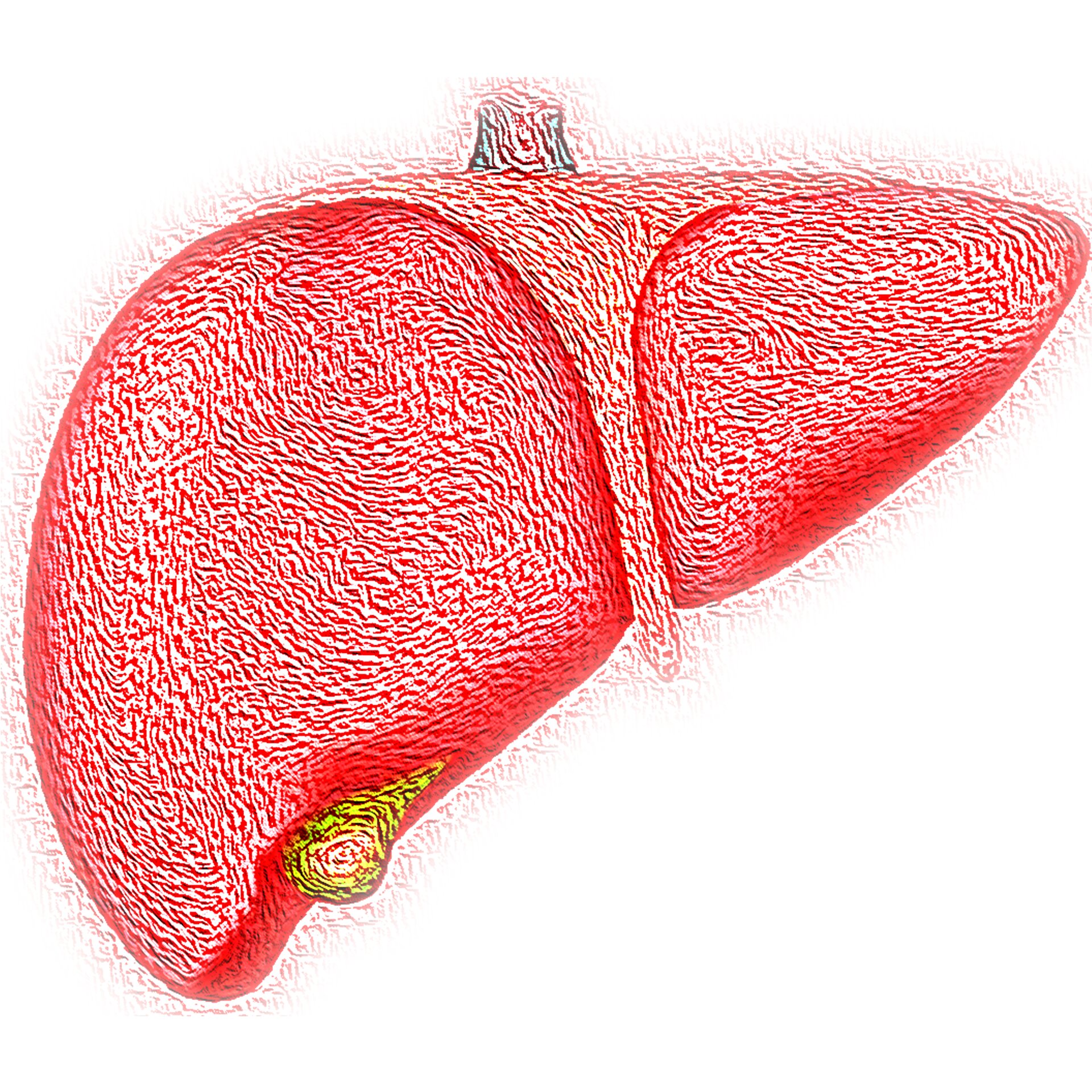
Researchers have identified a biological route by which high dietary cholesterol may weaken the liver’s ability to clear LDL cholesterol from the blood. The finding matters because UC San Diego says cholesterol-related heart disease remains the world’s leading cause of death, and some patients do not reach safe LDL levels or cannot tolerate current medicines.
The work, led by researchers at the University of California San Diego School of Medicine, was published in Nature under the title “Dietary cholesterol activates an Ral-dependent pathway driving LDLR turnover.” UC San Diego said the study used mice and human cells to trace a previously unknown mechanism affecting LDL receptors in the liver.
How the pathway affects LDL clearance
The liver is central to removing cholesterol from the bloodstream, according to UC San Diego. Liver cells use LDL receptors on their surface to bind LDL particles and bring them into the cell for processing.
UC San Diego said many cholesterol-lowering treatments, including statins and PCSK9 inhibitors, help by maintaining or increasing the number of these receptors. More receptors generally mean the liver can remove more LDL from the blood.
The Nature study found that high dietary cholesterol activates a protein called Ral, according to the university. The researchers reported that higher Ral activity was linked to fewer LDL receptors available on liver cells.
Alan Saltiel, senior author of the paper and a professor of medicine at UC San Diego School of Medicine, said scientists had long known that high-cholesterol diets reduce the liver’s cholesterol-clearing capacity, but the reason was incomplete. UC San Diego said the new work identifies a missing part of that process.
The researchers also tied the receptor loss to cathepsin A, an enzyme known as CTSA. In mice, UC San Diego said blocking CTSA with a small-molecule inhibitor stabilized LDL receptors and sharply reduced circulating LDL cholesterol.
An older drug candidate may get a new test
Saltiel said the pathway is separate from those targeted by existing cholesterol drugs, according to UC San Diego. That could make it relevant for patients who remain above target LDL levels despite available therapies or who have side effects from current options.
The university said a CTSA inhibitor already exists because it had been developed earlier as a possible heart failure treatment. That program was later shelved for strategic reasons, but the compound had reached a Phase I clinical trial and had been tested for safety in humans, according to UC San Diego.
UC San Diego said the finding suggests the investigational drug could be considered for a Phase II trial in people with high cholesterol. Saltiel said the team hopes to test whether the drug works for that purpose in a clinical trial.
The results do not establish that CTSA inhibition will lower LDL cholesterol in patients. The evidence reported by UC San Diego so far comes from laboratory work in human cells and animal experiments, plus earlier human safety testing of the drug candidate for a different condition.
If further trials support the approach, the Nature study points to a cholesterol-lowering strategy focused on preserving liver LDL receptors through a pathway distinct from current therapies, according to the researchers.
This story draws on original reporting from Medical Xpress.