
Film examines Sri Lanka’s deadly human-elephant conflict
Al Jazeera’s documentary follows rural families, farmers and conservationists confronting violent clashes between people and elephants.
By Lucas Ferreira · Science & Environment Writer
3 min read
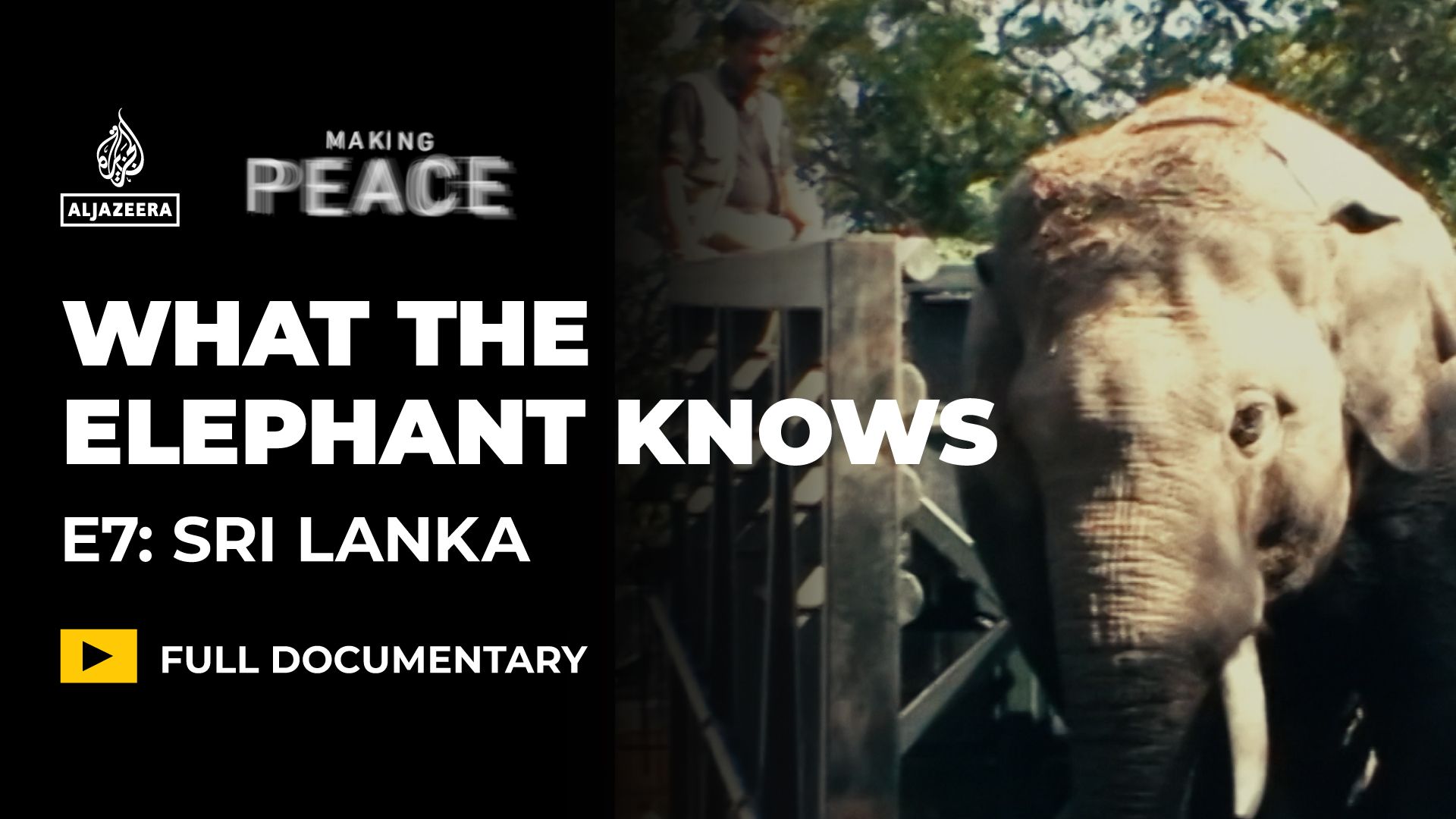
Al Jazeera has released a 24-minute documentary on Sri Lanka’s worsening conflict between rural communities and elephants, focusing on families who live with nightly danger and conservationists seeking ways to reduce the toll. The film matters because, according to Al Jazeera, people and elephants share nearly half of the country’s land, putting farms, homes and migration routes in direct contact.
The episode, titled “What The Elephant Knows | Ep 7 – Sri Lanka,” was published on June 24, 2026, and directed by Fatima Lianes. It portrays the conflict as a daily struggle in rural Sri Lanka, where expanding farmland cuts across long-used elephant paths and turns ordinary work into a high-risk routine.
Al Jazeera says the pressure has become increasingly violent on both sides. Families lose crops, houses and relatives, while elephants face aggression and die in the hundreds each year, according to the documentary’s summary.
The film follows Nishanti and her children, who are mourning the death of their husband and father. Al Jazeera presents their story alongside paddy farmers who stay awake at night to protect their fields from elephants.
Those accounts show how fear shapes village life, according to the film. Farmers guard the crops they depend on, while families live with the risk that an encounter with an elephant can turn fatal.
The documentary also describes a cycle of retaliation. Al Jazeera says both people and elephants suffer in the conflict, while only humans are able to speak publicly about their losses and fear.
Conservationists question existing responses
A conservationist identified as Pruthu argues in the film that current measures, including moving elephants from one area to another, do not solve the problem. According to Al Jazeera, he says translocation often transfers the danger elsewhere rather than addressing why elephants enter human settlements and farms.
Pruthu’s approach, as described by the documentary, starts with studying elephant behavior and needs. The film presents that understanding as central to any durable attempt at coexistence between communities and wildlife.
Al Jazeera also highlights education efforts aimed at younger people. The documentary says educators are trying to change attitudes toward elephants, suggesting that long-term coexistence will depend partly on how the next generation sees the animals.
The episode frames Sri Lanka as a test case for whether a country with heavy overlap between human settlement and elephant habitat can reduce deaths without abandoning rural livelihoods. Al Jazeera says the hope is fragile, with communities still exposed to danger and elephants still at risk from human retaliation.
The film ends its argument on coexistence rather than separation. According to Al Jazeera, the challenge is to find ways for people to farm and live safely while preserving elephants whose routes and habits increasingly collide with human expansion.
This story draws on original reporting from Al Jazeera.