
Testosterone combat readiness plan raises questions about evidence
Pete Hegseth wants testosterone checks for U.S. soldiers; Daniel Kelly says a blood test cannot measure combat performance.
By Tom Brennan · Health & Medicine Correspondent
3 min read
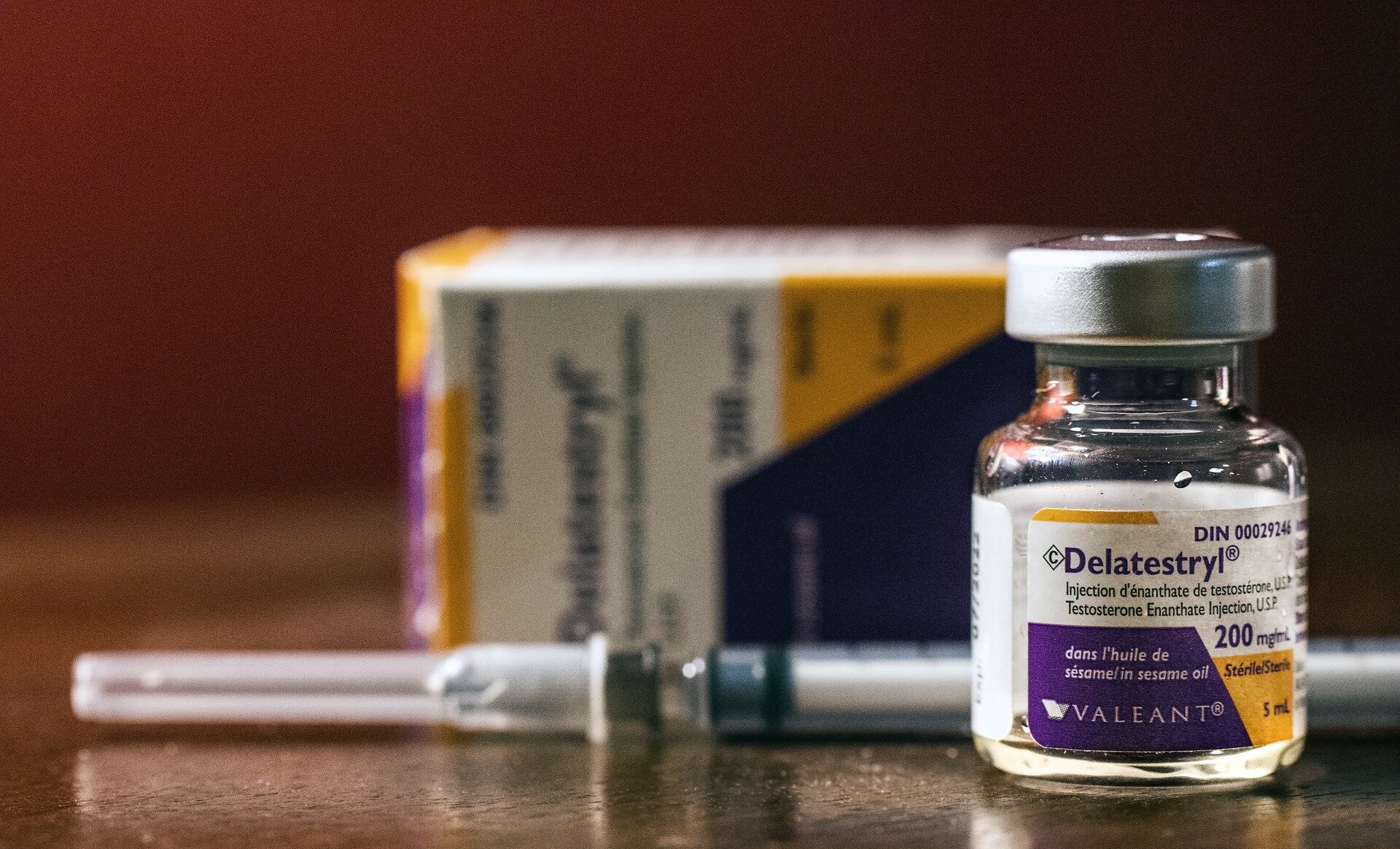
U.S. Defense Secretary Pete Hegseth’s plan to measure testosterone in U.S. soldiers has turned testosterone combat readiness into a medical and military debate. Hegseth said troops with low testosterone would be offered voluntary treatment, Daniel Kelly wrote in The Conversation, after Hegseth promised to help ensure soldiers have the “right testosterone levels” to perform at their best.
Kelly said testosterone can be a useful sign of men’s health, though it is not usually part of routine screening. The hormone is best known for its role in reproduction, but it also supports muscle, bone and metabolic health.
Large studies cited by Kelly have linked lower testosterone in men with higher rates of obesity, type 2 diabetes and heart disease. Men with lower levels were also more likely to become frail, report poorer quality of life and die earlier than men with levels considered normal, he wrote.
Does testosterone show if a soldier is combat ready?
Kelly said a testosterone test can show that something may have changed in the body, but it cannot by itself prove whether a person is fit for combat, needs treatment or would perform better if testosterone were raised. Combat performance depends on fitness, judgment, resilience, mental health and working conditions, as well as medical status.
Testosterone usually falls gradually as men age, Kelly wrote. In healthy men, that decline is often small and may not cause medical problems until later in life.
Larger drops are more often seen in men with obesity, type 2 diabetes and other chronic diseases, according to Kelly. He said the relationship can run in both directions: chronic illness may reduce testosterone, while testosterone deficiency may worsen metabolic and physical health.
That makes interpretation difficult. Kelly wrote that one man’s usual testosterone level may be lower than another’s, so comparing a soldier’s current result with his past results may be more useful than relying only on a broad population range.
Why military testing is complicated
Active-duty service members are generally healthier than the wider population, with lower rates of obesity and metabolic disease, Kelly wrote. Even so, military life can affect testosterone through prolonged training, limited recovery, disrupted sleep and psychological stress.
Kelly said the key question is why a soldier’s testosterone is low, rather than the number alone. If sleep loss, overtraining, stress or an underlying illness is driving the result, treating those causes may help more than raising hormone levels.
Any screening program would also have to account for women in the armed forces. Kelly wrote that testosterone matters for women too, but their levels are about 10 times lower than men’s and must be assessed with separate reference ranges and medical guidance.
What treatment can and cannot prove
For men with genuine testosterone deficiency, replacement therapy can improve lean muscle mass and bone density, and may improve some measures of strength, physical function and quality of life, Kelly wrote, citing clinical guidance. He said evidence remains weak that increasing testosterone above a person’s natural range improves performance in otherwise healthy men.
Kelly also pointed to concern among some experts that screening could make younger, healthy soldiers feel pressure to seek treatment after a low result, even without a clear medical reason. Hegseth has said treatment would remain voluntary.
The debate comes as testosterone therapy has been discussed more broadly in relation to aging, masculinity, performance and “optimization,” Kelly wrote. He noted that the U.S. Food and Drug Administration removed earlier warnings on testosterone drugs about heart disease and stroke risk after a landmark study, while more recent proposed label updates have focused on age-related decline and prostate health.
Kelly said those regulatory changes may reassure men who genuinely need treatment. They do not show that testosterone is a cure-all for health or performance, and medical decisions should be made by doctors looking at the whole person, not a single blood test.
This story draws on original reporting from Medical Xpress.