
Stomach positioning fails to show clear gain for infants with bronchiolitis
A French randomized trial found no statistically significant reduction in breathing support escalation among hospitalized infants placed prone.
By Tom Brennan · Health & Medicine Correspondent
2 min read
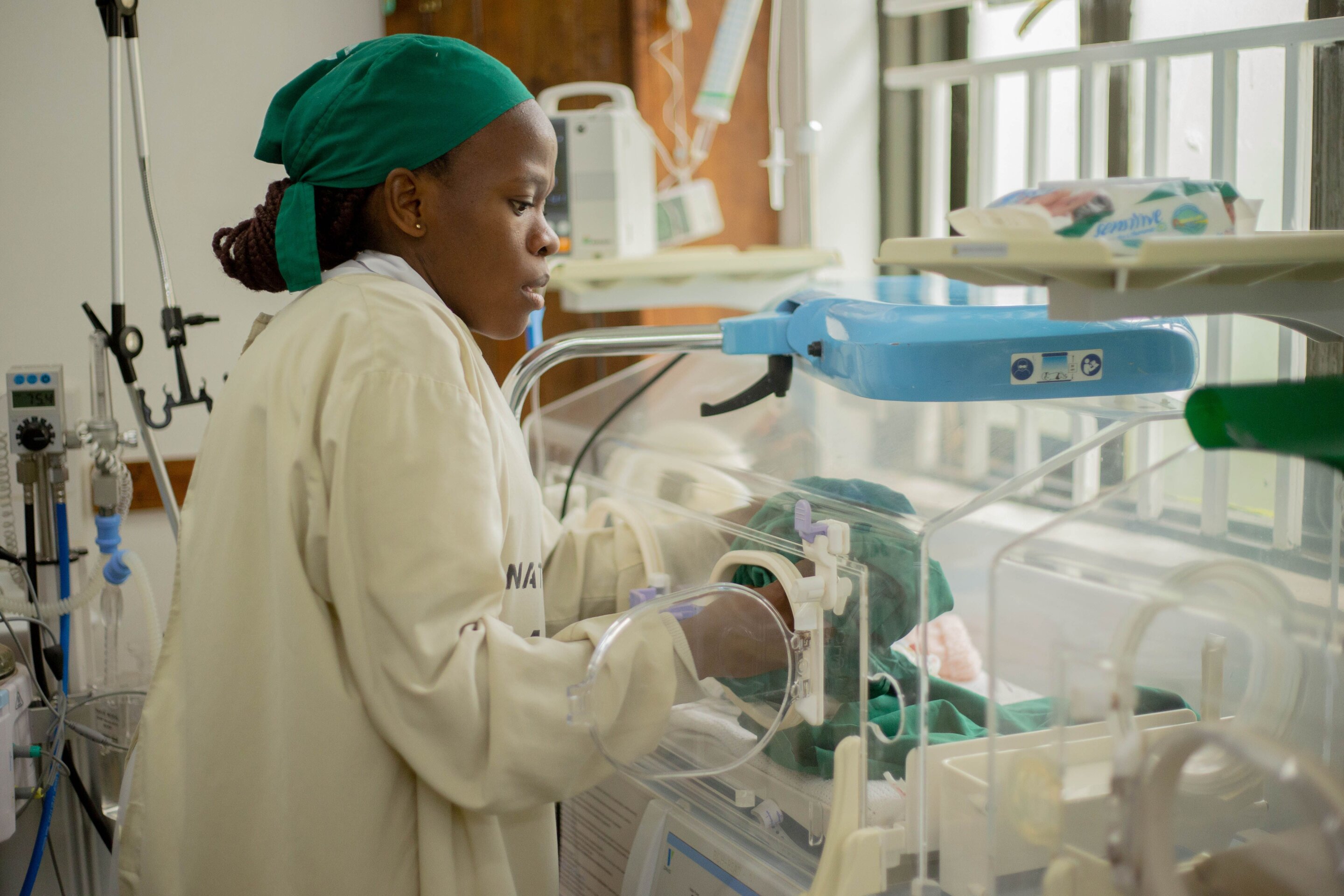
Putting hospitalized infants with bronchiolitis on their stomachs did not clearly reduce the need for stronger breathing support in a French randomized trial. The finding matters because bronchiolitis is a common reason babies are admitted to hospital, while proven treatment options remain limited.
The PROPOSITIS trial, published in JAMA, tested prone positioning in 451 infants aged 6 months or younger who were hospitalized with acute viral bronchiolitis and moderate to severe breathing distress. According to the study by Florent Baudin and colleagues, all infants were already receiving high-flow nasal cannula support.
Researchers enrolled babies across 15 pediatric intermediate care and intensive care units in France. Infants were randomly assigned either to lie on their stomachs for at least 24 hours during the first 48 hours of treatment or to remain on their backs, the usual hospital position described in the study.
The main question was whether prone positioning would lower the rate of escalation to noninvasive or invasive ventilation. According to the JAMA report, about 15% of infants in the prone group required escalated breathing support, compared with about 21% in the supine group.
That difference favored stomach positioning, but the researchers reported that it did not reach statistical significance. Overall, about 18% of infants in the trial needed more intensive respiratory support.
Prone positioning has a long history in respiratory care. Medical Xpress reported that the approach can improve oxygen exchange and help fluid drain by placing the chest downward, and that physicians used it more often during the COVID-19 pandemic for some patients who were not on ventilators. Adult studies in acute respiratory distress syndrome have also linked prone positioning with reduced lung stress and less time on ventilators, according to the report.
The infant trial showed practical limits. Baudin and colleagues reported that about 42% of babies assigned to the prone group were moved back onto their backs within 24 hours. Reasons included agitation, difficulty sleeping and excessive movement, with some breathing tubes accidentally pulled out.
The study also found more minor skin lesions among babies placed on their stomachs. The researchers described those events as not serious, according to Medical Xpress.
Bronchiolitis is an acute viral lung infection in infants and is distinct from bronchitis. Medical Xpress reported that it remains one of the leading causes of infant hospitalization in high-income countries, and that RSV and other viruses continue to pose risks for babies despite the recent introduction of nirsevimab against RSV.
Based on the PROPOSITIS results, the researchers said prone positioning cannot currently be recommended as routine treatment for all babies hospitalized with bronchiolitis. They called for further research before any change in standard care.
This story draws on original reporting from Medical Xpress.