
Lab-grown immune progenitors may enable off-the-shelf cancer therapy
Researchers report a way to expand and engineer immune progenitor cells that produced tumor-targeting macrophages in mouse studies.
By Tom Brennan · Health & Medicine Correspondent
3 min read
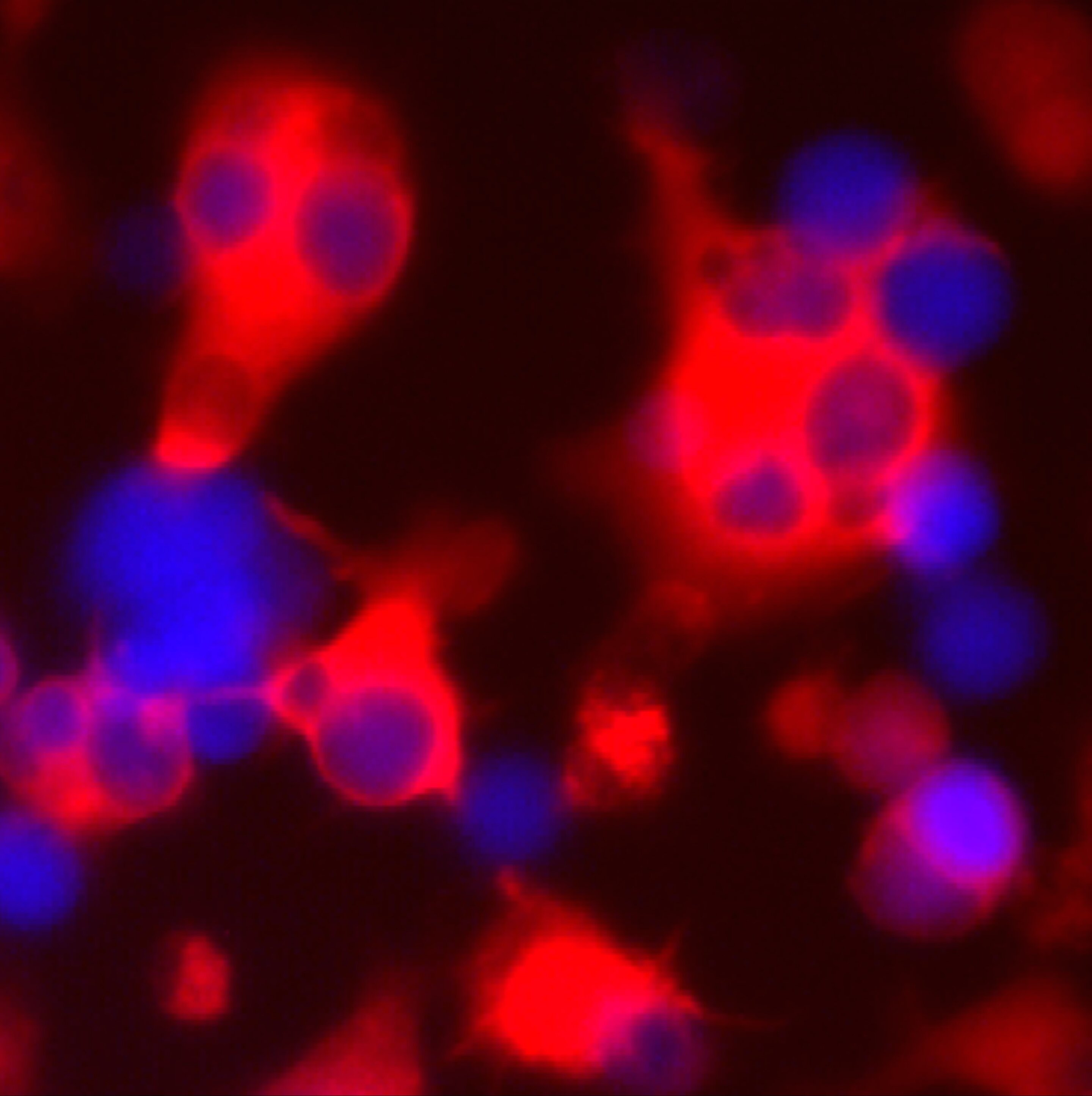
A USC Stem Cell-led research team has reported a laboratory method for producing large supplies of immune progenitor cells that can be engineered for cancer treatment. The findings, published in Cell, could help address manufacturing barriers that have limited macrophage-based immunotherapies, according to the Keck School of Medicine of USC.
The study focused on granulocyte-monocyte progenitors, or GMPs, which can develop into macrophages and related immune cells. The researchers reported that GMPs could be expanded for long periods in the lab, genetically modified and then used as a source of engineered immune cells in mouse experiments.
A different starting point for cell therapy
Macrophages are of interest in cancer immunotherapy because they can enter tumors, consume abnormal cells and help direct immune responses, according to the USC account of the work. The researchers said macrophage-based treatments may have particular relevance for solid tumors, while T-cell therapies have had their strongest results in blood cancers.
Mature macrophages remain difficult to turn into a therapy, the team reported. According to the researchers, they do not expand readily outside the body, can be hard to genetically alter, may be damaged by freezing and storage, and can collect in organs including the liver and lungs rather than spreading broadly.
First author Shi Yue of the Ying Lab and collaborators therefore worked with GMPs, an earlier developmental stage. Using a defined chemical mixture, the team said it kept the cells from maturing while allowing them to grow over time.
The researchers reported that the expanded GMPs retained their identity and their ability to generate functional macrophages and other immune cells. A Stanford University group led by Ravi Majeti also reproduced the long-term maintenance and genetic engineering of GMPs, according to the study summary from USC.
Engineered cells tested in mice
The team engineered mouse and human GMPs with chimeric antigen receptors, or CARs, designed to recognize markers on cancer cells. The researchers also added a signal intended to recruit nearby immune activity, including responses that activate tumor-fighting T cells.
According to the USC team, that added immune signal functioned even when donor and recipient cells were immunologically mismatched. The researchers said that feature raises the possibility of donor-derived treatments made in advance for multiple patients, rather than therapies built separately from each patient’s own cells.
In mouse studies, injected GMPs settled in bone marrow and other blood-forming sites, where they generated engineered macrophages and related immune cells, the team reported. The researchers said this replenishing behavior may help avoid the rapid loss of mature macrophage therapies that has limited earlier approaches, including in recent clinical trials.
In mice with blood cancer and solid tumors, GMPs carrying CARs slowed disease progression, according to the researchers. The team reported a stronger effect when the cells carried both the CAR and the immune-activating signal.
The study also examined a non-cancer use. In mice with chronic granulomatous disease, an inherited immune deficiency, the engineered GMP approach restored bacterial-fighting ability, according to the researchers.
Qi-Long Ying, corresponding author and a professor of stem cell biology and regenerative medicine at the Keck School of Medicine of USC, said the work supports a scalable GMP platform for cell therapy. The team said the findings also challenge the view that long-term self-renewal in the blood system belongs mainly to hematopoietic stem cells, because GMPs maintained self-renewal under the tested conditions.
This story draws on original reporting from Medical Xpress.