
Sparkling water teeth study finds less acidity than soda
A small Purdue study found unsweetened sparkling water lowered mouth pH less than sugary soda, with levels recovering within 20 minutes.
By Tom Brennan · Health & Medicine Correspondent
3 min read
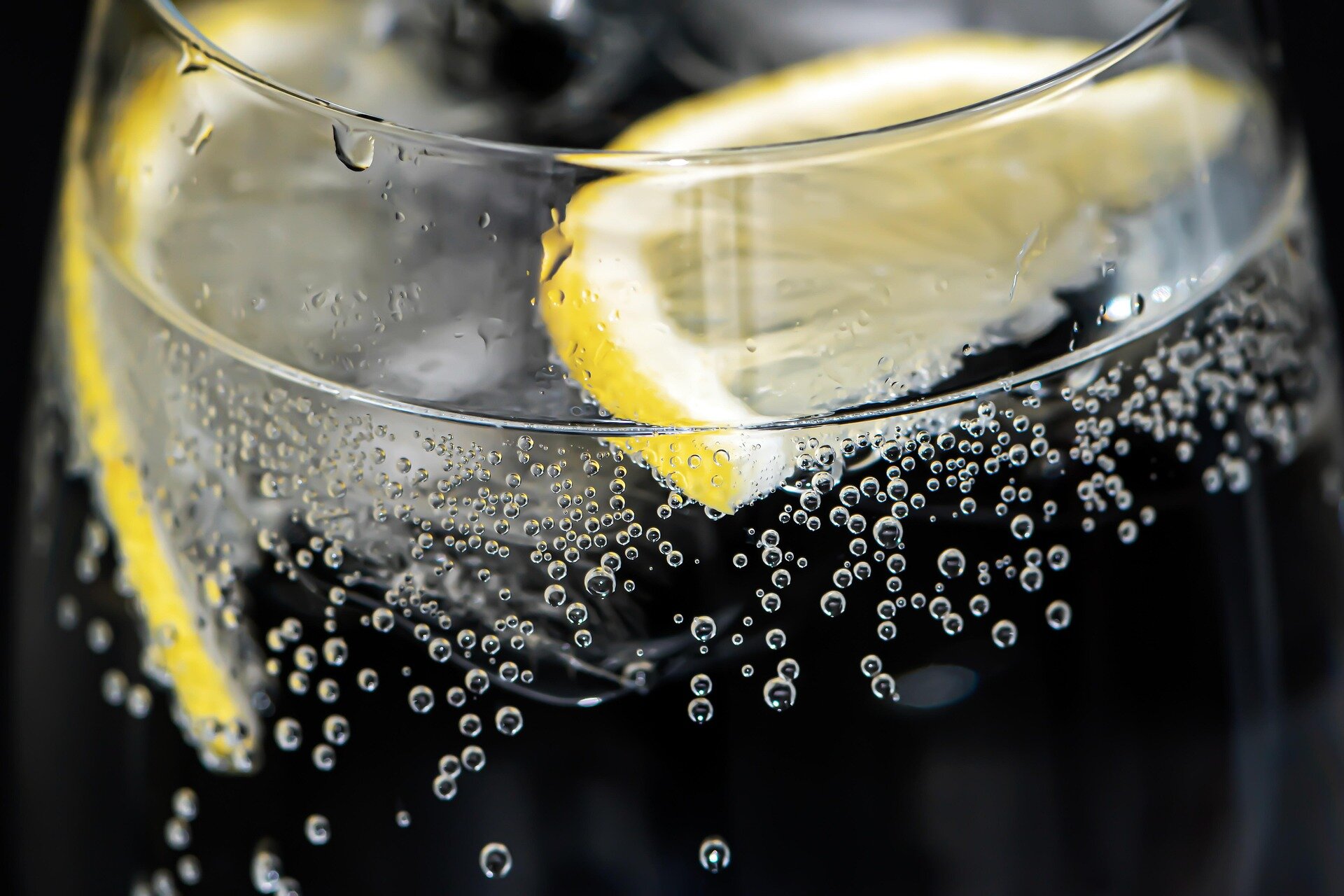
A new sparkling water teeth study suggests unsweetened fizzy water may pose less acid-related risk to enamel than sugar-sweetened soda. The American Society for Nutrition said the findings matter because many people are replacing soda with sparkling water but questions remain about how carbonation affects oral acidity.
The work was led by Wajiha Zulfiqar, a graduate student in nutrition science at Purdue University. Zulfiqar is scheduled to present the findings at NUTRITION 2026, the American Society for Nutrition’s annual meeting, held July 25-28 in National Harbor, Maryland.
According to the researchers, enamel starts to dissolve when the mouth’s pH falls below about 5.5. Prior studies have linked sugar-sweetened soda to dental erosion by pushing oral pH into that risky range, but the group said less was known about the effect of unsweetened sparkling water on saliva pH after drinking.
Is sparkling water better for teeth than soda?
In this study, sparkling water appeared less acidifying than sugar-sweetened soda, according to the researchers. The finding does not mean sparkling water has no dental effect; it means the short-term pH changes measured in the study were smaller and recovered quickly.
The researchers tested 20 adults and compared four drinks: sugar-sweetened soda, regular sparkling water, calcium-fortified sparkling water and plain water. The same participants consumed each beverage so the team could reduce differences between people that might otherwise affect the results, according to the American Society for Nutrition.
The researchers measured salivary pH in real time rather than relying only on the acidity of the drinks themselves. Zulfiqar said that approach gave the team a more realistic view of how the mouth responds after people drink soda, sparkling water or plain water.
Soda produced the strongest acid shift, according to the study. Saliva pH after soda was significantly lower than after water at both two minutes and 20 minutes after drinking.
Regular unsweetened sparkling water caused a short-lived drop in saliva pH at two minutes, the researchers found. Calcium-fortified sparkling water showed a drop at five minutes, and both sparkling waters returned close to baseline by 20 minutes.
The team also reported that saliva rapidly brought acidity back toward normal after both soda and sparkling water. In the measurements described by the researchers, pH stayed above the level associated with enamel damage.
What does this mean for people who drink sparkling water?
Zulfiqar said the results support the idea that switching from sugary soda to unsweetened sparkling water may reduce the risk of enamel erosion when people drink it in moderation and maintain good oral hygiene. The researchers also said beverage makers could explore formulas that lower the erosive potential of acidic drinks.
The study has limits. The researchers measured short-term changes in salivary pH, while real-world tooth erosion depends on how often someone drinks a beverage, how long teeth are exposed to it and whether it contains sugar.
The Purdue group plans to study longer-term effects of sparkling water on oral health, according to the American Society for Nutrition. That work is intended to examine whether sparkling water changes other parts of the mouth’s environment that contribute to healthy teeth.
This story draws on original reporting from Medical Xpress.