
SAMARTH study tracks South Asian dementia risk in the U.S.
Rutgers researchers are enrolling South Asian adults to study dementia risks that may differ from those seen in European ancestry populations.
By Tom Brennan · Health & Medicine Correspondent
3 min read
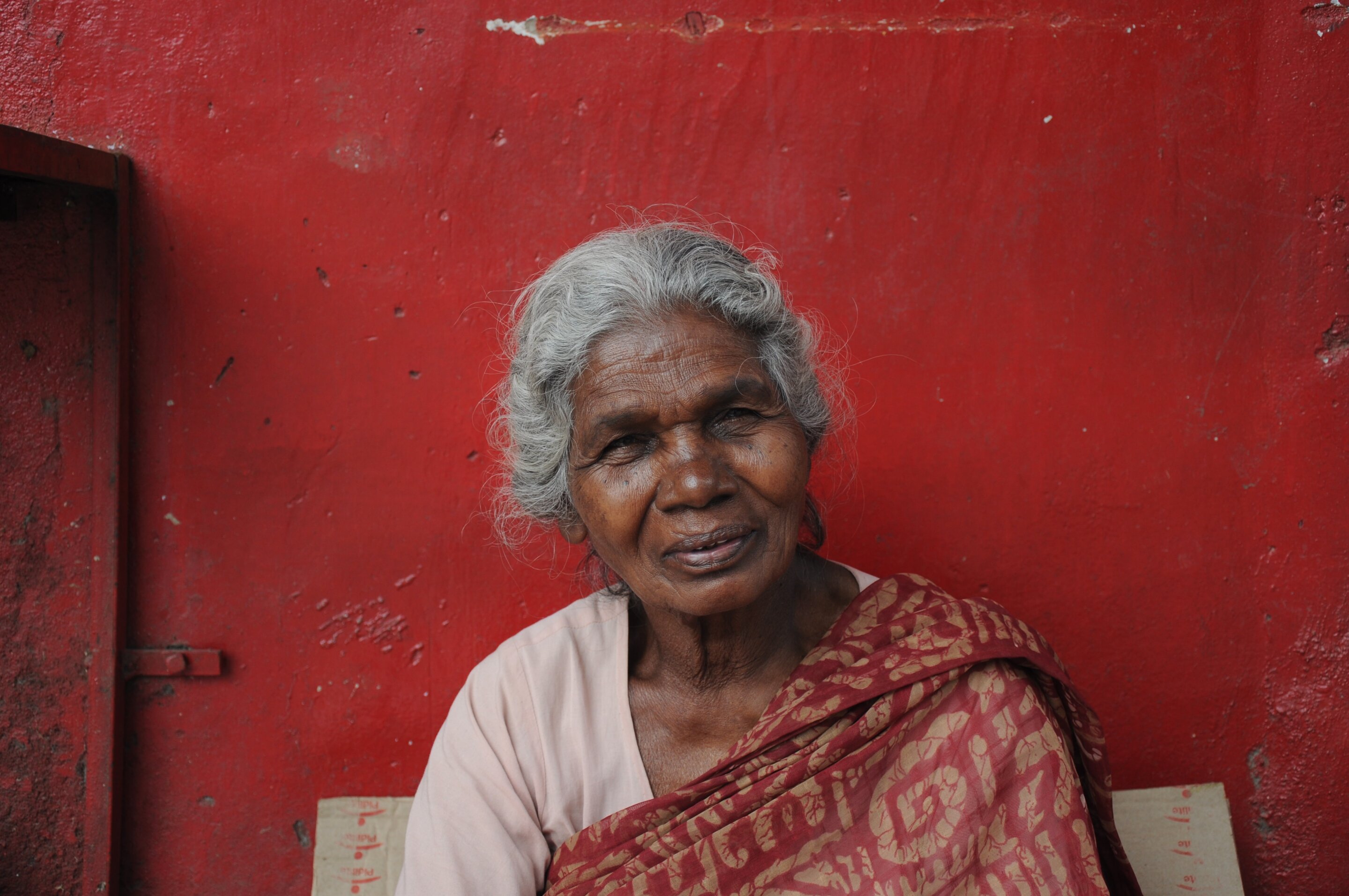
The SAMARTH study is tracking South Asian dementia risk in the United States, a gap Rutgers University researchers say has limited prevention and treatment information for this population. The project focuses on middle-aged adults because brain changes tied to Alzheimer’s disease and related dementias can begin decades before memory problems appear, according to Rutgers.
Researchers at the Krieger Klein Alzheimer’s Research Center within the Rutgers Brain Health Institute reviewed dementia prevalence and risk-factor studies from India spanning 2000 through 2025. Their findings were published in Alzheimer’s & Dementia and helped frame the South Asian Middle Age Risk Tracking for Brain Health study, known as SAMARTH.
Akankshi Oberoi, a researcher at the center and lead author of the review, said evidence indicates dementia risk factors in South Asians differ from those in non-Hispanic White and European ancestry populations. Rutgers said that difference creates a need for research designed around South Asian communities rather than applying findings from other groups.
What is the SAMARTH study?
SAMARTH is a Rutgers research project following South Asian Americans over time to identify changeable risks and protective factors for Alzheimer’s disease and related dementias. Rutgers describes it as the first U.S. research initiative dedicated to tracking brain health in South Asian Americans.
The study is enrolling 750 adults ages 45 to 70 in New Jersey and the surrounding region, which Rutgers described as home to the country’s largest South Asian community. Eligible participants are adults of South Asian origin from India, Pakistan, Bangladesh, Nepal, Sri Lanka, Afghanistan, Bhutan or the Maldives who are fluent in English.
Participants complete health and cognitive assessments every 18 months, Rutgers said. The study includes lifestyle surveys, cognitive and language testing, motor-function tasks, blood work, physical and neurological exams and brain imaging; participants receive up to $175 for their time. About 170 people have been recruited so far.
Which dementia risk factors stood out?
The Rutgers review compared studies from India with the 14 modifiable dementia risk factors identified by the 2024 Lancet Commission. The commission said addressing those factors together could prevent or delay up to 45% of dementia cases worldwide.
- Diabetes and metabolic disorders: Rutgers said South Asians often develop diabetes and related disorders earlier in life and sometimes at normal body weight. The review noted that diabetes is known to double or triple dementia risk.
- Education: The review found limited education accounts for 22% of modifiable dementia risk in India, compared with 8% worldwide. One study found dementia in 12.6% of adults with no schooling and 3.4% of those with a primary education.
- Vision and hearing: Rutgers said three in four Indian adults older than 50 have some vision impairment, and untreated vision loss accounts for an estimated 14% of dementia cases in India. Hearing loss affects 41% of adults in India and has been linked across studies to a 59% higher dementia risk and about twice the risk of Alzheimer’s disease.
- Physical activity and body weight: The review said 57% of Indian adults fall short of recommended activity levels, while as little as 35 minutes of physical activity a week has been linked to a 41% lower dementia risk. Rutgers also said being underweight and undernourished appears to raise dementia risk in India.
The review also found dementia is more common among women in India, as seen in Western countries, and more prevalent in rural areas, which researchers said is most likely tied to underdiagnosis of contributing risk factors. Rutgers researchers reported that dementia-linked genetic variants identified in European ancestry populations appear to play a more limited role among South Asians, raising the possibility of unknown genetic risks or a larger role for modifiable health and environmental factors.
Michal Schnaider Beeri, director of the Krieger Klein Alzheimer’s Research Center and leader of SAMARTH, said South Asians have been underrepresented in Alzheimer’s research, leaving fewer tailored treatment and prevention options. Rutgers said volunteers can fill out a screening form, call 848-932-8415 or email [email protected] for more information.
This story draws on original reporting from Medical Xpress.