
Smart wound dressing heals wounds faster in early tissue tests
Imperial researchers report a force-triggered dressing improved repair in mouse wounds and human skin tissue, pointing to a new wound-care route.
By Tom Brennan · Health & Medicine Correspondent
3 min read
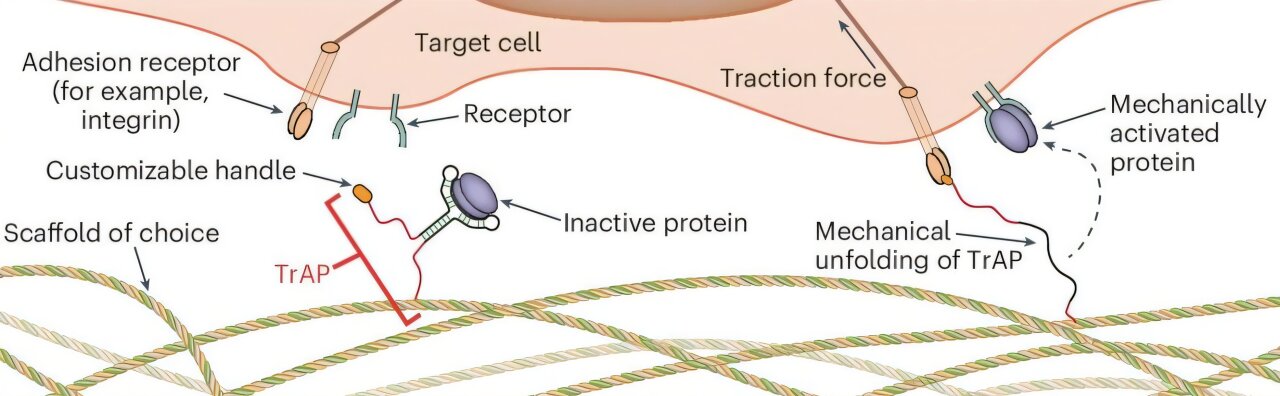
An Imperial College London team says a smart wound dressing heals wounds faster by using repair signals already present in the body. The finding matters because chronic and severe wounds, including diabetic foot ulcers, burns and traumatic injuries, can leave patients exposed to pain and infection while adding major costs to health systems.
The research, published in Nature Materials, describes a bioinspired material that captures healing proteins and releases them only when repair cells pull on the dressing. Imperial said the work is the first demonstration that this force-activated method can function in living, repairing tissue.
How does the smart wound dressing work?
Imperial researchers said the material collects growth factors, the proteins that help direct cells to move, multiply, build blood vessels and restore tissue. The proteins stay held in the dressing until a repair cell moves into the wound area and applies physical force.
That pulling action triggers the material to release the proteins at the cell’s location, according to the study. The idea is to deliver the signal at the point where repair is underway, rather than adding high doses of growth-factor drugs that may break down quickly or leave the wound before they act.
The team said the system worked at doses hundreds to thousands of times lower than standard growth-factor delivery methods, and more than 2,000 times lower than a clinical growth-factor product. Imperial said the approach may eventually reduce dependence on manufactured drugs by using proteins taken from a patient’s wound or blood.
What did the tests show?
The researchers tested the material in several models designed to move closer to real tissue conditions than earlier cell-culture work. Imperial said the project builds on a 2019 finding from the same institution that had shown the concept in simpler laboratory cultures.
- In rat bone injuries, the material supported the formation of new blood vessels, according to the researchers.
- In living human skin kept in the laboratory, tissue grew into the material more quickly, Imperial said.
- In mouse skin wounds, treated wounds were much smaller after 10 days, according to the study.
Across those experiments, materials that could not be activated by cell pulling did not produce the same effects, the researchers reported. Dr. Magdalene Ho of Imperial’s Department of Bioengineering, the study’s lead author, said the result in living human skin strengthened the team’s view that the technology could have clinical potential.
Dr. Ben Almquist, an associate professor of bioengineering at Imperial and senior author of the study, said the material is designed to use the patient’s own biology rather than relying on a manufactured drug to remain active in the wound. He said the key trigger is the mechanical force generated when a cell pulls on its surroundings.
Shehan Hettiaratchy, professor of practice in plastic and reconstructive surgery at Imperial, was not involved in the research. He said the technology could help the body resume repair in wounds that are failing to heal and could also support acute wounds from trauma or accidents.
Could this change wound care?
Imperial said the dressing could be useful where advanced wound treatments are difficult to store, transport or afford, including emergency medicine, humanitarian care, frontline services and lower-resource health systems. Because the dressing can use repair proteins from blood or the wound itself, the researchers said it may reduce the need for cold storage linked to manufactured protein drugs.
The technology is being developed as an Imperial spinout opportunity called Traxion Biotech. Imperial said Ho and Almquist are leading the company, with Hettiaratchy serving as a medical adviser, and that the group is speaking with partners and health care professionals about clinical use.
This story draws on original reporting from Medical Xpress.