
Silver diamine fluoride cavities study backs drill-free care for kids
A Phase III trial in young children found 38% silver diamine fluoride stopped decay in more than half of affected baby teeth.
By Tom Brennan · Health & Medicine Correspondent
3 min read
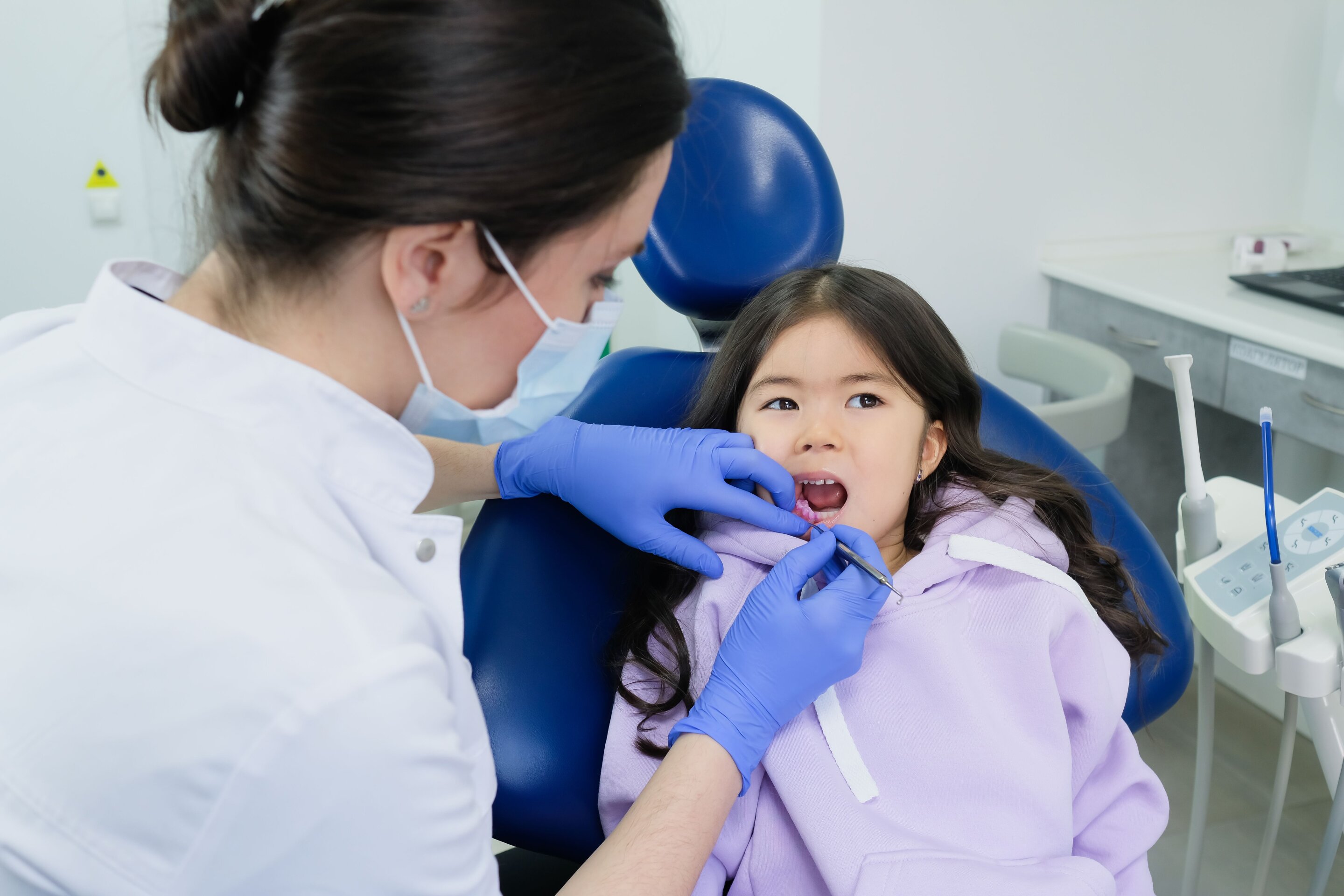
A large U.S. trial of silver diamine fluoride cavities treatment found the liquid can stop tooth decay in many young children without injections, drilling or sedation. The University of Michigan-led study matters because untreated cavities send many children into pain, infection and emergency visits, where doctors often cannot provide definitive dental care.
The Phase III randomized clinical trial, published in JAMA Pediatrics, enrolled 830 children younger than 6. According to the University of Michigan, participants were recruited through dental offices, pediatric medical practices, Head Start and Early Head Start programs in Michigan, New York and Iowa.
Researchers reported that 38% silver diamine fluoride stopped decay in more than half of the affected baby teeth when applied every six months. The treatment is painted onto a cavity with a small sponge-tipped applicator and takes only seconds per tooth, unlike a conventional filling that requires removing part of the tooth.
What is silver diamine fluoride for cavities?
Silver diamine fluoride, known as SDF, is a low-cost liquid used to arrest tooth decay. Dentists in several countries have used it for years, and U.S. dentists have used it off-label for cavities since 2014, when it was cleared as a medical device for tooth sensitivity, according to the University of Michigan.
The new trial addresses a gap that has limited broader U.S. use: large domestic clinical data on safety and effectiveness for treating cavities. Margherita Fontana, a dentistry professor at the University of Michigan School of Dentistry and the study’s lead investigator, said the findings show the treatment is safe and effective, including for children as young as 1.
Tooth decay is the most common chronic disease in childhood and affects more than 40% of U.S. children, according to the University of Michigan. Untreated cavities can lead to pain, infection, trouble eating and sleeping, missed school and repeated medical visits.
Who could benefit from the treatment?
Fontana said SDF may be useful for very young children, older adults, people with developmental or physical disabilities, patients with severe dental anxiety and people who have trouble getting or tolerating standard dental care. For some children, repeated SDF applications may control decay until the baby tooth falls out naturally.
For adults, the treatment may be used longer term or as a temporary option before a restorative procedure becomes possible or affordable, according to Fontana. The main trade-off is appearance: the silver in SDF permanently darkens the decayed part of the tooth.
The study began in 2018 and continued through the COVID-19 pandemic. University of Michigan researchers worked with colleagues from New York University, the University of Iowa, Indiana University and the National Institute of Dental and Craniofacial Research.
The product tested, Advantage Arrest 38% SDF, was supplied by Elevate Oral Care. The University of Michigan said the trial provides clinical data the manufacturer needs for a drug application to the U.S. Food and Drug Administration for dental caries treatment.
Amr Moursi, a professor of pediatric dentistry at New York University College of Dentistry and a co-principal investigator, said the results support FDA approval of SDF for managing tooth decay in young children. He said ending its off-label status could encourage more providers to use it, improve insurance payment and support more consistent product quality.
This story draws on original reporting from Medical Xpress.