
PROTEXI cancer vaccine uses COVID immune memory in preclinical study
A Nature Communications study reports preclinical results for PROTEXI, a vaccine platform that redirects COVID immune memory against tumors.
By Tom Brennan · Health & Medicine Correspondent
3 min read
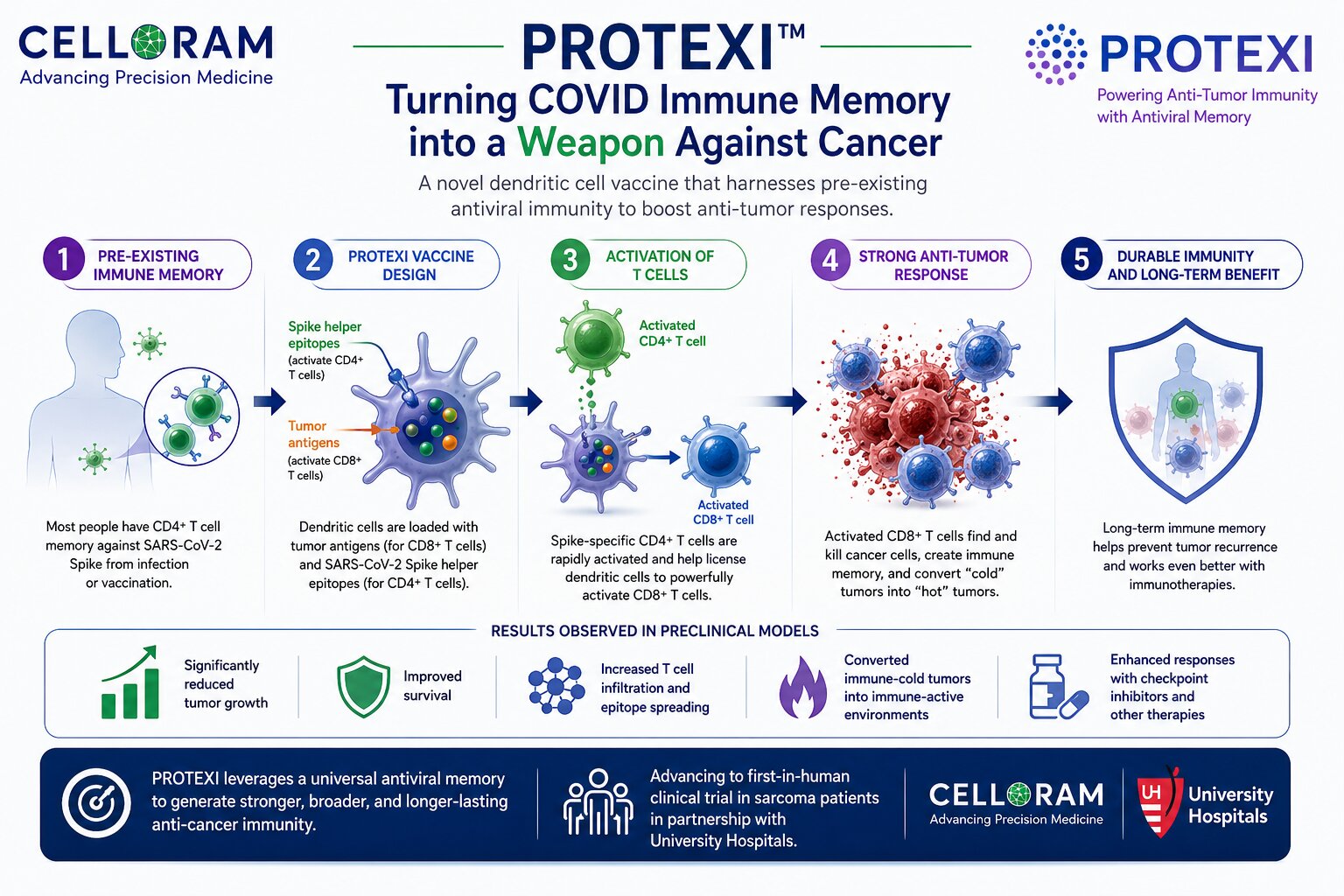
The PROTEXI cancer vaccine slowed tumor growth and improved survival in preclinical models by using immune memory created by prior SARS-CoV-2 infection or vaccination, according to researchers from Celloram Inc., University Hospitals and Case Western Reserve University. The work matters because many cancer vaccines have struggled to produce strong, lasting immune responses, especially against tumors that avoid immune detection.
The study, published in Nature Communications, describes PROTEXI as a dendritic cell vaccine platform. The researchers designed it to pair tumor-specific antigens with helper signals from SARS-CoV-2 spike protein epitopes, which are small fragments recognized by immune systems previously exposed to the virus or vaccines.
What is the PROTEXI cancer vaccine?
PROTEXI is a personalized dendritic cell-based vaccine approach meant to strengthen the immune system’s attack on cancer. In the study, it used pre-existing antiviral CD4⁺ helper T-cell immunity to boost tumor-specific CD8⁺ cytotoxic T-cell responses and support longer-lasting antitumor memory.
Celloram Chief Executive Dr. Tej Pareek said the platform is based on using immune memories already present in many people rather than trying to create an entirely new immune response from the beginning. Pareek said Celloram is working with University Hospitals to move the platform toward first-in-human testing in sarcoma patients.
How did PROTEXI perform in preclinical testing?
In mouse models of melanoma and breast cancer, PROTEXI reduced tumor burden, slowed tumor growth and improved survival, according to the study. The researchers also reported that it made tumors that typically resist immune attack more recognizable to the immune system.
The vaccine produced lasting immune memory in the preclinical experiments, which the researchers said may be relevant to recurrence prevention. Its activity also improved when used with other immunotherapies, according to the study.
The findings extended to humanized mouse models that used immune cells from COVID-19-vaccinated donors. The researchers said those results support the idea that immune memory from SARS-CoV-2 vaccination can be redirected to assist antitumor responses, though the platform has not yet been tested in patients.
Why are researchers focusing on immune-cold tumors?
Immune-cold tumors are cancers that escape immune recognition and often respond poorly to existing immunotherapies. The study frames PROTEXI as an attempt to turn those tumors into targets the immune system can detect and attack more effectively.
Dr. Seunghwan Lim, Celloram’s vice president of research and operations and a corresponding author, said the preclinical data showed stronger tumor-specific immune activity, changes in the tumor microenvironment and expanded immune memory. Dr. John Letterio of University Hospitals Rainbow Babies & Children’s Hospital and the Case Comprehensive Cancer Center said the results provide a scientific basis for human studies in sarcoma.
What happens next?
Celloram and University Hospitals Cleveland Medical Center are advancing PROTEXI toward a first-in-human clinical trial in sarcoma. The planned study will assess safety, feasibility and immune activity of the personalized dendritic cell vaccine approach.
The researchers said more clinical studies are needed before PROTEXI can be considered a treatment option. They also said the platform could have broader potential across immune-cold and therapy-resistant cancers if the approach proves safe and effective in humans.
This story draws on original reporting from Medical Xpress.