
Preeclampsia therapeutic targets emerge in UCL-led cell study
UCL-led researchers found stressed placental cells, faulty blood vessel remodeling and immune activity may help drive severe preeclampsia.
By Tom Brennan · Health & Medicine Correspondent
3 min read
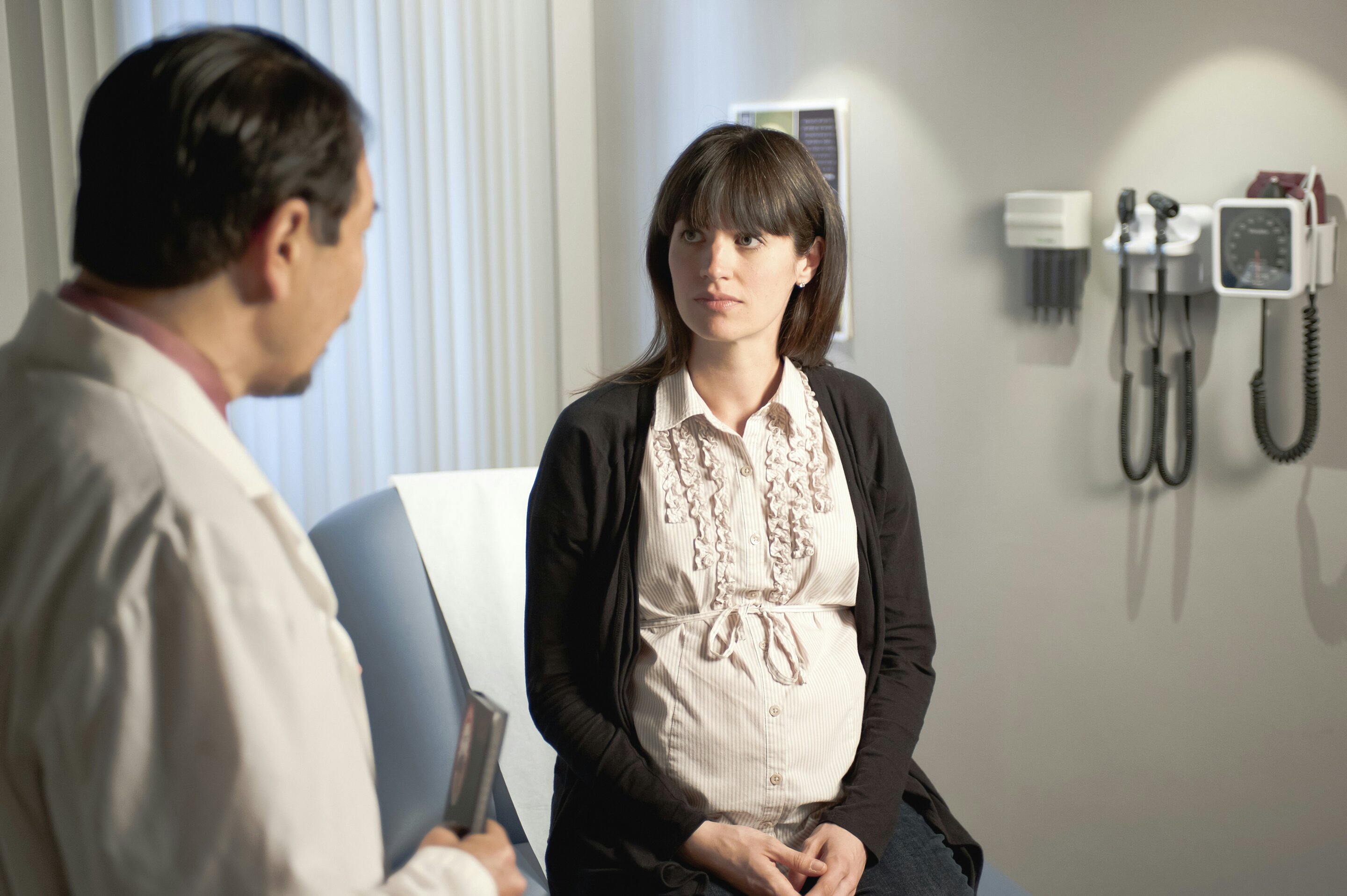
A UCL-led study has identified possible preeclampsia therapeutic targets by mapping how maternal and fetal cells behave in severe cases of the pregnancy complication. The findings matter because preeclampsia has no cure and is a major cause of maternal and fetal death, affecting 2% to 4% of pregnancies worldwide, according to University College London.
The research, published in Science Advances, points to a combination of stressed placental cells, blood vessel problems and an overactive immune response. UCL said the work expands beyond earlier research that centered mainly on the placenta by also examining nearby tissues where cells from the mother and developing baby meet.
What did the preeclampsia study find?
Researchers from UCL and University College London Hospitals studied 20 pregnant women recruited at UCLH, including 10 with severe preeclampsia and 10 without the condition. They used genomic testing to examine individual cells in the placenta, the myometrium and the chorioamniotic membranes.
The team compared cells from healthy and preeclamptic pregnancies at different gestational ages. UCL said the researchers used technology that allowed them to read genetic information from thousands of single cells, identify what those cells were doing, locate them in tissue and assemble a detailed view of pregnancy biology.
In severe preeclampsia cases where babies were born before 37 weeks during the third trimester, placental cells showed signs of stress and low oxygen, according to the study. The cells also appeared to use energy abnormally.
The researchers also found that some cells involved in reshaping the mother’s blood vessels were not functioning as expected. UCL said that problem may affect blood flow to the baby.
Another finding was immune activity beyond the placenta. The study reported signs of an overactive immune response in nearby tissues and in the mother’s blood, which UCL said may help explain why preeclampsia can affect the whole body.
What is preeclampsia?
Preeclampsia is a pregnancy condition in which the mother’s blood pressure becomes too high. UCL said it can affect blood flow to the baby and can cause swelling, headaches, blurred vision and pain under the ribs.
If untreated, the condition can harm the mother, slow the baby’s growth and become life-threatening in severe cases, according to UCL. There is currently no cure.
Why the findings could matter for treatment
Senior author Professor Sara Hillman of the UCL EGA Institute for Women’s Health said the team studied individual cells from the mother and baby to compare activity in healthy pregnancies and preeclampsia. She said the approach confirmed some suspected changes and uncovered new ones.
Co-lead author Dr. Yara Sanchez Corrales of the UCL Great Ormond Street Institute of Child Health said the findings identify biological processes that treatments could potentially target. She said earlier action in pregnancy, particularly in more severe early-onset cases, could improve outcomes and reduce risks linked to severe preeclampsia.
Co-lead author Theodoros Xenakis, also at the UCL Great Ormond Street Institute of Child Health, said future research with more participants and more precise methods may provide a clearer picture of biological changes tied to the disease.
The researchers noted a limitation: the number of donors was small, making it harder to detect subtle gene changes in rare cell types. They said larger studies using higher-resolution methods may reveal more detailed disease-linked changes.
This story draws on original reporting from Medical Xpress.