
Post-pandemic sleep issues persisted after lockdowns, study finds
A UK biobank study found poor sleep and fatigue remained after lockdowns, pointing to sleep checks for people with long COVID symptoms.
By Tom Brennan · Health & Medicine Correspondent
3 min read
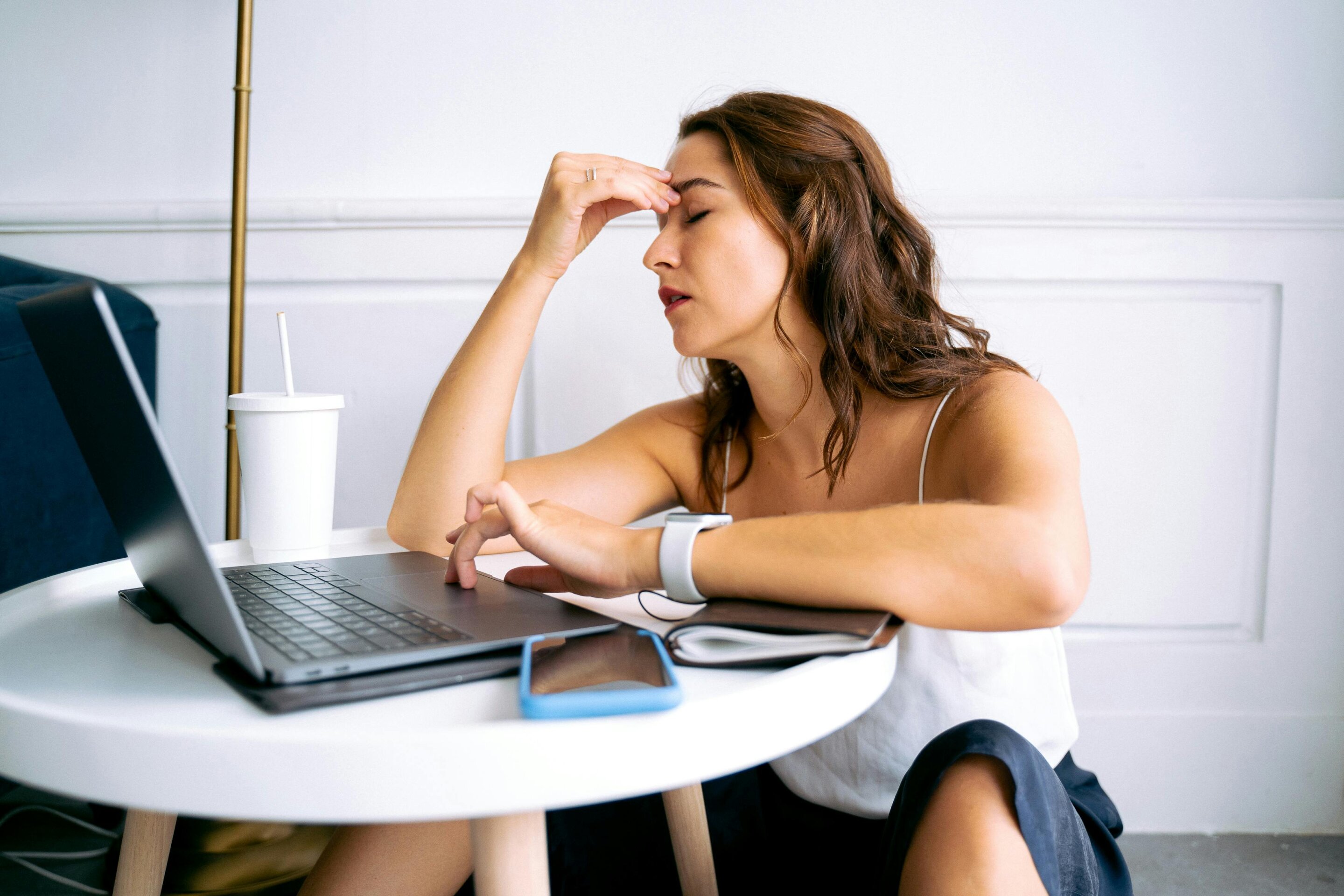
Post-pandemic sleep issues and fatigue remained common after UK lockdowns ended, according to researchers from King’s College London and Flinders University. The finding matters for people with persistent tiredness, including those with post-COVID syndrome, because the researchers say sleep problems may be one treatable contributor.
The study, published in the Journal of Sleep Research, used data from the UK COVID Symptom Study Biobank. The research team described it as one of the first large longitudinal studies to assess continuing sleep and related mental health problems after the early pandemic period.
The researchers had previously studied sleep disturbance and fatigue after the 2021 UK lockdown and found very high levels across the community. In the new analysis, the same group was assessed again after restrictions were lifted in 2022.
Questionnaire responses from 2,390 people covered sleep, fatigue, depression and anxiety, according to King’s College London. After the researchers adjusted for other factors, poor sleep and fatigue remained at high levels regardless of whether people had reported a SARS-CoV-2 infection or post-COVID syndrome.
Why are post-pandemic sleep issues still happening?
The King’s College London and Flinders University team said sleep disruption and anxiety may continue after the pandemic because of COVID-19 itself or because of the stress and anxiety linked to the pandemic period. They also said those problems may contribute to fatigue, the symptom most often reported by people with post-COVID syndrome.
Emma Duncan, professor of clinical endocrinology at King’s College London and a co-senior author, said the data showed poor sleep and fatigue established during lockdowns continued after restrictions ended. She said the pattern matched findings from other countries that tied the pandemic experience itself to widespread sleep disturbance.
Sutapa Mukherjee, professor in respiratory and sleep medicine at Flinders University and a co-senior author, said clinical experience before the pandemic showed sleep disturbance often does not resolve without intervention. The researchers recommended routine sleep assessment for people with lasting post-pandemic fatigue, including people with long COVID symptoms.
What does this mean for long COVID recovery?
Post-COVID syndrome, also called long COVID, refers to persistent symptoms after COVID-19 infection; the study specifically discusses symptoms continuing after confirmed or suspected infection. The Office for National Statistics estimated that 1.9 million people in the UK had self-reported long COVID symptoms for more than four weeks after confirmed or suspected infection, according to the report cited by the researchers.
The research team said sleep disturbance can affect health in several ways, including reduced immunity, increased inflammation, and effects on mood, cognition and depression. Those consequences give clinicians a reason to ask about sleep when patients report ongoing fatigue, the researchers said.
Barbara Toson, a Flinders University research fellow and co-author, said the study challenges the assumption that sleep returns to normal after a major disruption ends. She said the findings support greater attention to sleep health as part of post-pandemic recovery.
The researchers concluded that if sleep disturbance is adding to fatigue in an individual with post-COVID syndrome, established therapeutic approaches for sleep problems may help recovery. They did not report that sleep treatment would resolve all long COVID symptoms, but they argued it could be a meaningful part of care for some patients.
This story draws on original reporting from Medical Xpress.