
Researcher urges placenta choices be added to birth planning
Sarah Esegbona-Adeigbe says discussing placenta disposal during pregnancy could prevent distress and help families handle safety rules.
By Tom Brennan · Health & Medicine Correspondent
3 min read
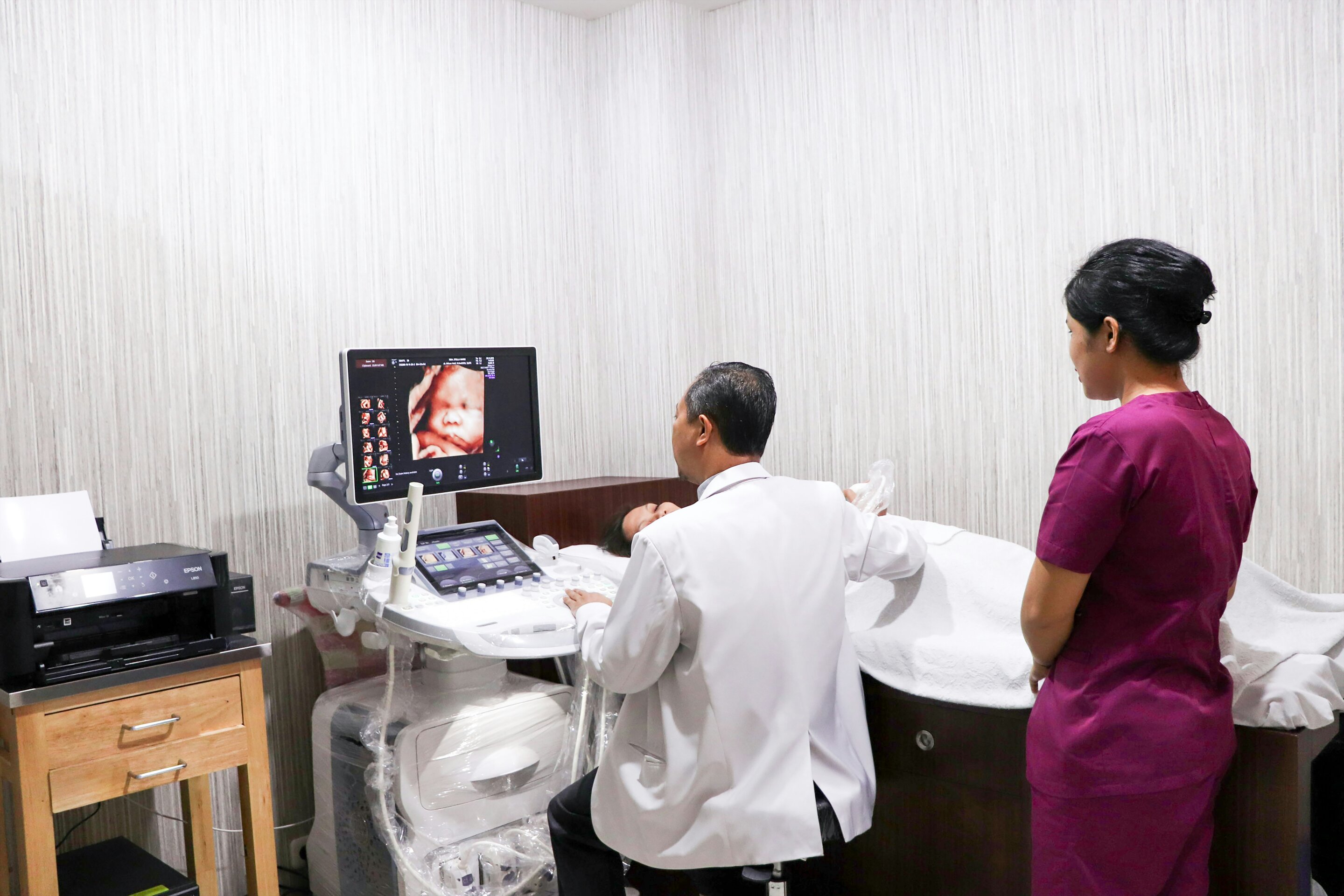
A researcher is urging maternity teams to ask pregnant women before birth what they want done with the placenta. Sarah Esegbona-Adeigbe wrote in The Conversation that early discussion could prevent distress for families who attach cultural, spiritual or personal meaning to the organ, while also allowing staff to explain clinical and safety limits.
Esegbona-Adeigbe said the placenta is closely monitored during pregnancy because it supports the baby, yet after delivery it is often treated mainly as something to discard. She argued that a short conversation during antenatal care could make clear whether a mother wants the placenta kept, tested, taken home, buried or disposed of by the hospital.
Cultural meaning and missed conversations
The placenta is a temporary organ that forms in the uterus, connects to the baby through the umbilical cord and helps transfer oxygen, nutrients and hormones while removing waste, according to NHS information cited by Esegbona-Adeigbe.
In many communities, she wrote, the placenta has significance beyond its medical role. A review of Indigenous placenta practices cited in her commentary found that rituals around the placenta can hold special meaning for women and families. In Niger, researchers have described it as a “traveling companion” linked to the baby’s passage from one world to another.
Esegbona-Adeigbe said burial is common in some traditions, with families sometimes choosing a home or ancestral land. She wrote that such practices may be tied to beliefs about the child’s protection, future well-being or the mother’s fertility.
Her doctoral research on migrant Nigerian mothers’ experiences of antenatal care in the U.K. included a mother who wanted to bury her placenta, as she had after previous births. Esegbona-Adeigbe wrote that the woman did not feel able to raise the issue while adjusting to a new maternity system, and the placenta was discarded without discussion. The participant later said staff should have asked her, and described grief over the loss.
Safety rules and clinical needs
Practices differ across U.K. maternity services, according to Esegbona-Adeigbe. Royal Berkshire NHS Foundation Trust tells patients that a placenta may be stored for 48 hours in case testing is required, then either released to the family or disposed of as clinical waste and incinerated.
Other NHS guidance cited by Esegbona-Adeigbe gives advice on safe storage, transport and burial on private land, and warns against burial in public spaces. She wrote that these precautions matter because placentas can deteriorate quickly and may pose infection risks.
Hospitals may also need to keep a placenta in some circumstances. Guidance from the Royal College of Pathologists cited in the commentary says examination or testing may be needed after complications such as suspected infection, preterm birth or fetal growth restriction. Esegbona-Adeigbe wrote that infection or blood-borne viruses may also require hospital disposal.
Some people choose to consume the placenta in capsules or smoothies, Esegbona-Adeigbe wrote, based on beliefs about recovery, mood, energy or milk supply. She said women considering that option should receive evidence-based advice, including information about infection risks identified by the U.S. Centers for Disease Control and Prevention.
Esegbona-Adeigbe proposed adding a question about placenta preferences to birth planning, alongside existing discussions about labor, pain relief, feeding and immediate newborn care. She said asking in pregnancy would give staff time to explain what is possible and what may be ruled out for medical reasons.
Her central recommendation is brief: ask women about the placenta, explain the clinical and safety issues, and respect their choice where possible.
This story draws on original reporting from Medical Xpress.