
Nanocarrier drug combo primes immune attack on lung tumors in mice
University of Arizona researchers report a lipid-based paclitaxel and siRNA package slowed tumors and improved PD-1 immunotherapy response in preclinical tests.
By Tom Brennan · Health & Medicine Correspondent
3 min read
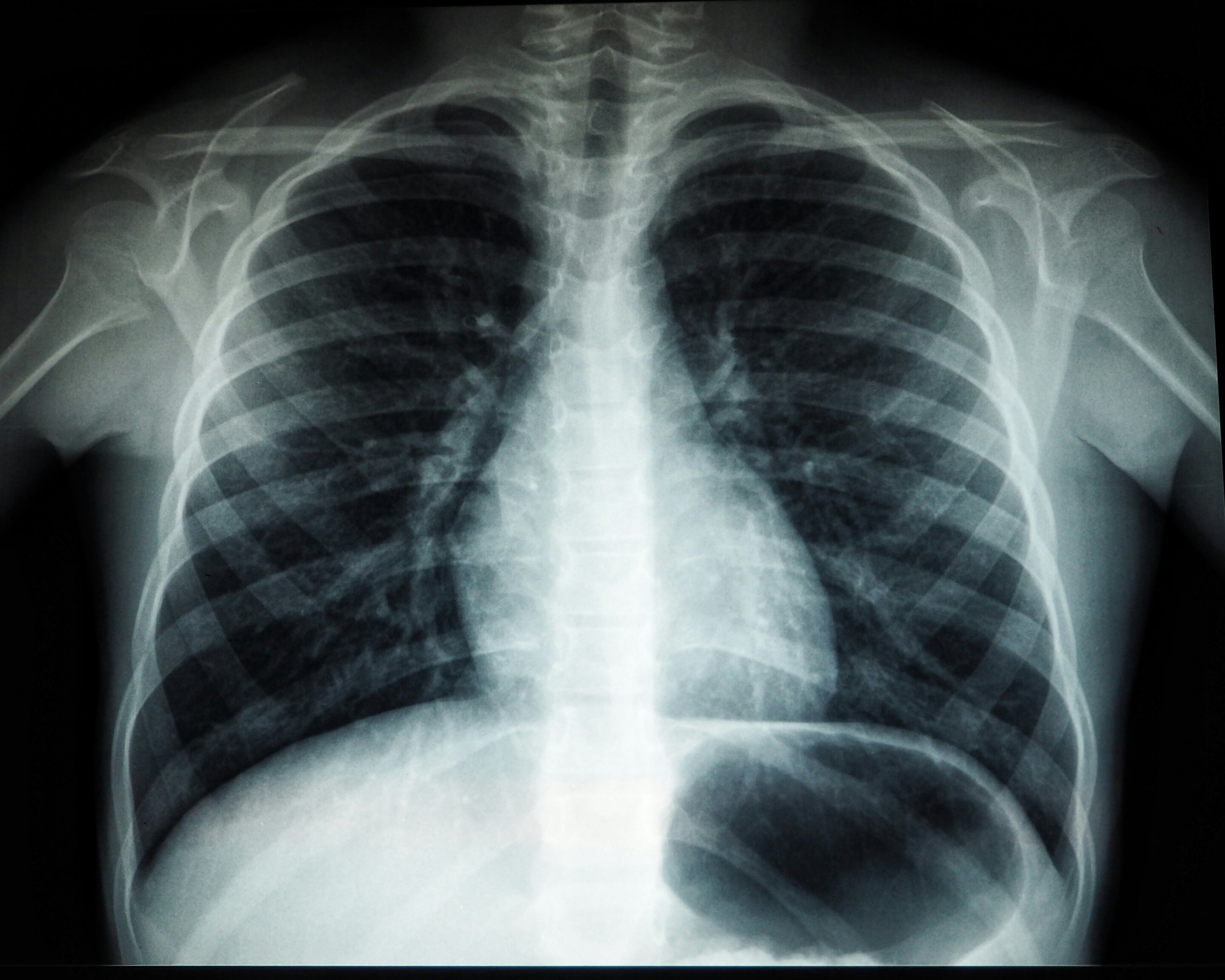
University of Arizona researchers say a lipid nanocarrier that delivers chemotherapy and gene-silencing RNA together helped the immune system attack lung cancer tumors in preclinical studies. The work matters because the strategy is designed to make tumors more visible to immune defenses and to strengthen the effect of existing immunotherapy.
The findings were published in Nature Communications by a team led by Jianqin Lu of the University of Arizona R. Ken Coit College of Pharmacy and the University of Arizona Comprehensive Cancer Center. The platform combines paclitaxel, a chemotherapy drug, with a small interfering RNA molecule, or siRNA, inside a lipid-based package meant to improve delivery into tumor cells.
According to the University of Arizona, the system targets a process called immunogenic cell death, in which dying cancer cells send signals that can draw immune cells into action. Researchers described the approach as a way to help the body identify, attack and retain immune memory of cancer cells.
Paclitaxel can trigger that immune-alerting form of cell death, Lu said in the university report. His team modified delivery by linking the drug to a fatty molecule, forming a nanovesicle that can carry more drug to the tumor site, according to the university.
The study focuses on calreticulin, or CRT, a protein that moves to the surface of dying cancer cells during immunogenic cell death. The University of Arizona said CRT works as an “eat me” signal for phagocytes, immune cells that engulf dying tumor cells and help start the broader immune response.
Some tumors can blunt that response through a molecule called STC1, according to the researchers. STC1 can keep CRT from reaching the cell surface, weakening immune activation and reducing the activity of tumor-killing T cells.
To address that escape route, the team used an siRNA called siSTC1 to silence STC1 gene activity while delivering paclitaxel in the same lipid package. The researchers tested the combination in Lewis lung cancer cells, which had high STC1 gene expression, and MC38 colon cancer cells, which had lower STC1 expression.
The University of Arizona said the paired paclitaxel-siSTC1 treatment worked better against the lung cancer cells than against the MC38 cells. In mouse models of lung cancer, Lu’s team reported that the combination eliminated three of five tumors in some tests and, depending on the cancer type, four of five tumors in others.
The researchers also found that the nanocarrier treatment made tumors more responsive to PD-1 blockade, a form of immunotherapy that helps immune cells recognize and kill cancer cells. Lu said in the university report that the paclitaxel-siSTC1 pairing changed the tumor microenvironment and strengthened PD-1 blockade therapy.
Lu said the approach may apply to cancers with high STC1 expression, including non-small cell lung cancer and certain colon, breast, liver and ovarian cancers. The University of Arizona said the team hopes to work with clinical oncologists and eventually move the platform into a phase 1 clinical trial.
The paper, by Wenpan Li and colleagues, is titled “Boosting immunogenic tumour cell death via nanotherapeutic targeting of the Stanniocalcin 1 phagocytosis checkpoint for enhanced cancer immunotherapy.”
This story draws on original reporting from Medical Xpress.