
Lupus patients without nephritis still face higher kidney risk, study finds
Researchers reported higher rates of chronic kidney disease, kidney failure, cardiovascular events and death in newly diagnosed SLE patients.
By Priya Raghavan · Science Reporter
3 min read
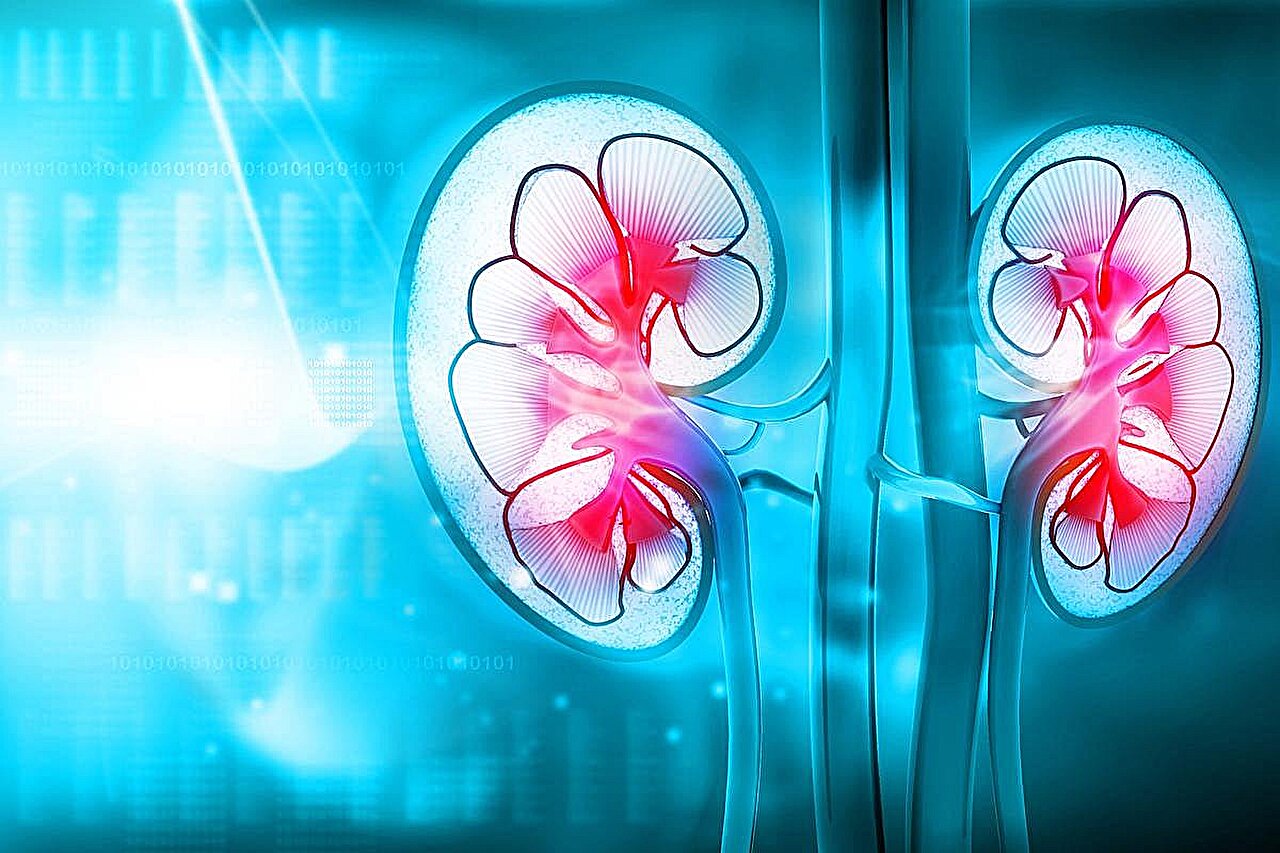
Newly diagnosed patients with systemic lupus erythematosus had a higher risk of later kidney disease and death even when they began with preserved kidney function and no lupus nephritis, according to a study in Rheumatology. The finding matters because kidney monitoring in lupus often focuses on patients with established lupus nephritis, while this analysis points to risk beyond that group.
Iftach Sagy, M.D., Ph.D., of Cambridge University Hospitals NHS Foundation Trust in the United Kingdom, and colleagues studied chronic kidney disease risk among people newly diagnosed with systemic lupus erythematosus, or SLE. The study was published June 16 in Rheumatology.
The researchers compared 1,145 patients with SLE against 91,681 people without SLE who were matched by age, sex and ethnicity. According to the study, participants were followed for a median of 5.77 years.
Kidney and mortality risks were higher
At the start of follow-up, kidney function was similar in the two groups, the researchers reported. Baseline estimated glomerular filtration rate, or eGFR, was 103 mL/min/1.73 m2 in the SLE group and 104 mL/min/1.73 m2 in the comparison group.
Despite that similar starting point, SLE was linked to a higher risk of chronic kidney disease, according to Sagy and colleagues. The reported hazard ratio for chronic kidney disease was 1.96 among patients with SLE compared with matched controls.
The study also found a higher risk of end-stage kidney disease in the SLE group, with a hazard ratio of 3.13. Major adverse cardiovascular events were also more common, with a hazard ratio of 1.63, according to the researchers.
The largest difference reported in the study was for all-cause mortality. Patients with SLE had a hazard ratio of 4.52 for death from any cause compared with matched people without SLE, the authors reported.
The average course of eGFR over time was similar in the two groups, according to the study. That means the higher event risks were observed even though the researchers did not find a major difference in the overall eGFR trajectory between patients with SLE and controls.
Diabetes and hypertension stood out
Among the factors assessed, the authors reported diabetes and hypertension as the strongest risk factors for chronic kidney disease and end-stage kidney disease, with hazard ratios of 1.51 and 2.72, respectively.
The authors wrote that their findings came from a large national cohort of patients with SLE who had preserved renal function and did not have lupus nephritis at baseline. They said the analysis showed increased risk of adverse kidney outcomes, cardiovascular illness and death in that group.
Sagy and colleagues said the results have implications for rheumatologists and general practitioners, including earlier recognition and timely referral of patients with SLE. The authors also pointed to the relevance of those steps as new chronic kidney disease treatment options emerge.
The study was published as “Risk of chronic kidney disease in newly diagnosed systemic lupus erythematosus with preserved renal function: a national study” in Rheumatology. The DOI is 10.1093/rheumatology/keag307.
This story draws on original reporting from Medical Xpress.