
MRI study links NMOSD to brain shrinkage between relapses
Researchers found faster brain atrophy in relapse-free NMOSD patients, suggesting damage may continue even when symptoms are stable.
By Tom Brennan · Health & Medicine Correspondent
3 min read
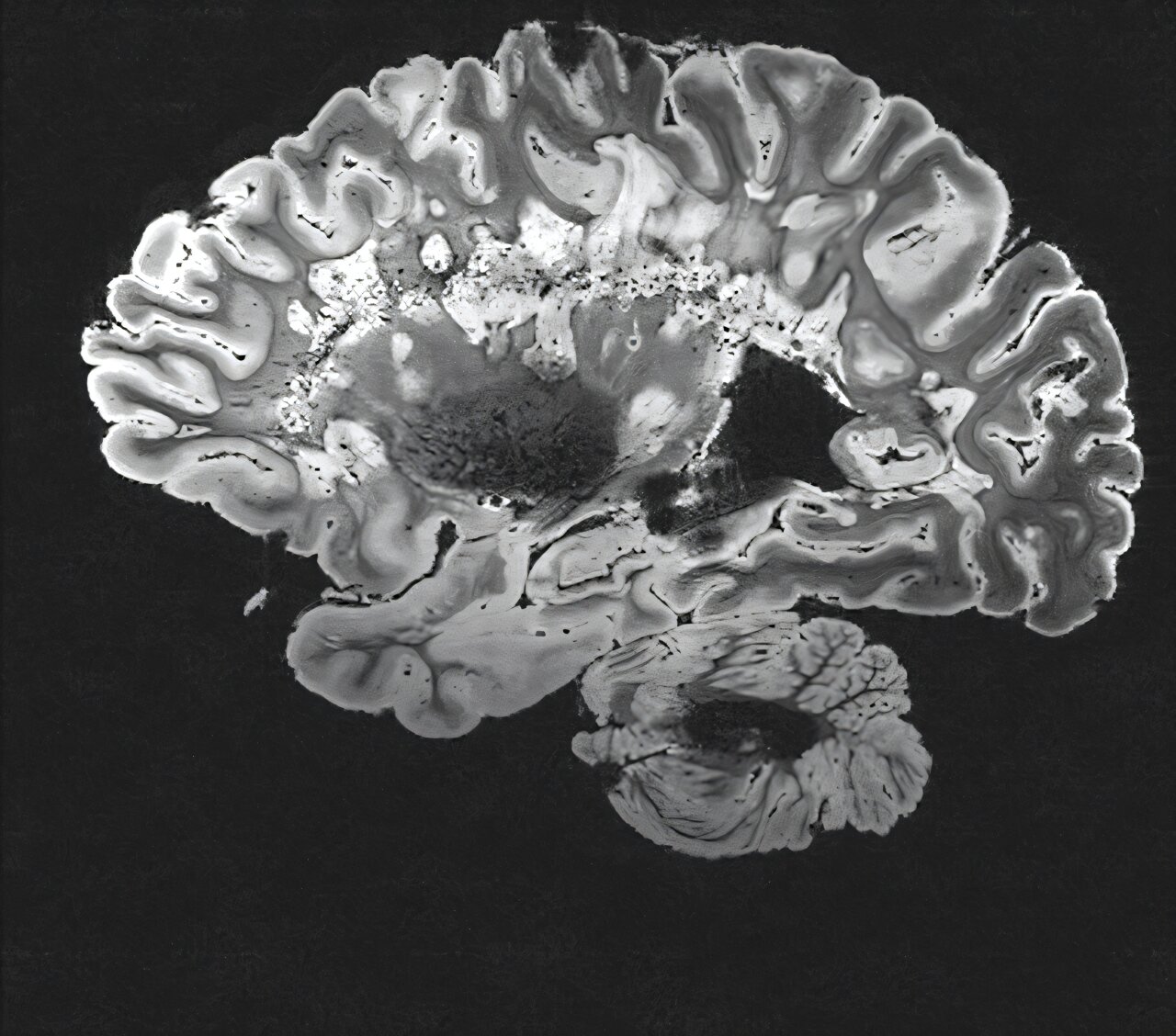
Patients with neuromyelitis optica spectrum disorder may lose brain volume even when they are not having relapses, according to a new MRI study led by Chiba University researchers. The finding matters because current care for the rare autoimmune disease has focused mainly on preventing attacks that can cause severe disability.
The study, published online in the Journal of Neurology, Neurosurgery & Psychiatry, followed people with aquaporin-4 antibody-positive NMOSD, a subtype driven by immune proteins associated with the disease. The research team compared MRI scans from 72 patients in Japan and Germany with scans from 52 healthy volunteers matched by age and sex.
NMOSD occurs when the immune system attacks parts of the central nervous system, especially the optic nerves and spinal cord, according to Chiba University. Relapses can lead to blindness, paralysis, chronic pain and lasting neurological impairment.
Biologic drugs that target the immune system have cut relapse rates in recent years, Chiba University said. But researchers have continued to ask whether brain injury in NMOSD happens only during flare-ups or whether more gradual damage can develop between them.
Relapse-free patients still showed faster atrophy
The Chiba-led team included only patients who had no relapses between their two MRI scans. That design was intended to separate longer-term brain volume changes from damage caused by acute attacks.
Researchers used statistical methods to account for differences among MRI scanners at the study sites. They found that NMOSD patients had a faster rate of whole-brain atrophy than healthy participants, even during periods without clinical relapses.
Brain atrophy refers to shrinkage of brain tissue and is commonly used as a marker of neurodegeneration. The team also reported that lower volumes of subcortical gray matter, which includes deeper brain regions involved in memory, emotion and information processing, were associated with greater neurological disability.
Assistant Professor Hiroki Masuda of Chiba University’s Graduate School of Medicine said the results point to possible disease activity beyond visible relapses. “These findings suggest that neurodegeneration in NMOSD may occur through mechanisms independent of clinical relapses,” Masuda said.
Masuda also urged caution in reading the disability link. He said subcortical gray matter volume was also tied to disease duration and the number of prior relapses, which may reflect accumulated disease burden over time.
Biologic treatment timing may matter
The team also examined whether biologic therapy was related to brain volume changes over time. According to the researchers, patients who started biologic treatment earlier, and those who spent a larger share of their disease duration on biologic therapy, tended to have slower subcortical gray matter atrophy.
The study was co-authored by Dr. Masahiro Mori and Professor Satoshi Kuwabara of Chiba University, along with Dr. Lina Anderhalten and Professor Friedemann Paul of the Neuroscience Clinical Research Center at Charité–Universitätsmedizin Berlin.
Masuda said the findings support further work on cognition and treatment approaches that look beyond relapse prevention. “Monitoring brain atrophy and cognitive function may become important even in clinically stable patients with NMOSD, as subtle cognitive decline may occur even in the absence of relapses,” he said.
Masuda added that such changes are likely to be milder and slower than those typically seen in multiple sclerosis. The researchers said further studies could help shape monitoring methods and treatment strategies aimed at preserving cognitive function and limiting neurological decline in NMOSD.
This story draws on original reporting from Medical Xpress.