
Teens report mobile food delivery at school in national survey
A survey of 1,027 U.S. adolescents found nearly one in four ordered delivery during school hours, raising nutrition and safety concerns.
By Tom Brennan · Health & Medicine Correspondent
3 min read
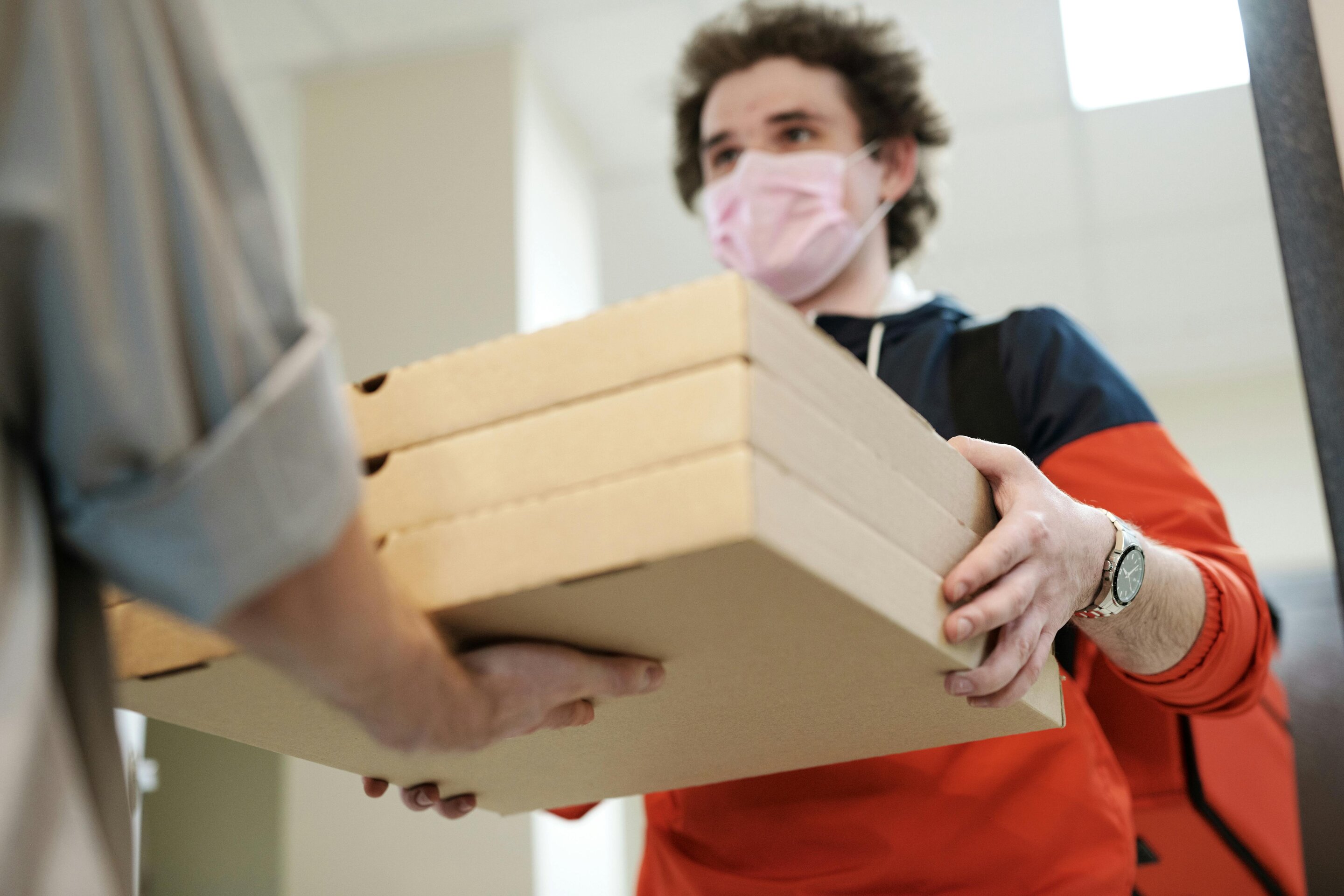
Nearly one in four U.S. teens said they have used mobile food delivery at school during school hours, according to a national survey reported by the American Society for Nutrition. Researchers said the findings point to a gap between school nutrition rules and the way students can now order food from phones.
The survey also found that almost half of respondents used mobile delivery services after school, according to the American Society for Nutrition. Among teens who reported using the services, close to 60% said they ordered fast food such as pizza and burgers, and more than one-third said they ordered sodas or other sugar-sweetened drinks.
Mika Matsuzaki, an assistant professor in the Human Nutrition group at the Johns Hopkins Bloomberg School of Public Health and the study’s lead author, said federal and state rules were built around food available in cafeterias and vending machines. She said smartphones now let students bring outside food options to campus gates in a way current policies may not fully address.
How many teens order food delivery at school?
The survey included 1,027 adolescents ages 13 to 17 and was conducted online in summer 2025, according to the researchers. Nearly one-quarter said they had used mobile food delivery services during school hours.
Mobile food delivery services are phone-based ordering systems that let users request meals or drinks from restaurants for drop-off. In a school setting, researchers said that can affect nutrition goals, campus safety and classroom routines because food can arrive from businesses outside the school’s own food program.
Matsuzaki is scheduled to present the findings at Nutrition 2026, the American Society for Nutrition’s annual meeting, held July 25-28 in National Harbor, Maryland, the society said.
What did the survey find about school rules and student views?
The researchers reported some regional differences. Teens in the western United States were more likely to say their schools allow mobile food delivery during school hours, according to the American Society for Nutrition, but they were also more likely to say they avoid the services because they view them as expensive.
Nearly half of surveyed teens said they supported allowing food delivery during school, according to the researchers. Many respondents, including some who supported the practice, also raised concerns about school safety, classroom distractions, equity and bullying.
Matsuzaki said the split among students was notable because teens who favored access still saw possible downsides. She said the responses suggest students understand that delivery apps can create both convenience and problems at school.
What could schools and parents do next?
The researchers said schools could use the findings when reviewing policies on campus safety, student phone use and outside food deliveries. They also said policymakers and administrators could consider limits aimed at reducing deliveries of less healthy food during the school day.
The research team said schools may also be places to teach teens how to make more deliberate choices in digital food settings. The American Society for Nutrition said collaboration with food-delivery platforms could be one way to encourage healthier choices, while parents and teens could use the findings to discuss nutrition and spending.
The researchers noted that the survey relied on self-reported answers, which can limit the certainty of the results. They said future studies could help confirm the findings.
This story draws on original reporting from Medical Xpress.