
Jet lag can be minimized by timing meals and fluids, experts say
Dietitians say shifting meal times, eating smaller portions and managing alcohol, caffeine and water can reduce jet lag symptoms.
By Tom Brennan · Health & Medicine Correspondent
3 min read
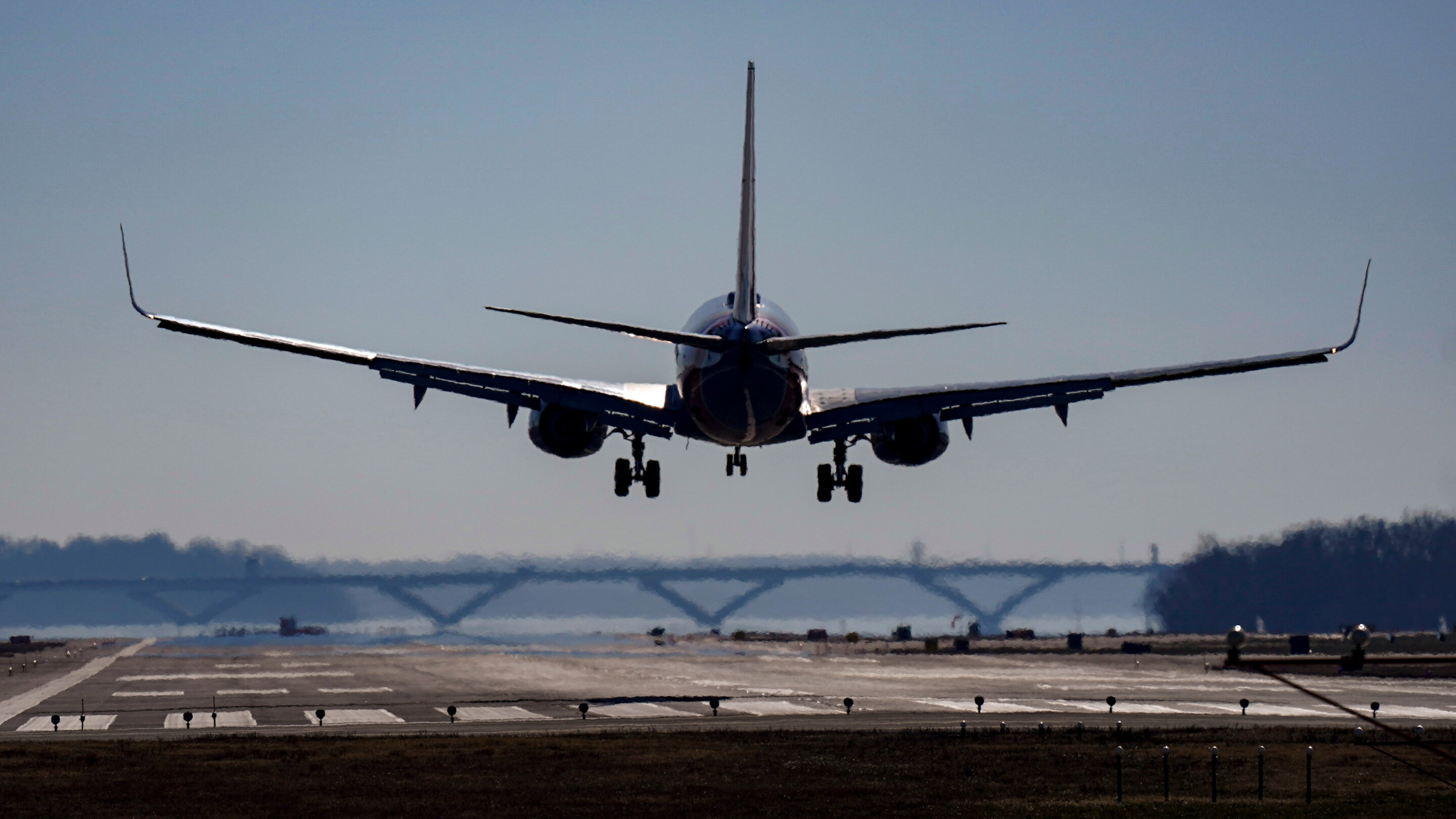
Travelers trying to minimize jet lag this summer may need to think beyond bedtime and plan when they eat and drink, according to health and nutrition experts cited by the Associated Press. Jet lag can disrupt sleep, drain energy and bring headaches or digestive problems, making the first days of a trip harder than expected.
The condition happens when the body’s internal clock falls out of line with the time at a destination after crossing time zones. Sunlight and darkness usually help set that clock, but long-distance travel can leave the body needing several days to catch up, the AP reported.
Tara Schmidt, a registered dietitian at Mayo Clinic in Rochester, Minnesota, told the AP she has had severe jet lag on trips to Europe and said it affected the start of her vacations. Joanne Slavin, a nutrition expert at the University of Minnesota, Twin Cities, said stomach symptoms such as bloating, constipation and diarrhea can be part of the problem.
How can you minimize jet lag with food and drink?
Schmidt said travelers can start by adjusting meal times before departure, moving them in small steps toward the schedule at their destination. She suggested shifting meals by 15 minutes, then 30 minutes and then an hour as travel approaches.
After arrival, Slavin advised eating on the local timetable right away. If the destination clock says morning, that means breakfast; if it is lunch or dinner time locally, eat accordingly.
A 2023 study co-authored by Northwestern University researchers suggests that a substantial breakfast timed to the new time zone may help with recovery from jet lag. The advice fits with a broader point from experts: meals can act as time cues for the body, alongside light exposure and sleep timing.
The U.S. Centers for Disease Control and Prevention advises travelers to keep meals smaller shortly before and during travel to help avoid stomach discomfort. Schmidt said smaller portions can be easier for people to tolerate, especially early in a trip or for those who are already feeling gastrointestinal symptoms.
She also urged caution with unfamiliar foods, especially greasy or high-fat meals, while acknowledging that eating local food is one of the pleasures of travel. Her advice was to ease into larger meals later in the trip if the body is tolerating the change.
Alcohol, caffeine and water can affect recovery
Schmidt told the AP that travelers should avoid alcohol because it can interfere with sleep. She also said caffeine can be useful if taken at the right time, such as a normal morning coffee or tea, but late-day caffeine can make sleep harder.
Both caffeine and alcohol can contribute to dehydration, Schmidt said, and dehydration can make fatigue and perceived jet lag symptoms worse. Dry airplane cabin air adds another reason to drink water before, during and after a flight.
At the destination, the AP reported that eight glasses of water a day is an easy target for many people, though fluid needs vary with weather, activity and individual health. Cleveland Clinic experts recommend bottled water when travelers have concerns about local water safety.
Experts told the AP that food and drink choices are only part of reducing jet lag and should go along with adjusting sleep to the new time zone. As a trip ends, Slavin said travelers should ease back toward their usual sleep and eating habits and resume them at home as soon as practical.
This story draws on original reporting from Medical Xpress.