
Military restores flu shots for recruits after Texas base outbreak
More than 220 recruits at Lackland Air Force Base have become ill after the Pentagon made flu vaccination optional, according to ABC News.
By Priya Raghavan · Science Reporter
3 min read
The Air Force, Army and Navy are again requiring new recruits to receive influenza vaccinations after a flu outbreak at Lackland Air Force Base in San Antonio, ABC News reported. The change follows Defense Secretary Pete Hegseth’s April decision to end the military’s flu shot requirement, a policy that had been part of U.S. military health practice for decades.
At least 222 recruits at the Texas base had fallen ill as of June 23, and four had been hospitalized, according to ABC News. The outbreak has drawn attention because it came soon after the Pentagon shifted the flu vaccine from mandatory to optional for service members.
Hegseth announced on April 21 that the flu vaccine would no longer be required, citing medical autonomy and religious freedom, according to the Defense Department announcement. He described the mandate as too broad and not rational, and framed the change around troops’ control over their bodies, faith and convictions.
ABC News reported that vaccination rates among Lackland recruits fell from nearly 100% to 40% after the mandate ended. Public health researchers have long warned that respiratory viruses spread readily in military training settings, where recruits live, train and sleep in close quarters.
A long military history of vaccine rules
Katrine L. Wallace, an epidemiologist writing in The Conversation, said the military’s use of vaccine requirements has historically been tied to readiness rather than personal preference. She noted that commanders have treated infectious disease as a threat to unit strength when outbreaks could sideline troops faster than combat.
The U.S. military’s vaccination tradition dates to the Revolutionary War, when Gen. George Washington ordered mass inoculation against smallpox for the Continental Army in 1777, according to historical accounts cited by Wallace. The procedure used then, variolation, carried risks, but Washington acted after smallpox had damaged American forces during the Quebec campaign.
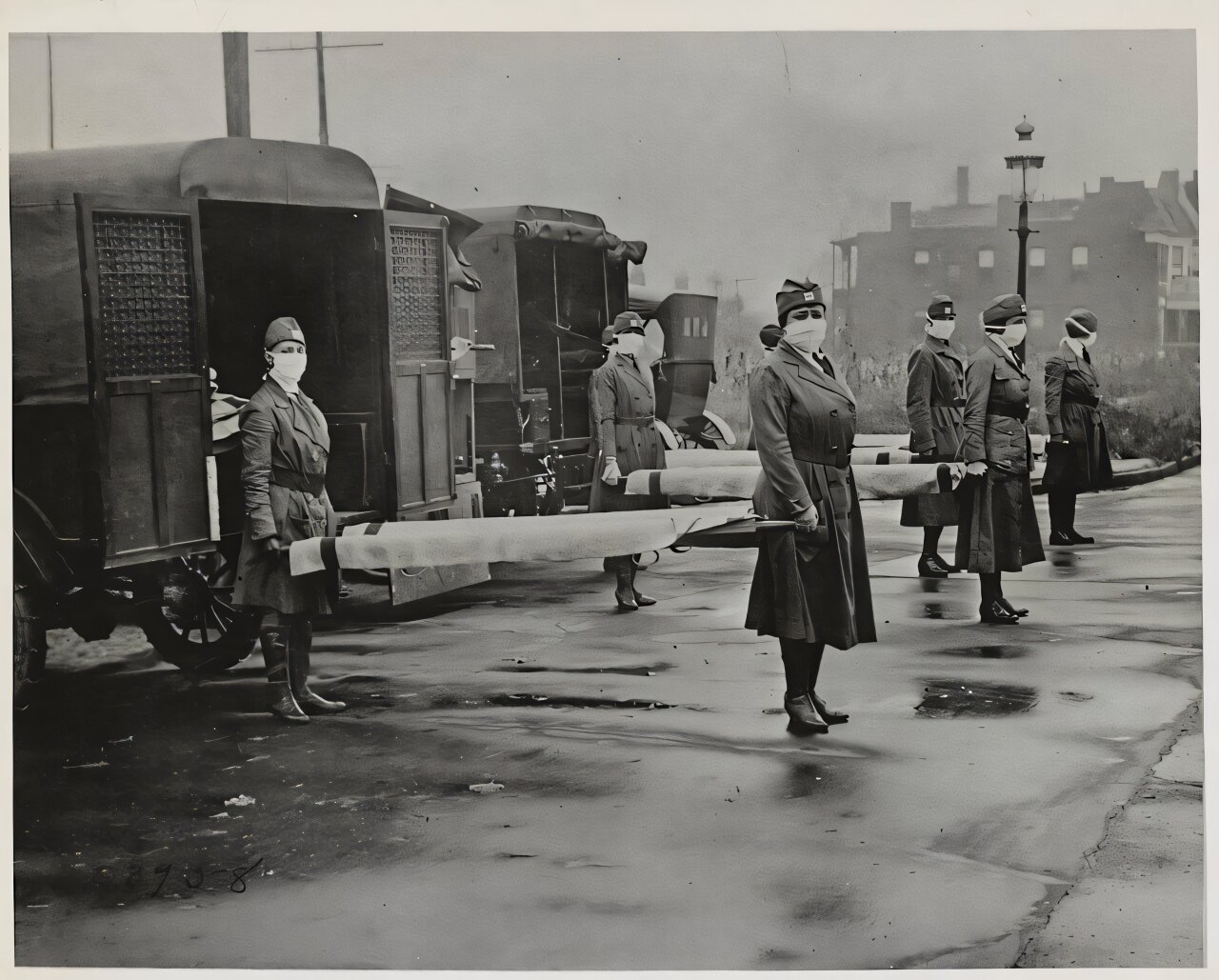
The influenza requirement itself grew from the 1918 pandemic and World War I, Wallace wrote. About 45,000 American soldiers died of influenza during that war, close to the roughly 53,000 killed in combat, according to figures cited in her analysis.
The Army organized an influenza commission in 1941 as the country prepared for World War II, partnering with University of Michigan researchers on early flu vaccine work. Military recruit trials found the vaccine reduced influenza illness by 85%, and the armed forces mandated it in 1945, when about 7 million service members were vaccinated, according to Wallace.
The mandate was briefly paused in 1949 after scientists recognized that flu vaccines had to be updated as the virus changed. Wallace said the requirement returned in the early 1950s and remained in place until Hegseth’s policy change this spring.
COVID fight reshaped the debate
The politics around military vaccination shifted during the COVID-19 pandemic. In 2021, service members were ordered to receive COVID-19 vaccines; more than 98% of active-duty troops complied, but more than 8,000 service members were involuntarily discharged for refusing, according to reports cited by Wallace.
Congress later required the Pentagon to rescind the COVID-19 vaccine mandate in 2023. In January 2025, President Donald Trump ordered reinstatement with back pay for service members discharged over COVID-19 vaccine refusal, according to a White House fact sheet cited by Wallace.
Wallace wrote that Hegseth’s flu policy used language associated with the “medical freedom” movement rather than new evidence about influenza vaccination. The Centers for Disease Control and Prevention estimated that flu vaccination prevented about 180,000 hospitalizations and 12,000 deaths during the 2024-2025 season.
The Lackland outbreak now puts the military’s flu policy back in practical terms. A large group of sick recruits can interrupt training, strain medical care and spread illness through a unit, the same readiness concerns that led earlier military leaders to require vaccines.
This story draws on original reporting from Medical Xpress.