
Heat can make it harder for children to learn and exercise safely
Researchers say hot weather can affect children’s concentration, comfort and sport performance, with hydration, shade and cooling measures helping reduce risk.
By Tom Brennan · Health & Medicine Correspondent
3 min read
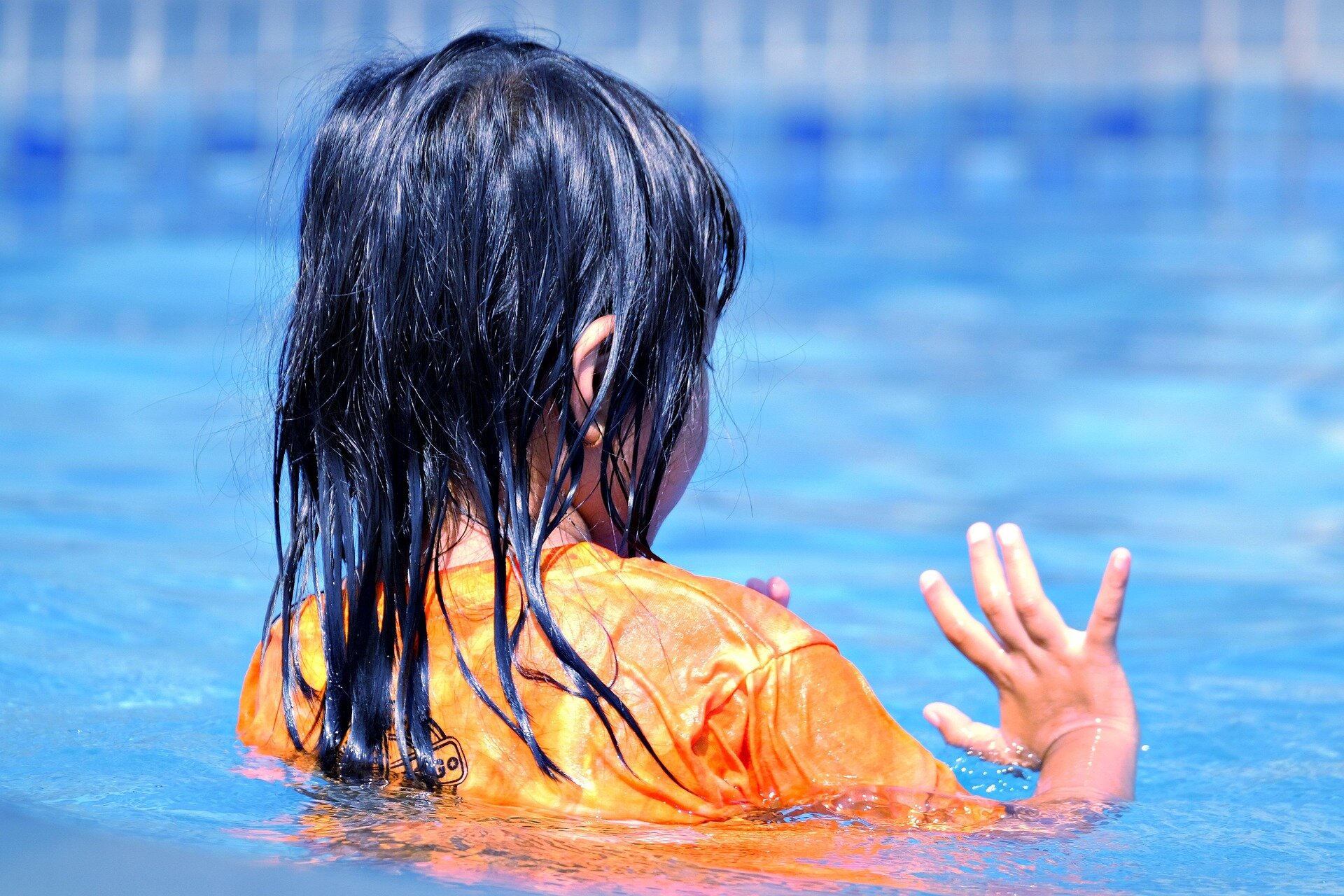
High temperatures can interfere with children’s learning, play and sport, according to researchers writing in The Conversation, as some UK schools close during hot weather. Stacey Cowe, Caroline Sunderland and Simon Cooper said children may be especially affected because their bodies are still developing the systems used to control temperature.
The researchers said heat can slow the way people process information and make quick, accurate decisions. It can also leave people feeling more tired, distracted and irritable, which reduces concentration, memory and focus.
Those effects matter in classrooms because children need attention and mental stamina to learn. Cowe, Sunderland and Cooper said research points to exhaustion, irritability and discomfort from heat as risks for children’s learning and cognitive ability.
Children may be more vulnerable than adults in hot conditions, the researchers said, because their thermoregulatory systems are still maturing. They also said children often fail to drink enough to replace fluid lost through sweat, which can raise risk during hot weather.
The researchers said children’s habits can add to the strain. They often spend more time outdoors playing and running around, which produces more body heat while the weather is already placing stress on the body.
Heat can affect sport and clubs
Hot weather also changes the risk calculation for after-school clubs and sport, the researchers said. They described these activities as important for children’s physical and social development, but said heat can reduce performance during exercise, especially in team sports.
Previous research cited by the authors links exercise in hot environments with performance declines caused by higher core and muscle temperatures. Because children are more prone to heat-related strain, the researchers said it may be safer for them to miss activities when temperatures become very high.
They also said parents and schools can use straightforward measures to limit heat stress. Cold or icy drinks and fans can help lower body temperature and heart rate, while also reducing how uncomfortable children feel in the heat, according to the researchers.
Clothing can make a difference as well. The authors advised choosing lightweight, breathable clothing for children in hot weather to help reduce skin temperature.
They also recommended encouraging children to drink fluids with electrolytes to support hydration. Breaks indoors or in shaded areas can cut exposure and give children time to cool down, the researchers said.
Signs parents should watch for
Cowe, Sunderland and Cooper said parents should look for early signs that a child is struggling with heat. Changes in mood, headaches and unusual tiredness can indicate that conditions are becoming hard to manage.
Parents who spot those signs can respond with cool air, rest or shade, the researchers said. They described early action as a way to keep children safer and more comfortable when temperatures rise.
The authors said understanding heat’s effects on both the body and the brain is important for decisions about school, play and sport. Their research group studies how heat affects cognitive and exercise performance, along with ways to improve safety and performance in hot conditions.
This story draws on original reporting from Medical Xpress.