
Medicare opens limited GLP-1 weight-loss coverage through Bridge
The new Medicare Bridge program covers some GLP-1 weight-loss drugs, but eligibility, costs and follow-up requirements are limited.
By Priya Raghavan · Science Reporter
3 min read
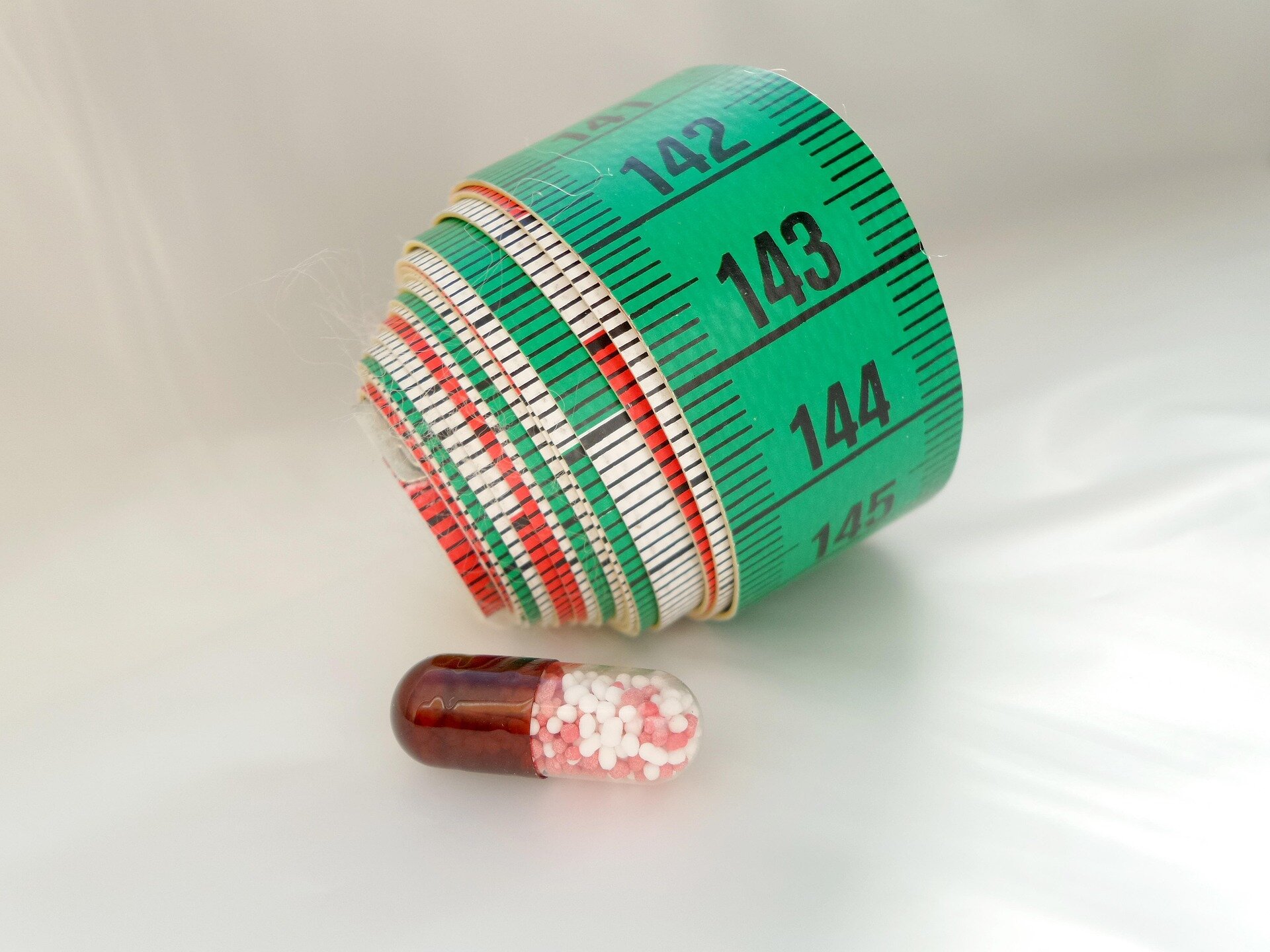
Medicare began a new program July 1 that lets some enrollees get GLP-1 weight-management drugs, ending a long-standing bar on Medicare payment for weight-loss medication. The University of Michigan said the Bridge program could create strong demand, but it excludes many patients, drugs and support services used in obesity care.
Lauren Oshman, a University of Michigan Health physician board-certified in family medicine and obesity medicine, said GLP-1 medicines such as semaglutide and tirzepatide will now be available to some Medicare patients for weight management. She also said the program does not cover several other obesity medications or the broader services that help patients maintain weight loss.
Who can qualify
According to the University of Michigan, Bridge is available only to people with Medicare Part D prescription drug coverage, including Part D plans bought directly and drug coverage included in some Medicare Advantage or Special Needs Plans. People whose drug benefits come through an employer or union retirement plan may not qualify if that plan is an employer/union group waiver plan.
The University of Michigan said Bridge is not for Medicare patients who already can receive a GLP-1 drug for another covered medical reason. That includes people with type 2 diabetes, and may include those with certain FDA-approved indications involving cardiovascular risk reduction, sleep apnea or fatty liver disease in people with overweight or obesity.
Bridge also uses body mass index and health criteria. The University of Michigan said people with a BMI of 35 or higher qualify; people with a BMI of at least 27 may qualify if they have prediabetes, a history of heart attack or stroke, or symptomatic blocked arteries in the legs. People with a BMI of 30 to 34.9 may qualify if they have chronic kidney disease, uncontrolled high blood pressure or heart failure with preserved ejection fraction.
How approval works
Patients cannot enroll on their own, according to the University of Michigan. A physician, nurse practitioner or physician assistant must prescribe an eligible drug, attest that the patient meets Bridge criteria and certify that the medicine will be used with diet and exercise changes.
The prescription then goes to a pharmacy, which must process the approval through Medicare’s system. The University of Michigan said patients receive an approval letter by mail before they can begin filling the prescription under Bridge.
Cost and covered drugs
People approved through Bridge pay $50 a month, the University of Michigan said. That amount does not count toward the annual Medicare Part D out-of-pocket cap, which is $2,100 in 2026 and rises to $2,400 in 2027, and low-income drug-cost assistance programs do not reduce the Bridge payment.
The University of Michigan said the program focuses on three GLP-1 options: orforglipron, sold as Foundayo; semaglutide, sold as Wegovy in pill and injection forms; and tirzepatide, sold as Zepbound in the multi-dose KwikPen. Oshman said other weight-management medications, including phentermine-topiramate and bupropion-naltrexone combinations, are not included, though some lower-cost generic options may be available outside Bridge for patients who can safely use them.
Limits and long-term questions
Oshman said the program does not require in-person evaluation, an established patient relationship or records of height and weight, although prescribers must attest that the information they submit is true. She said Medicare separately covers obesity behavioral therapy for people with BMIs over 30, but Bridge itself does not require that kind of support.
Oshman also warned that high demand could strain supply and that some patients may stop or reduce GLP-1 treatment because of gastrointestinal side effects such as nausea, vomiting and diarrhea. She said patients should know how their prescriber will track weight loss, side effects and follow-up care.
The University of Michigan said Bridge is temporary, while Medicare develops a successor program called Balance for January 2028. Oshman said GLP-1 treatment is usually a long-term commitment because many patients regain weight after stopping the drugs.
This story draws on original reporting from Medical Xpress.