
Ibuprofen has stronger evidence than paracetamol for period pain
Research cited by The Conversation says NSAIDs target prostaglandins, a key driver of menstrual cramps, while paracetamol mainly dampens pain signals.
By Tom Brennan · Health & Medicine Correspondent
3 min read
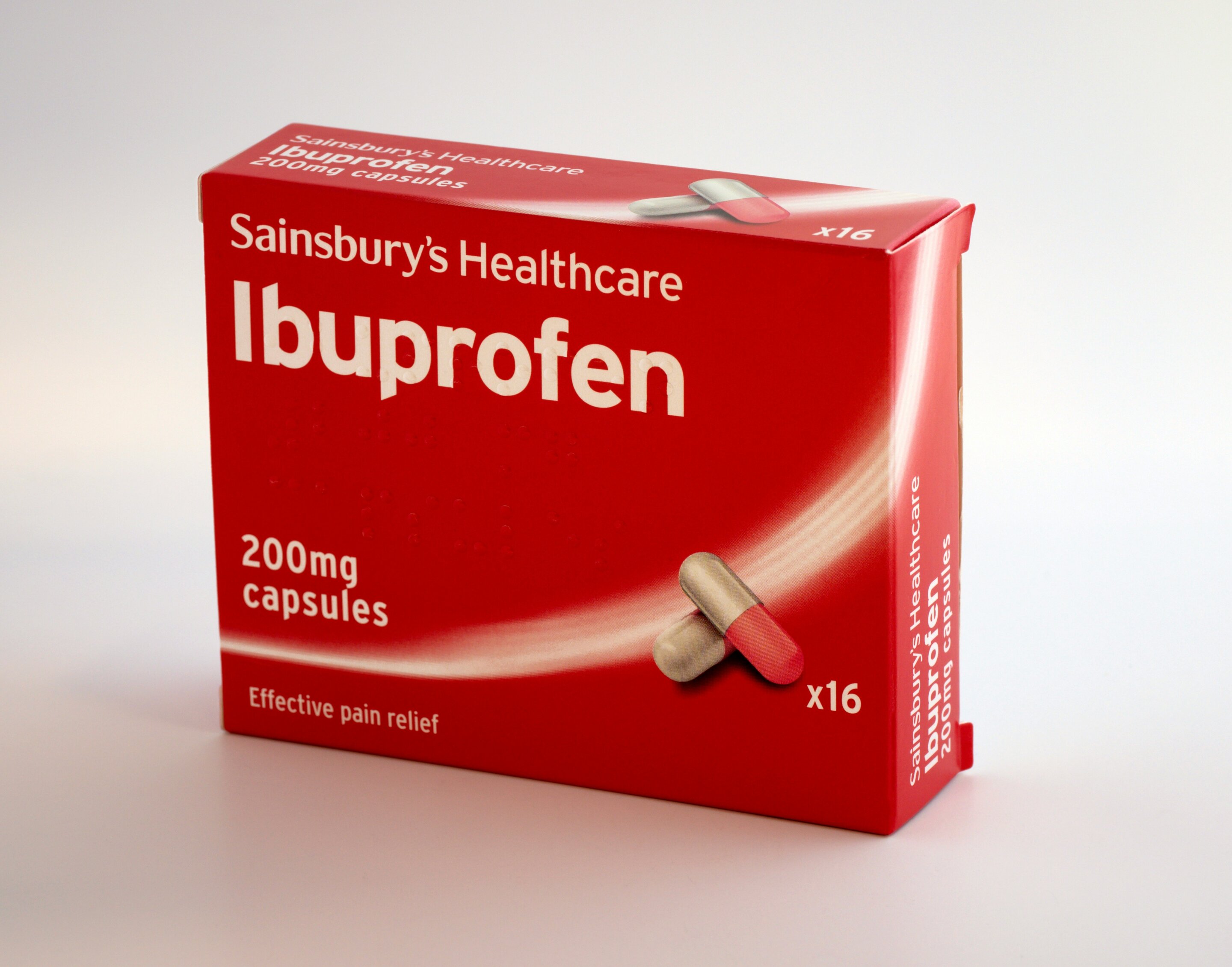
Ibuprofen is more effective than paracetamol for many cases of period pain because it acts on chemicals that help trigger menstrual cramps, according to pharmacist and researcher Dipa Kamdar writing in The Conversation. The gap matters because a recent analysis of supermarket transactions from more than 3 million shoppers found paracetamol was the most commonly bought painkiller for menstrual cramps, despite weaker evidence for that use.
Period pain, also called dysmenorrhoea, is linked to prostaglandins, hormone-like chemicals released as the womb lining breaks down, Kamdar wrote. Those chemicals cause the uterus to contract so it can shed the lining; higher prostaglandin levels can make contractions stronger, reduce blood flow to the uterus and contribute to cramping pain.
Kamdar said prostaglandins are also tied to inflammation and may help explain period-related symptoms such as nausea. That mechanism is why the type of painkiller matters.
Why NSAIDs work differently
Ibuprofen belongs to a group of medicines known as nonsteroidal anti-inflammatory drugs, or NSAIDs. According to Kamdar, NSAIDs block cyclooxygenase, or Cox, enzymes that are needed to produce prostaglandins, so they address one of the main biological drivers of period pain.
Paracetamol works mostly in the brain and spinal cord, where it reduces how pain signals are perceived, Kamdar wrote. It only weakly blocks peripheral Cox enzymes and does not have the same anti-inflammatory effect, which helps explain why it can be useful for headaches but less effective for menstrual cramps.
A Cochrane review cited by Kamdar examined 80 trials involving more than 5,800 women and found NSAIDs were substantially more effective than paracetamol for period pain. Kamdar wrote that paracetamol may remain popular because it is familiar, heavily marketed and often seen as gentler.
Timing and alternatives
Ibuprofen is widely used because it is effective, low-cost and available without a prescription, Kamdar wrote. Other NSAIDs used for period pain include naproxen, mefenamic acid and aspirin, although aspirin is less commonly recommended because its blood-thinning effect can make periods heavier, and the NHS advises against its use in people younger than 16 because of the risk of Reye’s syndrome.
Kamdar said evidence does not show convincing differences among NSAIDs in pain relief or side-effect rates. If ibuprofen does not help a person, another NSAID may; mefenamic acid is sometimes chosen because it may reduce heavy bleeding, but it requires a prescription.
NSAIDs can work when taken after pain starts, but Kamdar wrote that they tend to work best when started early, usually one to two days before bleeding begins and continued through the first days of a period. The aim is to reduce prostaglandin production before it peaks.
NSAIDs are generally safe for short-term use in many people, but Kamdar said they can irritate the stomach and, in some cases, raise the risk of ulcers or gastrointestinal bleeding. They may also affect kidney function and, with long-term use, heart health; people with asthma, kidney disease, heart problems or a history of stomach ulcers should seek medical advice before taking them.
Kamdar also noted that NSAIDs can interact with blood thinners, some antidepressants, some blood pressure medicines and steroids. About 18% of people with dysmenorrhoea do not get enough relief from NSAIDs, according to research she cited.
Other options include hyoscine butylbromide, an antispasmodic that relaxes smooth muscle in the gut and uterus, though Kamdar said it is less effective overall than NSAIDs. The combined oral contraceptive pill can reduce period pain by preventing ovulation and thinning the womb lining, but it can cause side effects including nausea, breast tenderness, spotting and mood changes.
Kamdar said heat applied to the abdomen and high-frequency TENS devices may also help some people. Severe, worsening or disruptive period pain should be discussed with a health care professional to check for conditions such as endometriosis or fibroids.
This story draws on original reporting from Medical Xpress.