
Foodborne parasite cases spread to 31 states, with 86 hospitalized
Health officials are investigating a summer rise in cyclosporiasis, a produce-linked infection that has sickened nearly 3,000 people.
By Priya Raghavan · Science Reporter
3 min read
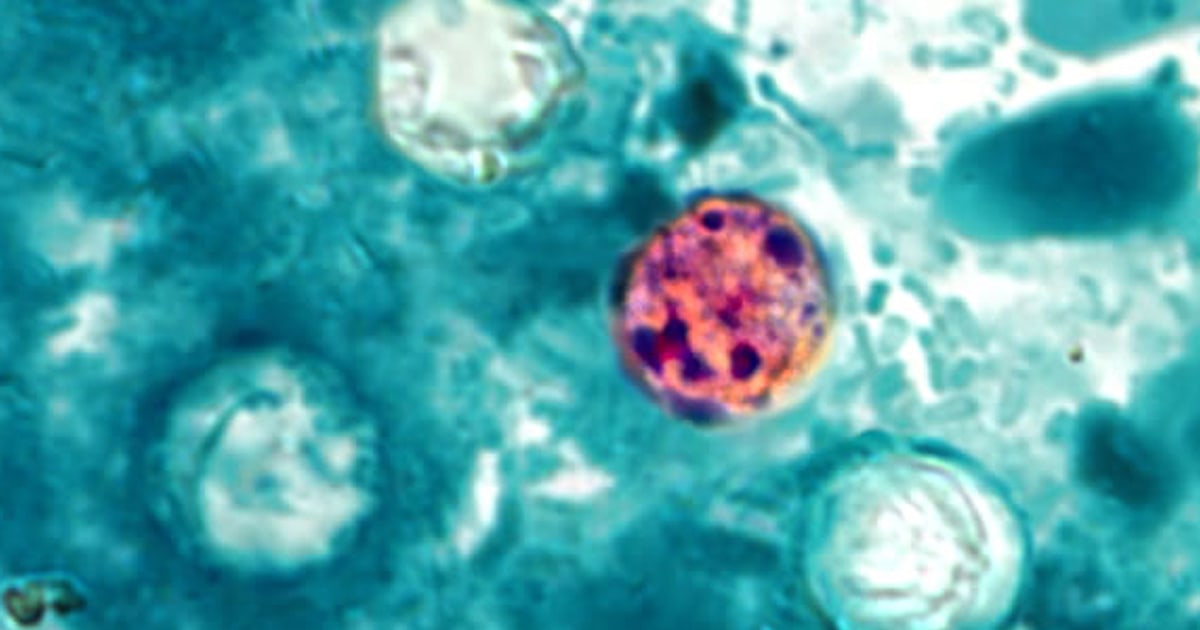
A foodborne parasitic illness has sickened nearly 3,000 people across the United States, and federal officials say 86 patients have been hospitalized. The Centers for Disease Control and Prevention said Friday that cyclosporiasis cases have been reported in 31 states, with investigators still trying to identify whether the outbreaks share a common source.
The CDC said it has confirmed 843 U.S.-acquired cases and is reviewing more than 1,500 additional illnesses. No deaths have been reported, according to the agency.
NBC News, citing state health department data, reported a national count of 2,912 reported or confirmed cases. Dianna Blau, acting chief of the CDC’s Parasitic Disease Branch, told NBC News that the country had about 2,700 cases for all of last year.
Michigan reports the largest cluster
Michigan has reported the heaviest caseload, with 1,562 cases as of Friday, according to the state health department. At least 36 people there have been hospitalized.
Dr. Natasha Bagdasarian, Michigan’s chief medical executive, told NBC News that the increase is “highly unusual.” She said the state normally records 40 to 50 cyclosporiasis cases in a year and that laboratories are working to sequence the parasite’s genome to help trace its origin.
Ohio has also seen a rise. The Ohio Department of Health listed 177 cases and 28 hospitalizations as of July 2, while the Toledo-Lucas Health Department reported 306 cases this past week, NBC News reported. New York has reported 394 cases, and Illinois has reported 141.
The Food and Drug Administration said Friday that it was working with state partners. No product recalls tied to the illnesses have been announced, according to the FDA.
What cyclosporiasis does
Cyclosporiasis is caused by cyclospora, a microscopic parasite. The illness is usually linked to fresh produce, and past outbreaks have involved raspberries, bagged lettuce or salads, cilantro and basil, according to health officials cited by NBC News.
Symptoms often begin about a week after someone consumes contaminated food. Patients may first develop fatigue and body aches, followed by severe watery diarrhea, gas, stomach cramps, nausea and loss of appetite. Low-grade fever is uncommon, according to NBC News.
Doctors usually treat the infection with an antibiotic, often Bactrim. Blau told NBC News that about 10% of patients are hospitalized on average, often because diarrhea causes dehydration. Young children, older adults and people with weakened immune systems face higher risk.
The illness is hard to track because the delay between eating contaminated food and becoming sick can stretch beyond a week, Blau said. People may not remember ingredients in mixed foods, such as herbs in salsa or lettuce in a salad, by the time investigators ask what they ate.
How officials say to reduce risk
Health officials say cyclosporiasis does not spread like a respiratory virus or norovirus. The parasite must mature in the environment for days or weeks before it can infect another person, according to NBC News.
Cooking kills the parasite, while rinsing produce can lower risk but may not remove it fully. Janet Buffer, senior institute manager at the Institute for Food Safety and Nutrition Security at George Washington University, advised consumers not to wash produce with dish soap because residue can remain on fruits and vegetables.
Michigan health officials recommend buying whole heads of lettuce instead of bagged salad mixes, removing outer leaves and rinsing the rest. They also advise separating cilantro and basil leaves before washing them, and trimming green onions by removing the root end and outer layer before rinsing.
Rutgers food microbiology professor Donald Schaffner told NBC News that people should not avoid fresh fruits and vegetables while investigators search for a source. He said produce remains part of a healthy diet, even during the summer months when cyclospora cases usually rise.
This story draws on original reporting from NBC News.