
Trump says US accepted Iran request for more talks as fighting continues
The US president said Washington would keep negotiating while declaring the June 17 ceasefire over after new attacks tied to the Strait of Hormuz.
By Lucas Ferreira · Science & Environment Writer
3 min read
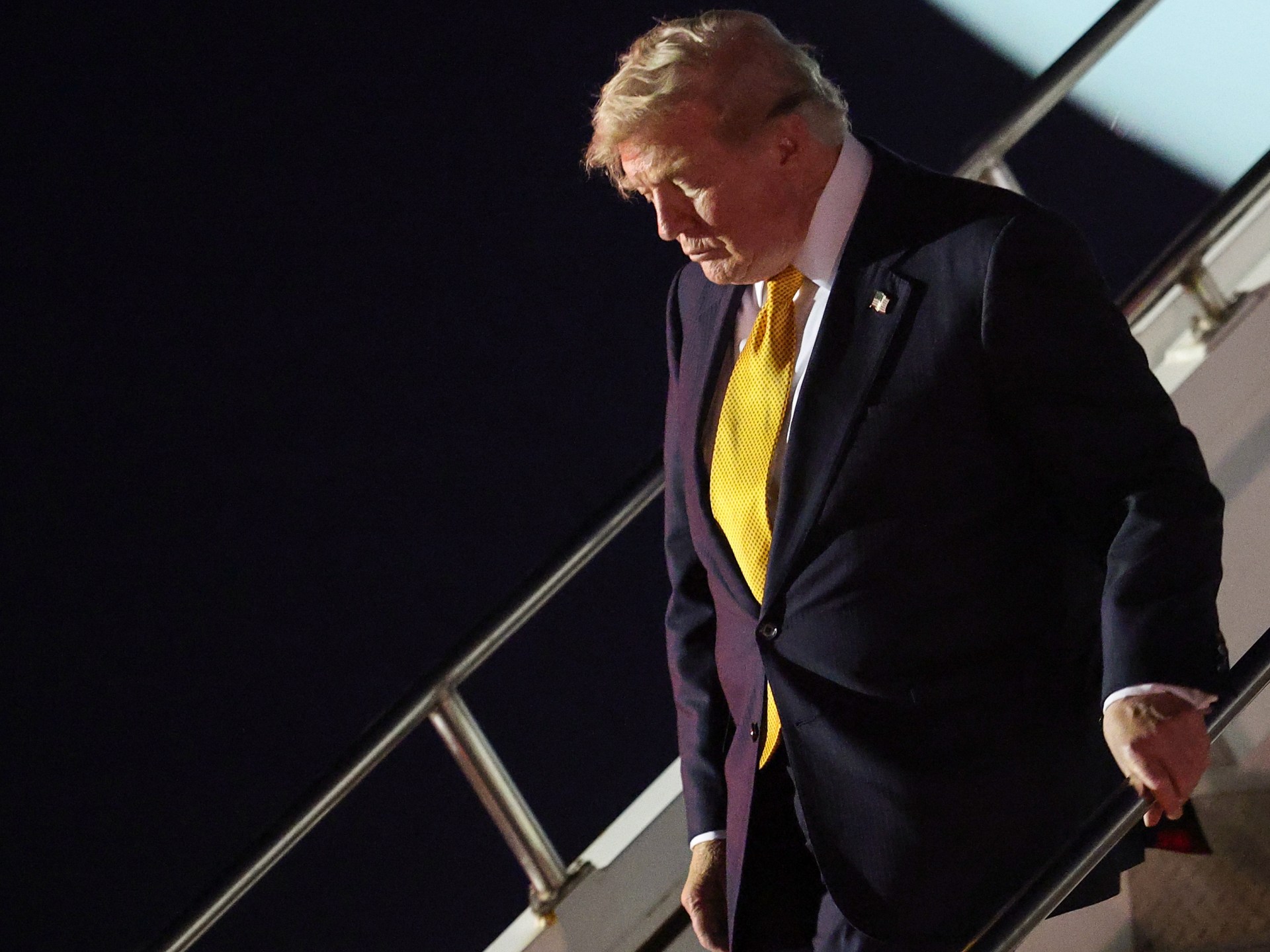
US President Donald Trump said Washington has agreed to continue talks with Iran, even as he declared that a June ceasefire between the two countries had collapsed. The statement matters because it leaves open a diplomatic channel while US and Iranian forces exchange fire around one of the world’s most important shipping routes.
Trump wrote Friday on Truth Social that Iran had asked to keep negotiations going and that the United States had accepted, according to Al Jazeera. In the same post, he said the US had told Iran that the ceasefire was over.
Iran did not immediately confirm that it had made such a request, Al Jazeera reported. The two governments have repeatedly issued conflicting accounts of their contacts since the US-Israeli war against Iran began on February 28, according to the network.
The latest comments followed two days of attacks linked to commercial shipping through the Strait of Hormuz, Al Jazeera reported. The narrow waterway has been at the center of the latest confrontation, with Washington and Tehran disputing what a June 17 memorandum of understanding requires each side to do.
New strikes strain June agreement
US Central Command said the United States has struck about 170 targets in Iran since Tuesday, according to Al Jazeera. Iran has responded by attacking US assets in the region, the network reported.
The fighting is the most serious challenge so far to the June 17 memorandum, which called for fighting to stop on all fronts, for the US to lift its naval blockade of Iran, and for the strait to reopen, according to Al Jazeera. The agreement also set a 60-day window to address unresolved issues, including Iran’s nuclear programme, frozen Iranian assets and future administration of the Strait of Hormuz.
Trump did not say whether any new talks would focus on stopping the current fighting or on those longer-term issues, Al Jazeera reported.
A similar exchange occurred in late June after Trump accused Iran of breaching the ceasefire by sending drones against container ships, according to Al Jazeera. Before this week’s escalation, both governments had accused the other of violating the June memorandum.
Iranian officials have argued that the agreement gives Tehran a role in regulating traffic through the Strait of Hormuz and permits action against vessels that do not comply, Al Jazeera reported. The US says the deal requires Iran to allow unrestricted passage through the waterway.
Qatar linked to de-escalation effort
Qatari officials were reported to be in Iran on Friday as part of an effort to reduce tensions and prepare for broader negotiations that could continue in Qatar or Pakistan, Al Jazeera correspondent Victoria Gatenby reported from Doha. Qatar’s Ministry of Foreign Affairs did not immediately respond to Al Jazeera’s request for comment.
Sheikh Mohammed bin Abdulrahman bin Jassim Al Thani, Qatar’s prime minister and foreign minister, said on X that he had urged both the US and Iran to honor their commitments during a call with Egypt’s foreign minister, according to Al Jazeera.
Trump said earlier this week that the US was not seeking a return to full-scale war with Iran, Al Jazeera reported. He also threatened strikes on Iran’s oil and water infrastructure, said the US could “take control” of Kharg Island and raised the possibility of reinstating a US naval blockade.
Al Jazeera reported that both sides have reasons to consider diplomacy: the war is unpopular in the United States and could damage Trump’s Republican Party in the November midterm elections, while Iran’s economy has been hurt by the conflict and Tehran has an interest in sanctions relief and access to frozen funds.
Military analyst Alex Alfirraz Scheers told Al Jazeera that negotiations were likely to produce little unless the two sides rebuild trust. He said talks would remain largely symbolic without progress on confidence-building.
This story draws on original reporting from Al Jazeera.