
Dermatologists say makeup wipes should not replace face washing
Skin experts told NBC Select that wipes can leave residue, irritate skin and create waste, and should be followed by a proper cleanse.
By Tom Brennan · Health & Medicine Correspondent
3 min read
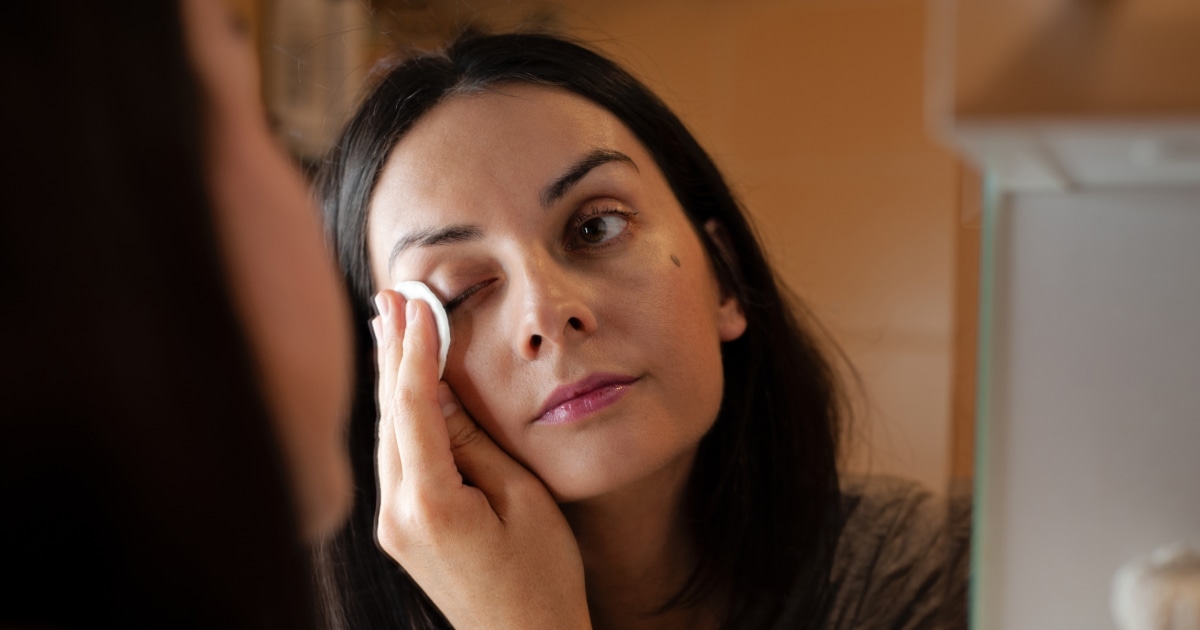
Makeup wipes may help remove visible cosmetics quickly, but dermatologists cited by NBC Select say they should not stand in for washing your face. The advice matters for people who rely on wipes as a nightly shortcut, because the experts said residue, rubbing and certain wipe ingredients can aggravate skin.
Dr. Nicole Lee, a board-certified dermatologist and founder of Epoch Dermatology, told NBC Select that wipes should be treated as an opening step in a routine rather than the final one. Lee said wipes can spread makeup, oil and debris across the skin instead of fully taking them off.
Dr. Nicole Negbenebor, a board-certified dermatologist with UI Health Care, told NBC Select that people who use wipes should still cleanse and rinse afterward. Negbenebor said the film left by a wipe can mean dirt remains on the face, which may contribute to acne or irritation.
Why wipes can bother skin
Lee told NBC Select that the problem is not only incomplete cleansing. She said repeated rubbing, the material of the wipe and additives such as preservatives or fragrance can irritate skin and may weaken the skin barrier over time.
According to NBC Select, that risk may be greater for people with sensitive or reactive skin. The report said ingredients used to preserve wipes in the package can also be a trigger for irritation in some users.
The dermatologists did not say wipes must be avoided in every circumstance. Negbenebor told NBC Select that people who continue using them can reduce irritation risk by choosing wipes without alcohol or fragrance.
What dermatologists recommend instead
Lee told NBC Select that a gentle two-step cleanse works better than relying on wipes. She recommended starting with a cleansing balm or oil, then using a mild water-based cleanser to wash away remaining residue, sweat and dirt.
NBC Select reported that micellar water or a makeup remover can also be used before washing the face. The report described micellar water as a solution containing micelles, which are cleansing oil molecules that attract oil and dirt.
For removing makeup near the eyes, Lee told NBC Select that she uses a gentle lotion on a cotton ball for leftover eye makeup. She said that approach can clean the eyelid area with less irritation while adding moisture to skin that is easily sensitized.
NBC Select also listed reusable cloths, cleansing balms, waterproof makeup removers and oil-to-milk cleansers as alternatives to disposable wipes. The report said cleansing remains necessary regardless of the first makeup-removal step.
Environmental concerns
Lee told NBC Select that most makeup wipes are designed for one use and do not biodegrade, adding to waste. She said reusable cloths paired with an effective cleanser are a more sustainable choice.
Negbenebor told NBC Select that disposable makeup wipes are not recyclable and should not be flushed because they do not break apart. She said people looking for a lower-waste option should consider wipes made with plant-based fibers and labeled biodegradable, since those are more likely to degrade after disposal.
This story draws on original reporting from NBC News.