
Federal cannabis moves could reshape research and Nevada sales
A DOJ rescheduling order and a House research bill may affect medical cannabis businesses, scientists, tourists and state rules, according to a UNLV policy expert.
By Priya Raghavan · Science Reporter
4 min read
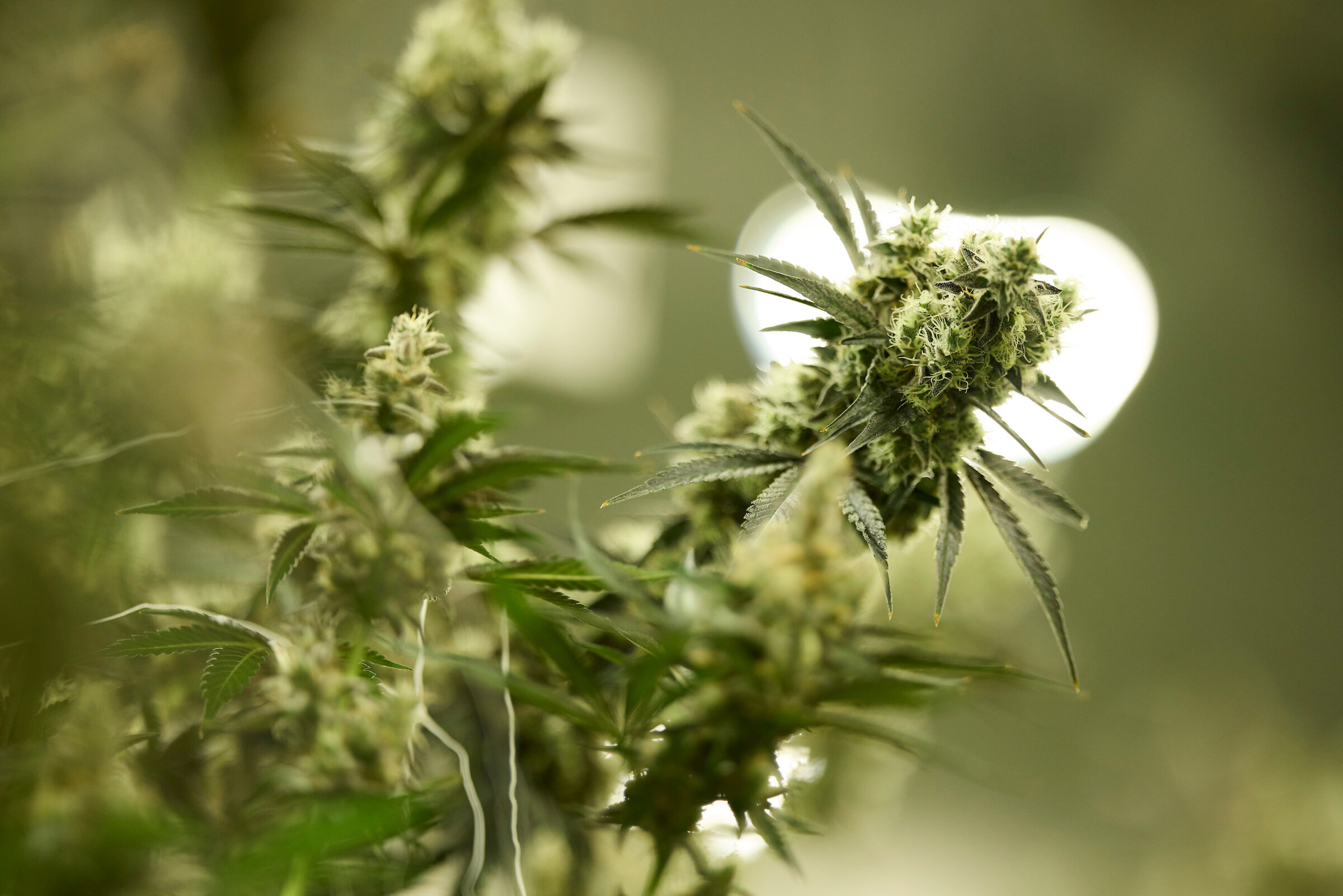
The Justice Department’s April decision to move medical cannabis to a lower-risk federal drug category could change how researchers study marijuana and how licensed medical businesses operate. A separate House bill aimed at expanding cannabis research adds another federal push at a time when states such as Nevada are weighing what the change means for sales, banking, taxes and tourism.
Riana Durrett, director of the University of Nevada, Las Vegas Cannabis Policy Institute, said the April 23 order from Acting Attorney General Todd Blanche marks the federal government’s first step toward legalizing medical marijuana. The Justice Department reclassified medical cannabis from Schedule I to Schedule III, while recreational cannabis remains in Schedule I pending a June 29 Drug Enforcement Administration administrative hearing, according to UNLV.
Medical operators may gain a federal path
Durrett said the rescheduling could allow state-licensed medical marijuana businesses to operate in compliance with federal law if they register with the DEA and follow federal rules. She said attorneys, advocates and scholars still differ on how broad the order’s effects will be and how far the federal government may go after this step.
One major business issue is taxation. Durrett said medical cannabis businesses could receive relief from the federal 280E tax rule, which bars companies handling Schedule I or II controlled substances from deducting many ordinary business expenses.
The order also raises practical questions that federal agencies have not fully answered, according to UNLV. Those include how DEA registration will work, how banking rules will apply, and whether businesses with combined medical and recreational licenses will receive protections under the medical cannabis framework.
Research access could broaden
The federal shift could also loosen restrictions for scientists already approved to study cannabis, Durrett said. Researchers would be able to obtain cannabis plants and products from state-licensed markets, including dispensaries, rather than relying on the small number of suppliers long used under federal rules.
Durrett said that change could help researchers study products closer to those consumers actually use. She also described marijuana research as an area with broad support across political parties, presidents and scientific organizations, including among some people who oppose legalization.
The timing overlaps with the reintroduction of the Higher Education Marijuana Act by Rep. Dina Titus, D-Nev., and Rep. Ilhan Omar, D-Minn. Durrett said the bill focuses on putting cannabis research efforts into practice while the Justice Department order reduces federal barriers for medical cannabis.
Nevada faces gaming and tourism questions
Nevada’s market may present a harder test because the state has moved to dual licenses that allow companies to operate in both medical and adult-use cannabis, Durrett said. She said Nevada projected cannabis would become a $40 million industry when voters legalized it in 2016, reached $1 billion in 2020 and now sits at about $750 million.
A recent Cannabis Policy Institute report cited by UNLV said Nevada’s rules keep cannabis businesses at least 1,500 feet from gaming establishments in large counties. Durrett said that separation makes cannabis less convenient for tourists, even though visitors can still buy it away from gaming properties.
Economist Robin Goldstein has argued, according to UNLV, that barriers limiting tourist access to cannabis reduce potential tax revenue without a matching public health or safety benefit. Durrett said medical rescheduling does not immediately change cannabis rules around gaming, but it may make restrictions harder to defend if medical operators are no longer federally illegal businesses.
Trade and state borders remain unsettled
Durrett said the Justice Department order could allow U.S. import and export of cannabis for the first time, placing the country closer to nations that have legalized medical marijuana, including Canada, Uruguay, Morocco and several European countries. She also said the United States remains bound by the United Nations Single Convention on Narcotic Drugs, which requires cannabis to remain scheduled.
Interstate commerce is another unresolved issue. Durrett said state cannabis systems were built to keep cultivation, transport, sales and production within state borders under federal guidance, and the rescheduling may eventually pressure that model for medical marijuana.
This story draws on original reporting from Medical Xpress.