
Immune cells tied to sleep apnea-related metabolic problems in mice
Marshall University researchers say depleting CD11b+ immune cells improved insulin sensitivity in a mouse model of sleep apnea-related oxygen drops.
By Priya Raghavan · Science Reporter
3 min read
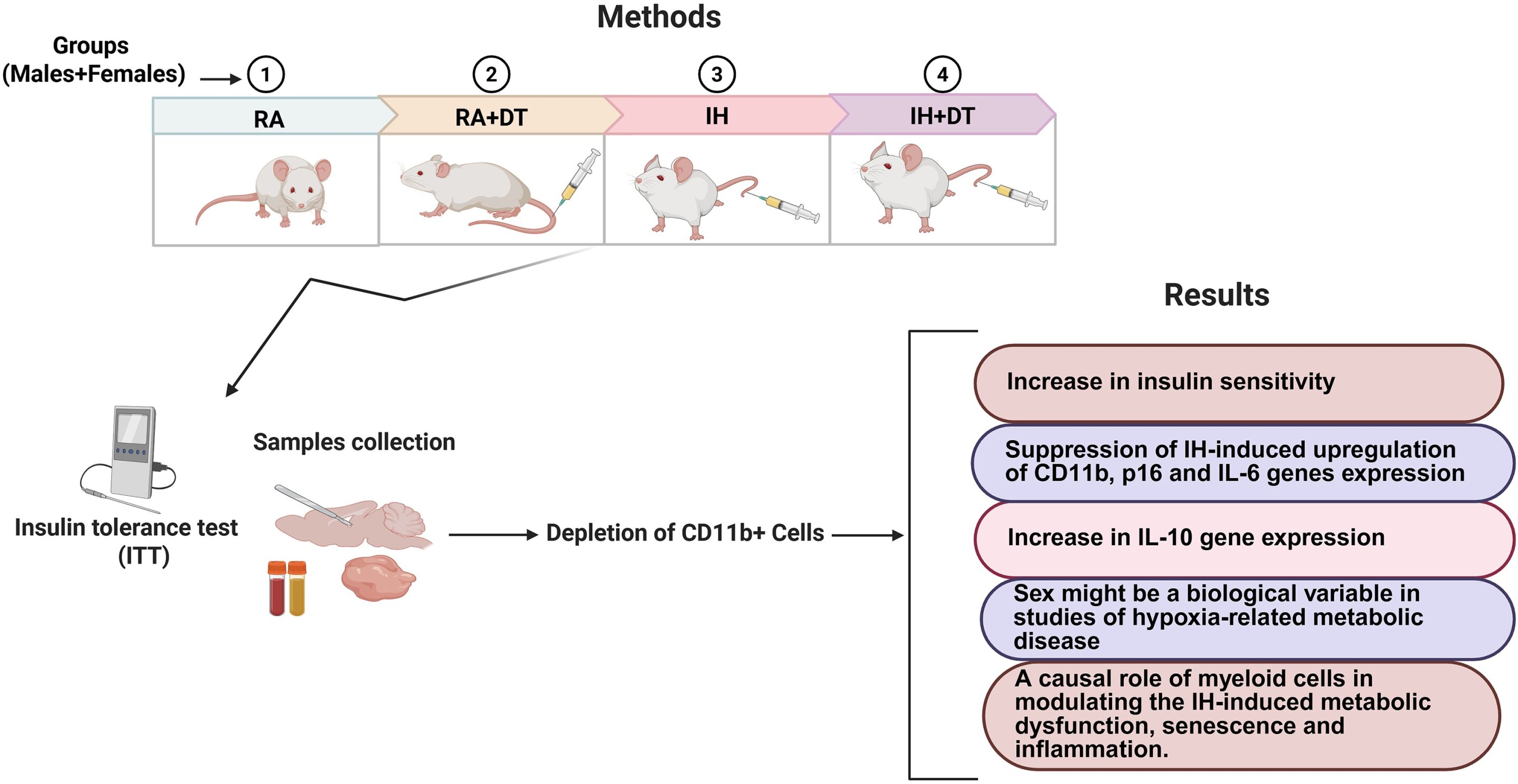
Marshall University researchers have identified immune cells that may help drive metabolic problems linked to obstructive sleep apnea, according to a study published in SLEEP. The finding matters because sleep apnea is associated with insulin resistance and other metabolic complications, but the biological steps connecting disrupted breathing to those outcomes remain under study.
The research focused on intermittent hypoxia, the repeated oxygen drops that occur during episodes of obstructive sleep apnea. Marshall University said the team examined how that pattern affects inflammation in metabolic organs, including visceral fat tissue and the liver.
In the mouse study, investigators looked at CD11b+ monocytes and macrophages, immune cells involved in inflammatory responses. The researchers reported that these cells appear to have a major role in inflammation and metabolic dysfunction triggered by intermittent hypoxia.
The team used a mouse model designed to reproduce the recurring oxygen deprivation seen in sleep apnea. Investigators then selectively depleted CD11b+ cells and measured metabolic changes in the animals, according to Marshall University.
The study found that removing those inflammatory immune cells improved insulin sensitivity in mice exposed to intermittent hypoxia. The researchers also reported less inflammatory cell infiltration in visceral white adipose tissue and the liver.
Those changes came with lower levels of biomarkers linked to chronic inflammation and cellular senescence, according to the paper. The authors said the results point to CD11b+ immune cells as contributors to metabolic impairment caused by intermittent hypoxia.
Abdelnaby Khalyfa, a professor of biomedical sciences at Marshall University's Joan C. Edwards School of Medicine and the study's lead author, said the work helps clarify biological links between obstructive sleep apnea and metabolic disease. Khalyfa said identifying the immune cells' role could support development of more targeted anti-inflammatory approaches aimed at long-term complications associated with sleep apnea.
The researchers also reported reductions in senescence-associated secretory phenotype, or SASP, markers after CD11b+ cell depletion. Marshall University said those markers included p16 and IL-16, suggesting the cells may take part in chronic inflammatory signaling and accelerated biological aging in metabolic tissues.
The paper, titled "Systemic depletion of CD11b+ cells improves metabolic function in murine model of sleep apnea induced by intermittent hypoxia," was authored by Khalyfa and colleagues and published in SLEEP. Marshall University said the findings support further study of therapies that target inflammatory immune responses in patients with obstructive sleep apnea.
The study was conducted in mice, so the findings do not establish that the same intervention would work in people. The research team framed the results as evidence for continued investigation into immune-targeted strategies for sleep apnea-related metabolic disease.
This story draws on original reporting from Medical Xpress.