
FDA peptide compounding list vote backs wider access to six peptides
A U.S. advisory panel recommended wider compounded-drug access for six peptides despite FDA staff and physician safety concerns.
By Priya Raghavan · Science Reporter
3 min read
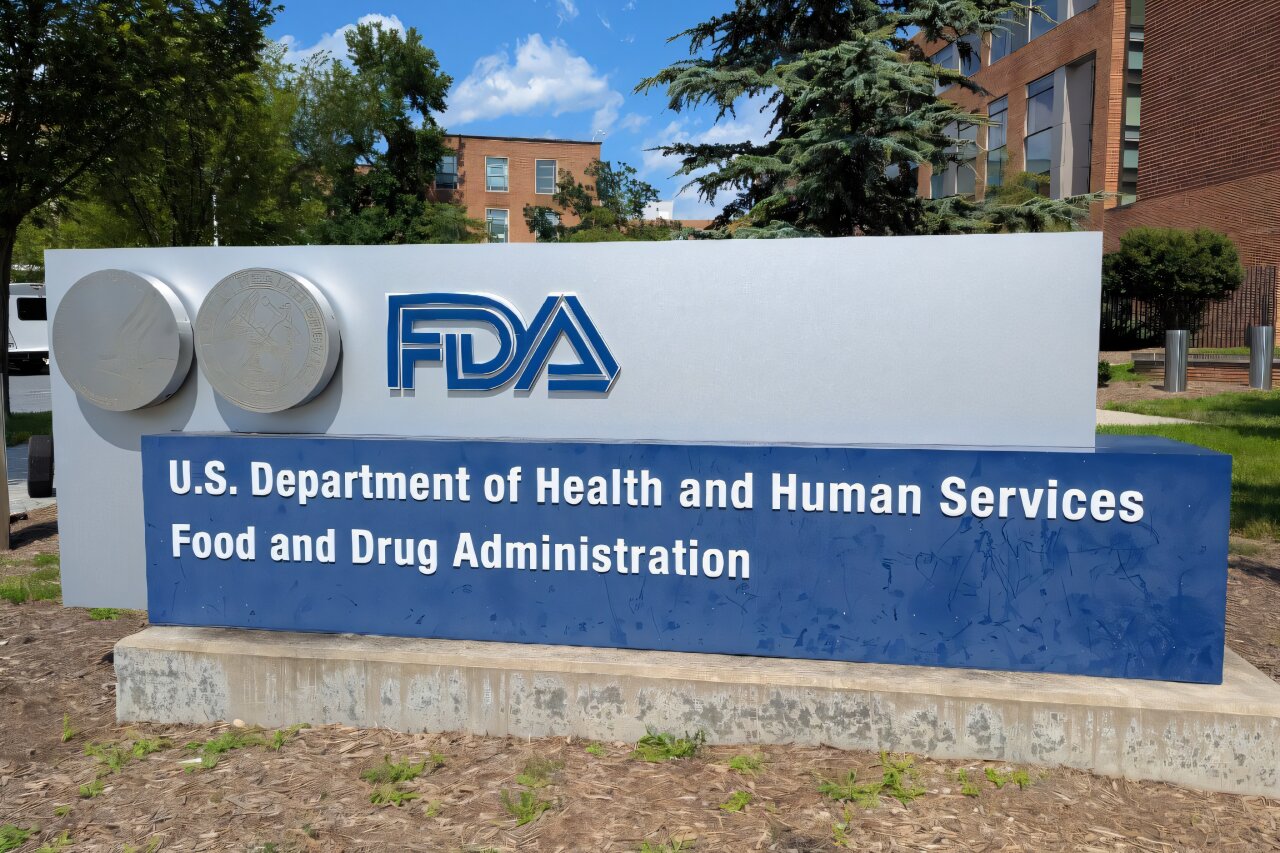
A U.S. advisory panel recommended adding six of seven reviewed substances to the FDA peptide compounding list, a step that could widen access to custom-made versions of products promoted by wellness clinics. AFP reported that the votes came despite objections from physicians, public health advocates and FDA career scientists who said the peptides lack adequate evidence on safety and effectiveness.
The panel advising the Food and Drug Administration finished a two-day review Friday by backing semax and epitalon for inclusion on the list. AFP reported that semax is marketed by wellness clinics for conditions including depression and anxiety, while epitalon is promoted for anti-aging purposes and insomnia.
The committee voted against adding emideltide, which AFP reported has been discussed for insomnia, narcolepsy and opioid withdrawal, along with other advertised uses such as stress, pain and cancer. David Pope, chief pharmacy officer at Xifin Pharmacy Solutions, cast the decisive vote against it after supporting the other peptides, citing “potentially dangerous downstream consequences,” according to AFP.
What is the FDA peptide compounding list?
The compounding list at issue governs which bulk drug ingredients compounding pharmacies may use when preparing customized medications for patients with specific prescriptions. Inclusion on that list would not mean the peptides are FDA-approved, AFP reported.
Compounded drugs can serve patients with particular medical needs, but they are different from FDA-approved medicines, which must pass agency review for safety, effectiveness and manufacturing quality. FDA staff member Russell Wesdyk told the panel Friday that public comments and committee discussion had identified quality concerns and naming problems that could make it harder to know exactly what the substances contain, AFP reported.
Wesdyk said he welcomed calls for quality safeguards but warned that the agency lacked the regulatory authority to impose those safeguards through the bulks list, according to AFP.
Which peptides did the panel support?
On Thursday, the committee recommended adding BPC-157, KPV, TB-500 and MOTS-c to the compounding list, AFP reported. Those votes preceded Friday’s recommendations for semax and epitalon.
Peptides are short chains of amino acids, the building blocks of proteins. AFP reported that while peptides occur naturally in the body, synthetic versions have become popular in wellness marketing, where promoters claim benefits including better skin, muscle growth, brain health and wound healing.
Medical experts told AFP there is little to no clinical evidence behind many of those claims. They also warned that broader access to poorly studied substances could steer patients away from treatments supported by stronger evidence.
The recommendations are advisory and do not bind the FDA. AFP reported, however, that the agency has historically given such panel recommendations significant weight.
Why the vote is controversial
AFP reported that the panel’s votes went against FDA career scientists, who had urged continued restrictions because of limited data and safety concerns. The peptides reviewed are among substances that the Biden administration had restricted from compounding, in part because of a lack of human clinical trial data.
Medical experts also accused Health Secretary Robert F. Kennedy Jr. of filling the advisory committee with members who have ties to the peptide industry, citing his personal interest in and use of the products, according to AFP.
Despite restrictions, AFP reported that peptides remain available online from chemical suppliers labeled for laboratory use. The FDA now must decide how much weight to give the panel’s recommendations.
This story draws on original reporting from Medical Xpress.