
Experts say sheets should usually be washed weekly
Laundry specialists say bedding needs regular cleaning, with more frequent washes for pillowcases, pet owners, allergy sufferers and hot sleepers.
By Tom Brennan · Health & Medicine Correspondent
3 min read
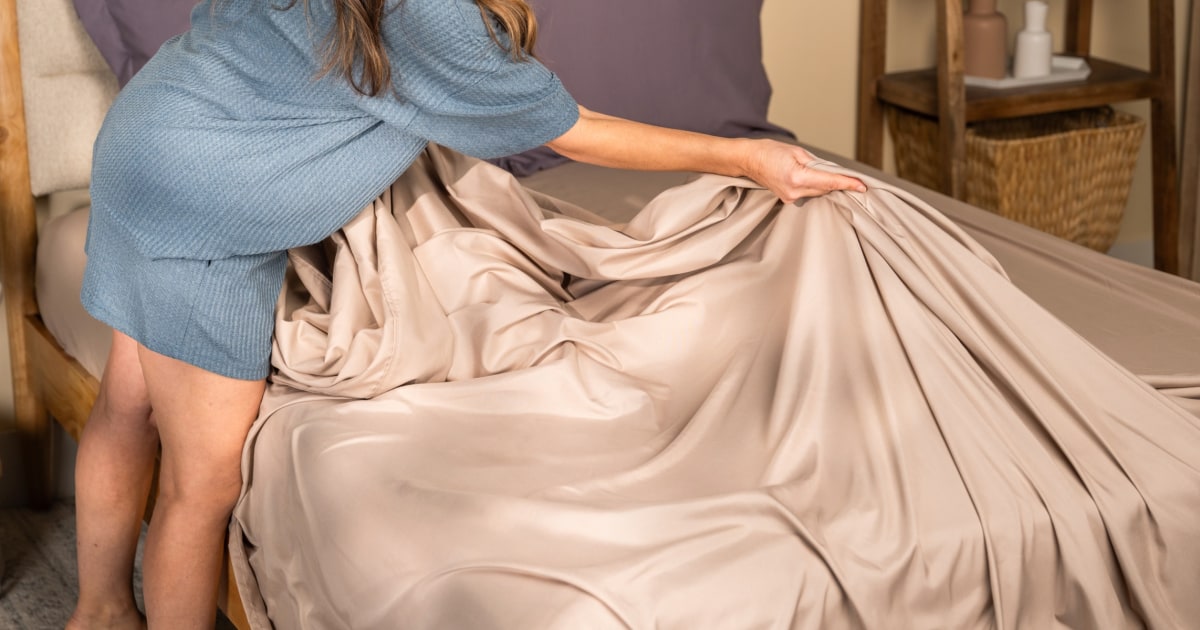
Laundry experts say most households should wash sheets about once a week to limit odors, stains and fabric wear. The schedule matters because bedding collects sweat, body oils, skin cells, personal care products, dust and other debris, according to fabric care scientist Kim Romine of Tide.
Salvador Villarreal, owner of San Diego-based VIP Cleaners and Laundry, told NBC Selected that the timing depends on the piece of bedding. Fitted and flat sheets can generally go in the wash weekly, while pillowcases need closer attention because they touch the face and hair nightly.
How often to wash each item
Villarreal recommends washing pillowcases every three to seven days. He advises cleaning duvet covers every two to four weeks and washing comforters or duvet inserts at least every three weeks.
For households with pets in the bed or people prone to allergies, Villarreal says the schedule should tighten. In those cases, sheets may need washing twice a week, and duvet covers and inserts should be cleaned about every two weeks rather than waiting as long as four weeks.
Mattress protectors can be washed less often, Villarreal says, with a general range of every one to two months. Romine says pet owners should also wash bedding more frequently because animals can leave hair, dander, dirt and outdoor debris in the bed.
Hot sleepers may need to change sheets every few days instead of weekly, according to the NBC Selected guidance. Romine says bedding that comes into regular contact with perspiration should be cleaned more often than the baseline recommendation.
When sheets need replacing
Regular washing does not mean sheets last indefinitely. Villarreal says sheets generally should be replaced every two to five years, depending on the type of bedding and how often it has been laundered.
Signs that sheets are past their useful life include persistent stains, thinning fabric, pilling, tears and reduced elasticity, according to Villarreal. Romine says fraying along seams and edges is another signal that laundering will not solve the problem.
Villarreal says duvet covers tend to last longer because they shield the comforter beneath them. Romine says fitted sheets often wear out sooner than other bedding because they face repeated friction from use.
How experts say to wash bedding
Villarreal recommends using warm water between 90 and 105 degrees Fahrenheit to clean sheets while reducing the risk of damage. He also advises against overloading the washing machine, since bedding needs space for water and detergent to move through the fabric.
Romine says sheets and other bedding should be washed separately from towels and other laundry. She says bedding can carry enough sweat, oils and skin cells that a crowded load may not rinse or clean effectively.
Villarreal says using too much detergent can leave residue that makes fabric feel stiff. He recommends drying bedding on medium heat and removing it from the dryer promptly to reduce wrinkles and help preserve the fabric.
This story draws on original reporting from NBC News.