
Study links infant museum remains to colonial-era inequality
Researchers say a New Zealand anatomy collection shows how medicine drew on babies from marginalized families and institutions.
By Tom Brennan · Health & Medicine Correspondent
3 min read
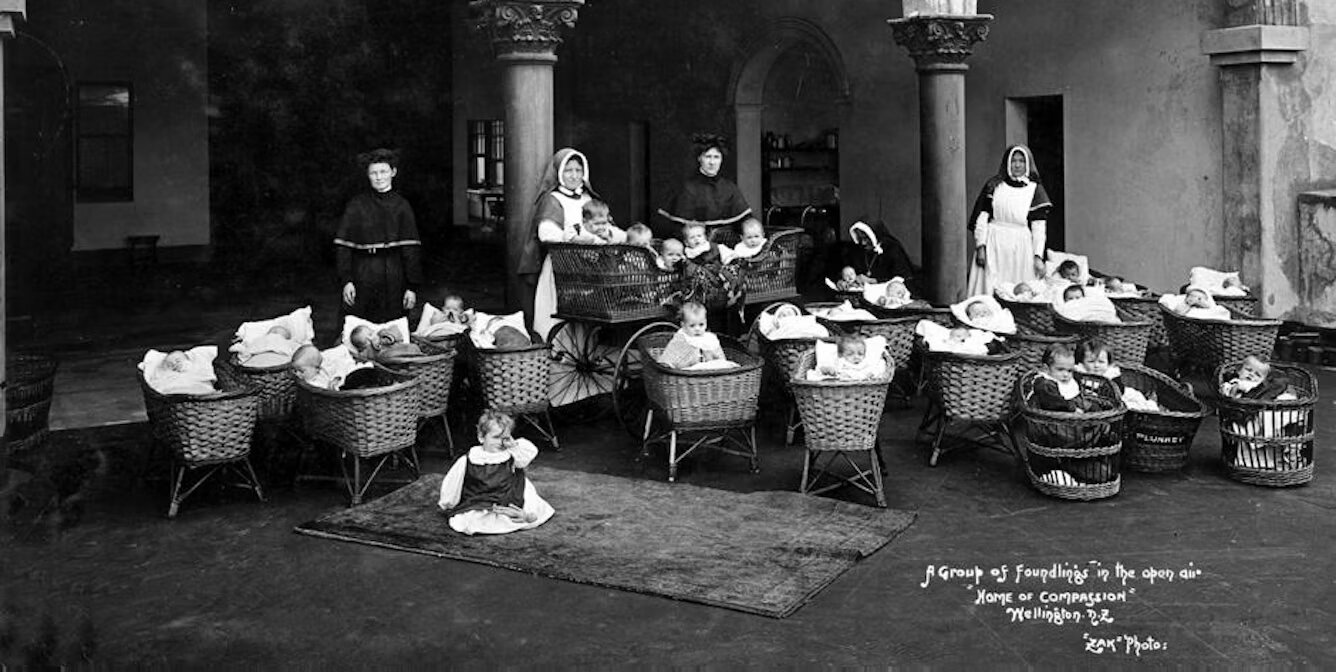
A study of fetal and infant remains held by the University of Otago’s W.D. Trotter Anatomy Museum found that many were taken from families with little power over what happened after death. The findings matter because medical museums still present such remains as scientific material while often saying little about the lives behind them, researchers Siân Halcrow and Rebecca Gowland wrote in The Conversation.
Halcrow and Gowland examined a collection assembled in early colonial New Zealand from the 19th century into the early 20th century. They reported that fetuses and infants born outside marriage, born with congenital conditions or born to institutionalized mothers were more likely to enter anatomical collections.
The researchers said the pattern reflected wider social controls around pregnancy, childbirth and death during a period when eugenic thinking influenced medicine in New Zealand and across the West. In that context, they wrote, some children were treated as less worthy of care while their bodies were considered useful for teaching and research.
Medical collections and missing histories
Human remains have long been used in medical teaching, and some museums continue to display them. The Conversation cited London’s Hunterian Museum at the Royal College of Surgeons, which includes the Evelyn tables, 17th-century preparations showing dissected blood vessels and nerves from an unidentified adult.
The researchers also pointed to Museum Vrolik in Amsterdam, known for holdings that include embryos, fetal skeletons and preserved fetuses with congenital anomalies. Halcrow and Gowland said such displays are usually framed around anatomy or disease, while acquisition histories and personal identities are often absent.
In the Otago collection, the researchers found weak links between physical remains and individual records. They said that once babies entered the museum, they were treated as specimens that illustrated development or pathology rather than as named children with families and histories.
Institutions shaped who was collected
According to Halcrow and Gowland, unmarried pregnant women and mothers in the period faced close surveillance and were often sent to mother and baby homes. They said those institutions were designed to reform women judged as morally fallen and often imposed labor and discipline.
The Conversation cited historical research and investigations in Ireland, England, the United States, Canada, Sweden, Australia and New Zealand that documented abuses in such institutions, including forced adoptions, neglect and high infant mortality. Halcrow and Gowland said babies labeled illegitimate were more likely to be born in poorly resourced settings and less likely to survive.
The researchers said growing medical involvement in childbirth also placed more deliveries under institutional control, often in systems dominated by male doctors. Under New Zealand anatomical law at the time, doctors could keep bodies for scientific use, in some cases without parents knowing or consenting, they wrote.
They also described burial and mourning practices that gave mothers limited authority. Halcrow and Gowland said deceased infants were sometimes removed quickly because institutions assumed mothers should not see or grieve them, while some very small fetuses were treated as clinical waste despite later being used for anatomy teaching.
Disability and eugenic language
Several infants in the Otago collection had congenital differences, according to the researchers. They said such bodies were sought by physicians as examples of pathology at the same time eugenic beliefs devalued disabled lives.
One archival record for the W.D. Trotter Anatomy Museum described an infant sent from outside the region as “Imperfect development. Anencephaly. Monster,” Halcrow and Gowland wrote. They said the wording showed how medical classification and stigma could strip children of humanity.
The researchers concluded that anatomy collections are not only records of medical learning. They also preserve evidence of inequality, social judgment and loss, especially for mothers and babies whose choices were restricted by poverty, institutional control and stigma.
This story draws on original reporting from Medical Xpress.