
Dual-targeting cancer compounds show promise against resistant tumors
Technion-led researchers report that new PROTAC molecules destroyed resistant cancer cells in lab tests while sparing healthy cells.
By Priya Raghavan · Science Reporter
3 min read
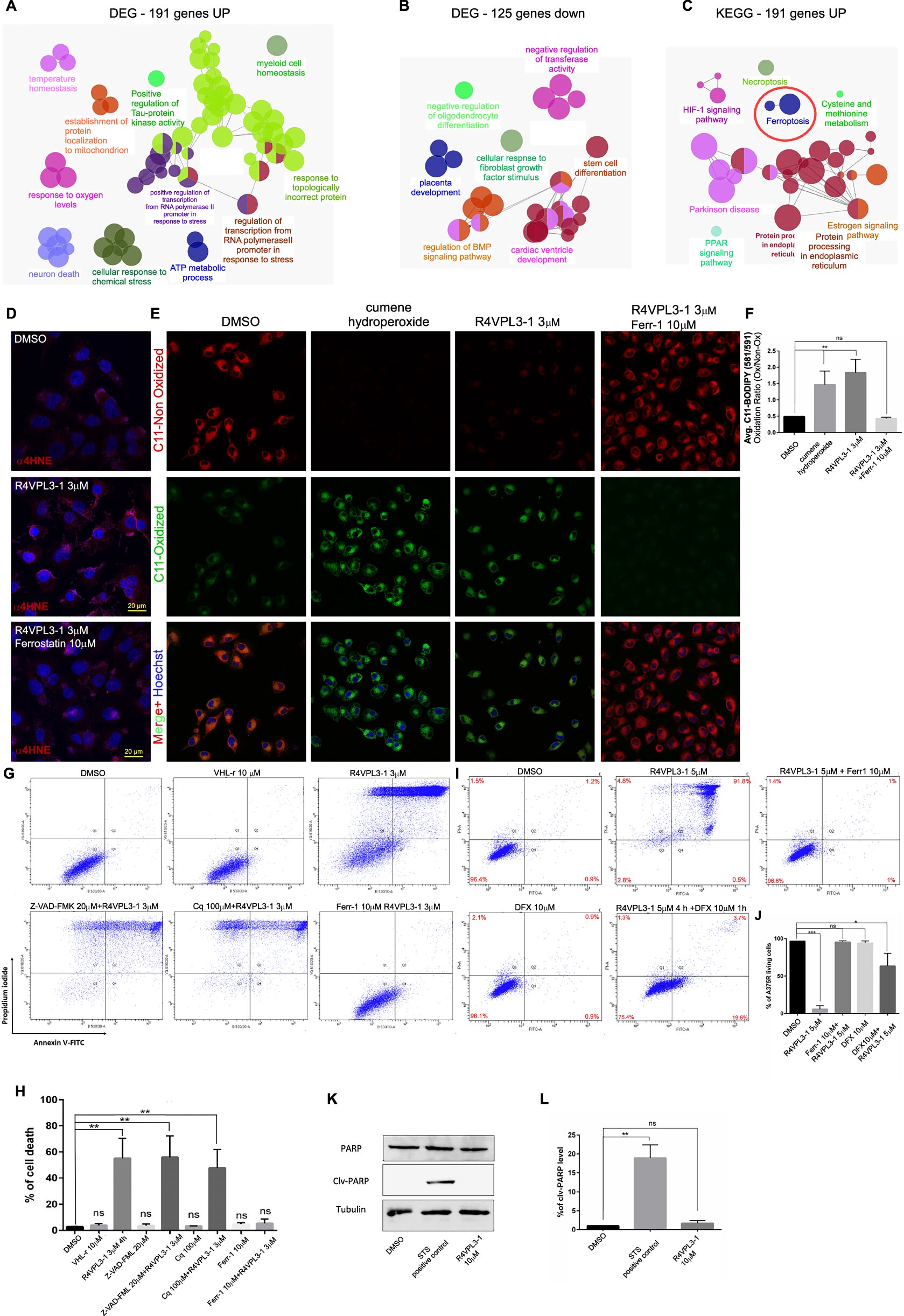
Technion-led researchers have developed experimental compounds that attack resistant cancer cells by breaking down two proteins at the same time. The work, published in Oncogene, points to a possible route for treating aggressive tumors that no longer respond to existing molecular therapies.
The study focused on a new class of molecules called R4VPs, which belong to the broader family of PROTACs, or protein-targeting chimeras. According to the researchers, these molecules do more than block a cancer-related protein’s activity; they mark selected proteins for destruction through the ubiquitin pathway, a cellular system that removes unwanted proteins.
Targeting two cancer defenses
Aggressive cancers such as melanoma and bone tumors known as sarcomas can become resistant to targeted treatments, leaving patients with limited options, the Technion-Israel Institute of Technology said. The researchers said these cancer cells often rely on oncoproteins for survival and can also avoid programmed cell death.
The R4VP compounds were designed to degrade RNF4, an enzyme linked to the stability of oncoproteins, and VHL, an enzyme that blocks ferroptosis, a form of programmed cell death. The Technion team said it is the first to develop a dual-targeting PROTAC aimed at both of those proteins.
In laboratory experiments, exposure to the compounds killed cancer cells within a few hours, according to the study. The researchers reported strong effects against cells that had developed resistance to existing therapies and against several kinds of bone cancer cells taken directly from patients’ tumors during surgery.
Selective action in early tests
The researchers also reported that the compounds showed high selectivity, acting mainly against cancer cells while sparing healthy cells. Technion said that selectivity could help avoid side effects associated with chemotherapy and other standard cancer treatments, though the approach has not yet been tested in patients.
The work was led by Dr. Avital Oknin Vaisman and Dr. Deepanjan Panda in the laboratories of Prof. Amir Orian, head of the Rappaport Center for Cancer Research at Technion and a faculty member in the Ruth and Bruce Rappaport Faculty of Medicine, and Prof. Ashraf Brik of the Schulich Faculty of Chemistry.
The study also included research groups led by Prof. Markus Diefenbacher of the Helmholtz Munich Research Center and Prof. Torsten Mosler of Goethe University Frankfurt.
More testing needed
The researchers said the findings could support development of precision medicines for treatment-resistant cancers. They also stressed that the compounds remain at an early stage and require testing in mouse models and human clinical trials before researchers can assess safety and effectiveness for medical use.
The paper, “Discovery of ferroptosis-inducing R4VP compounds for targeting aggressive cancers,” was published in Oncogene in 2026.
This story draws on original reporting from Medical Xpress.