
Poor sleep tied to higher fatty liver risk in type 2 diabetes
A study of 1,900 adults with type 2 diabetes found nighttime sleep patterns and longer naps were linked to higher MASLD risk.
By Priya Raghavan · Science Reporter
3 min read
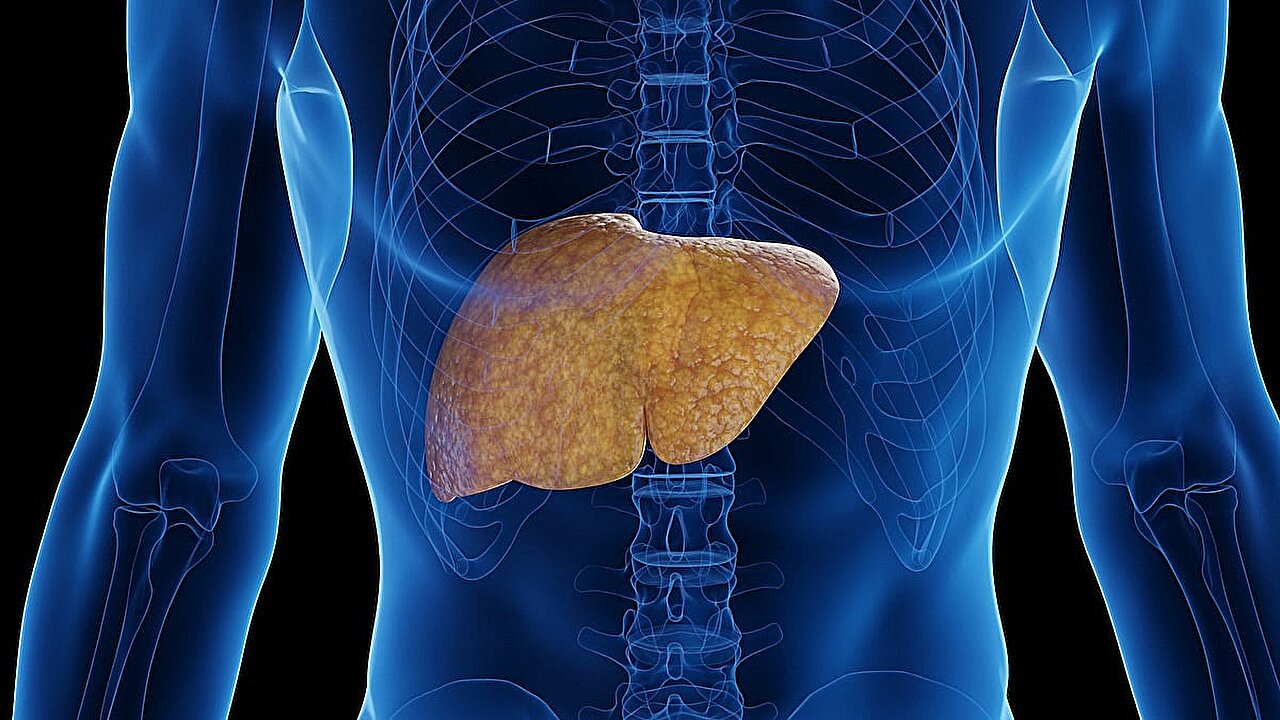
Adults with type 2 diabetes who had poorer nighttime sleep faced a higher risk of metabolic dysfunction-associated steatotic liver disease, according to researchers writing in Diabetology & Metabolic Syndrome. The findings suggest sleep habits could help clinicians identify diabetes patients at greater risk for the liver condition, the study authors said.
Meng Zhu of the First Affiliated Hospital of Wenzhou Medical University in China and colleagues studied the link between sleep patterns and MASLD in people with type 2 diabetes. Their analysis included 1,900 adults ages 18 to 85 who were followed for an average of 3.2 years, according to the journal report.
MASLD is the current term for fatty liver disease associated with metabolic dysfunction. The study focused on how nighttime sleep patterns and nap length related to future risk among people already living with type 2 diabetes, a group with metabolic risk factors.
The researchers found that four nighttime sleep factors, along with nap duration, were positively associated with MASLD. For adverse sleep behaviors, the reported hazard ratios ranged from 1.64 to 2.26, according to the study.
Longer naps added risk in the analysis
The team grouped participants by nighttime sleep pattern and nap duration. Compared with people who had a good nighttime sleep pattern and short naps, those with a good nighttime sleep pattern but long naps had a higher MASLD risk, with a hazard ratio of 1.88, the researchers reported.
The association was stronger for participants with poor nighttime sleep. A poor nighttime sleep pattern with short naps was linked to a hazard ratio of 2.54, while a poor nighttime sleep pattern with long naps was linked to a hazard ratio of 3.51, according to Zhu and colleagues.
Naps longer than 30 minutes were also associated with increased MASLD risk in the researchers’ analysis. The study reported a hazard ratio of 1.82 for people with good nighttime sleep and long naps, and 1.40 for people with poor nighttime sleep and long naps.
Sleep data improved a liver-risk tool
The researchers also tested whether sleep information improved risk prediction when added to the Fatty Liver Index. They reported a net reclassification improvement of 0.21 and an integrated discrimination improvement of 0.06 after sleep modes were incorporated into the index.
Zhu and colleagues said sleep behavior could support earlier screening and intervention strategies for people at high risk, with the aim of reducing or delaying MASLD progression. The study reported associations, and the summary did not state that poor sleep or napping directly caused liver disease.
The study, titled “Combined nocturnal sleep pattern and napping duration in relation to metabolic dysfunction-associated steatotic liver disease risk and prediction in type 2 diabetes mellitus,” was published online June 22 in Diabetology & Metabolic Syndrome.
This story draws on original reporting from Medical Xpress.