
Exercise-based walking tests may refine youth concussion clearance
Researchers found exertion followed by gait and cognitive testing revealed lingering changes in adolescents cleared after sports concussions.
By Priya Raghavan · Science Reporter
3 min read
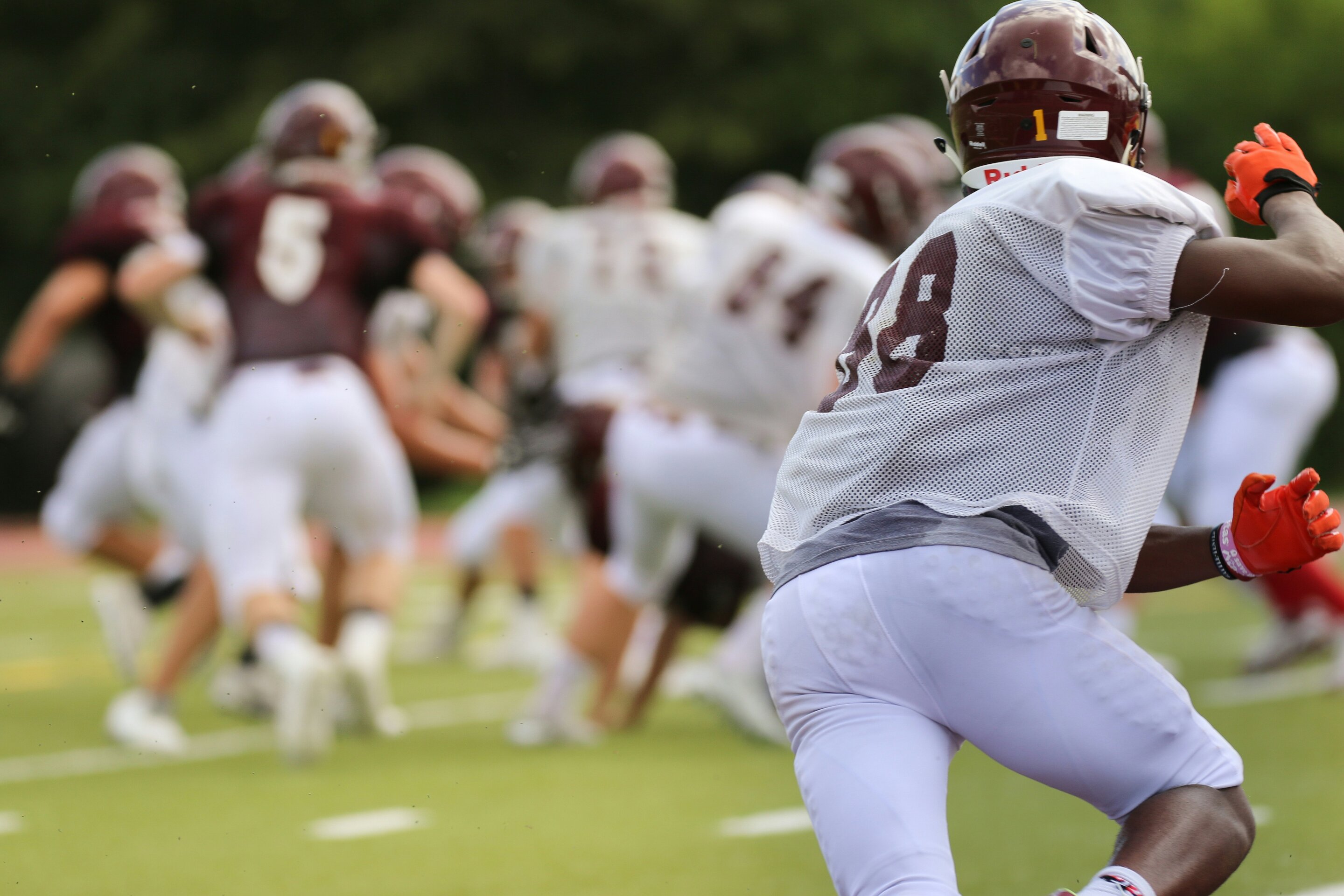
Exercise followed by walking and thinking tests may help clinicians judge whether young athletes have fully recovered from concussion, according to researchers at UT Southwestern Medical Center and Scottish Rite for Children. Their pilot study found measurable changes after exertion in adolescents who had already been cleared to return to sports.
The study, published in the Clinical Journal of Sport Medicine, examined whether physical effort could expose lingering changes in movement control or cognition. UT Southwestern said the findings could add useful information to return-to-play decisions, which often depend heavily on whether symptoms have resolved.
Sports-related concussions affect between 1 million and 2 million U.S. children under 18 each year, according to the researchers. UT Southwestern said athletes who resume activity too soon face risks that include longer recovery and higher rates of musculoskeletal injury linked to neurological deficits.
How the test worked
The research team was led by Shane Miller, a professor of orthopedic surgery and pediatrics at UT Southwestern and a sports medicine physician at Scottish Rite for Children. The work took place at the Scottish Rite for Children Movement Science Lab.
Researchers enrolled 30 young patients who had sustained sports-related concussions and had been cleared to return to play. The team assessed each participant’s walking and cognitive performance before and after a 10-minute stationary bike test performed at 70% of the patient’s maximum heart rate, known as the Buffalo Concussion Bike Test.
Before the bike test, the adolescents completed three walking tasks. They walked 10 meters normally, walked 10 meters while repeating number sequences backward, and walked 10 meters while typing sentences into a smart device. After the exertion test, they repeated the gait assessments.
After exercise, participants walked the second simple 10-meter trial significantly more slowly and took shorter steps than they had before exertion, according to the study. During the walking tasks that included cognitive demands, their walking speed and step length increased, which the researchers said may reflect growing familiarity with those tasks.
The study also found that sentence completion during the multitask walk improved after exertion, rising from 77% before the bike test to 90% afterward. Miller said exercise may have contributed to that cognitive improvement because physical activity can have a positive effect on brain recovery and performance.
Why clinicians are looking beyond symptoms
Concussions can occur when a blow to the head or body causes a traumatic brain injury, according to UT Southwestern. Standard exams used to clear young athletes commonly focus on symptom improvement, but the researchers said those checks may not fully test whether a patient can control movement in complex sports settings.
Miller said the study suggests that even adolescents cleared after concussion can show meaningful differences in function and cognition when tested after exertion. He said clinicians may need additional ways to evaluate brain recovery before deciding whether an athlete is ready for sports.
The researchers said they did not expect severe movement deficits because participants had been cleared to return to play within two weeks of the study. Even so, they said the results point to a possible role for post-exertion gait testing, especially when combined with cognitive tasks that more closely resemble the demands athletes face during play.
UT Southwestern said the study builds on work from ConTex, a concussion registry launched by the university in 2015. The registry collects long-term data on sports-related concussions and other mild traumatic brain injuries, with a focus on adolescent injuries.
This story draws on original reporting from Medical Xpress.