
Shared liver-stage malaria markers point to T-cell vaccine path
OHSU-led researchers say parasite fragments seen in the liver could help design a broader, longer-lasting malaria vaccine.
By Priya Raghavan · Science Reporter
3 min read
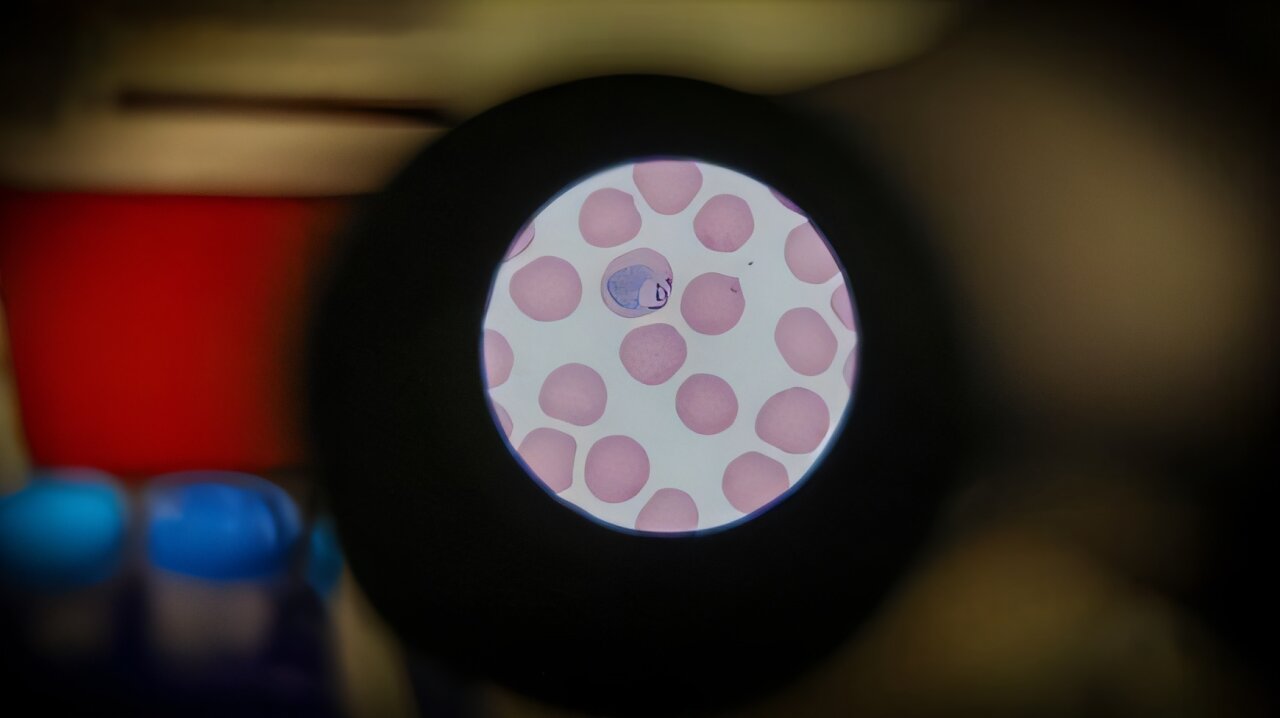
Researchers say they have identified malaria parasite targets in the liver that could help guide development of a broad T cell-based vaccine. The finding matters because the liver is where the parasite first takes hold in the body, creating a narrow window for stopping infection before it spreads.
The work, led by Oregon Health & Science University researchers and collaborators in several countries, was published in Nature. OHSU said the study found parasite protein fragments that can be recognized by T cells, immune cells that identify and attack infected cells.
Brandon Wilder, an immunologist and associate professor in OHSU’s Vaccine and Gene Therapy Institute, was a co-senior author on the study. He said a malaria vaccine built around T cells has been a long-running goal in the field.
Most current malaria vaccine strategies rely on antibodies, according to OHSU. Wilder said a T cell-focused approach could remain active for years or decades, while existing antibody-based malaria vaccines require yearly boosters.
The study began with blood samples collected and analyzed by researchers in Brazil from people infected in South America, OHSU said. The team found that infected cells presented distinct parasite fragments to the immune system, and those fragments were also shared by malaria parasites from Africa.
The researchers also reported that the fragments appeared to be presented by HLA-E, an immune system component that is nearly identical across people, according to OHSU. That feature is central to the vaccine idea because a target shared across populations and parasite species could support a vaccine with broader reach.
For the finding to support a universal vaccine strategy, however, researchers needed to show the immune system could detect the same targets in the liver as well as in the blood. OHSU said that step was made possible by veterinary surgeons at the Oregon National Primate Research Center, who developed a minimally invasive liver biopsy method for nonhuman primates.
Using that animal model, OHSU researchers found that the immune system recognized the parasite fragments in the liver, the organ where malaria infection is first established. Wilder said the OHSU team’s role was to connect observations from infected people with a practical route toward vaccine development.
OHSU said researchers are now testing the first vaccine candidates based on the findings in the animal model. The report does not describe an approved vaccine or human efficacy results.
Malaria is caused by parasites transmitted through mosquito bites and affects hundreds of millions of people each year, according to OHSU. The university said the disease remains a leading threat to children worldwide, and Wilder’s group is pursuing several lines of research aimed at eradicating it.
The Nature paper is titled “Identification of cross-stage, cross-species malaria CD8+ T cell antigens.” Its listed DOI is 10.1038/s41586-026-10730-1.
This story draws on original reporting from Medical Xpress.