
Engineered gut bacteria pancreatic cancer therapy works in animal study
University of Chicago researchers say BifidoSumIL-2 slowed pancreatic tumors in animal models and worked better with standard therapies.
By Priya Raghavan · Science Reporter
3 min read
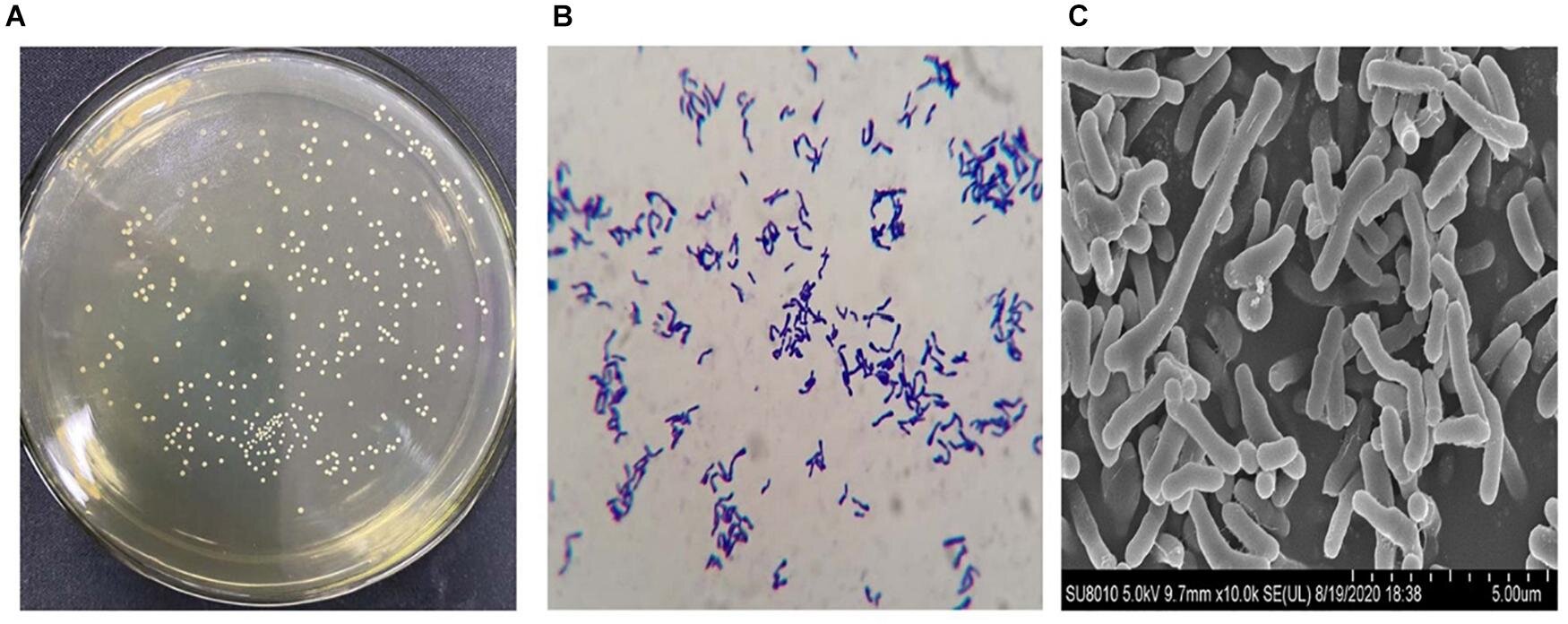
Engineered gut bacteria pancreatic cancer therapy slowed tumor growth in animal models, University of Chicago researchers reported in a study published in Science Advances. The work matters because pancreatic tumors often resist immune-based treatments by creating conditions that keep cancer-fighting immune cells from mounting a strong response.
The experimental treatment, called BifidoSumIL-2, uses an engineered strain of Bifidobacterium longum, a probiotic bacterium found in the gut, to carry an immune-stimulating payload into tumors. According to the University of Chicago team, the therapy accumulated in tumors, activated T cells and reduced pancreatic tumor growth in animal testing.
How could engineered gut bacteria treat pancreatic cancer?
Pancreatic tumors can form a low-oxygen, immune-suppressing environment often described as “cold,” meaning immune cells are present in too few numbers or are not active enough to attack effectively. The Chicago researchers designed bacteria that prefer low-oxygen conditions to deliver an engineered immune molecule at the tumor site.
BifidoSumIL-2 is built to release SumIL-2, a modified form of interleukin-2. IL-2 can stimulate T cells, but standard IL-2 therapy can also cause harmful side effects and may activate regulatory T cells that dampen antitumor immunity, according to the researchers.
The team said SumIL-2 was engineered to favor cancer-fighting T cells while limiting activation of regulatory T cells. By putting that molecule into Bifidobacterium longum, the researchers aimed to concentrate the immune signal where tumors provide the low-oxygen conditions the bacteria can use.
Why Bifidobacterium was used
Mark Mimee, an assistant professor of microbiology at the University of Chicago, said the bacterium is an obligate anaerobe, meaning it does not grow in the presence of oxygen. After injection, the researchers said, oxygen-rich healthy tissues are less favorable for the bacteria, while low-oxygen tumor regions can support bacterial activity.
The University of Chicago team described the bacteria as small drug-producing vehicles inside tumors. The researchers also noted that Bifidobacterium has a favorable safety profile in preclinical models and is widely recognized as a probiotic organism.
Engineering the organism was a technical challenge, Mimee said, because it grows slowly, requires low-oxygen handling and has fewer genetic tools available than common lab bacteria such as E. coli. The project drew on microbiology, synthetic biology, oncology and immunology expertise, according to the researchers.
Combination treatment improved results
In animal models, BifidoSumIL-2 increased activity of CD8+ T cells, a class of immune cells that can kill cancer cells, according to the study. The treatment also altered the tumor microenvironment in ways the researchers linked to stronger antitumor immune activity.
The effect improved when the bacterial therapy was paired with chemotherapy, radiation therapy or anti-PD-L1 immunotherapy. Ralph Weichselbaum, chair of radiation and cellular oncology at the University of Chicago, said the combination results were among the study’s main findings.
The treatment has not been tested in people. The researchers said future work must examine long-term safety, possible effects outside tumors, how long the immune response lasts and whether oral delivery could work instead of injection.
The team also said it wants to study the approach with newer pancreatic cancer treatments, including KRAS inhibitors. The paper, by Jaehyun Lee and colleagues, is titled “Engineered probiotic Bifidobacterium for tumor-targeted pancreatic cancer therapy.”
This story draws on original reporting from Medical Xpress.