
Endotrophin biomarker tracks body fat changes in obesity research
A Metabolism study found endotrophin rises with fat gain and falls with fat loss, pointing to a possible marker of metabolic risk.
By Tom Brennan · Health & Medicine Correspondent
3 min read
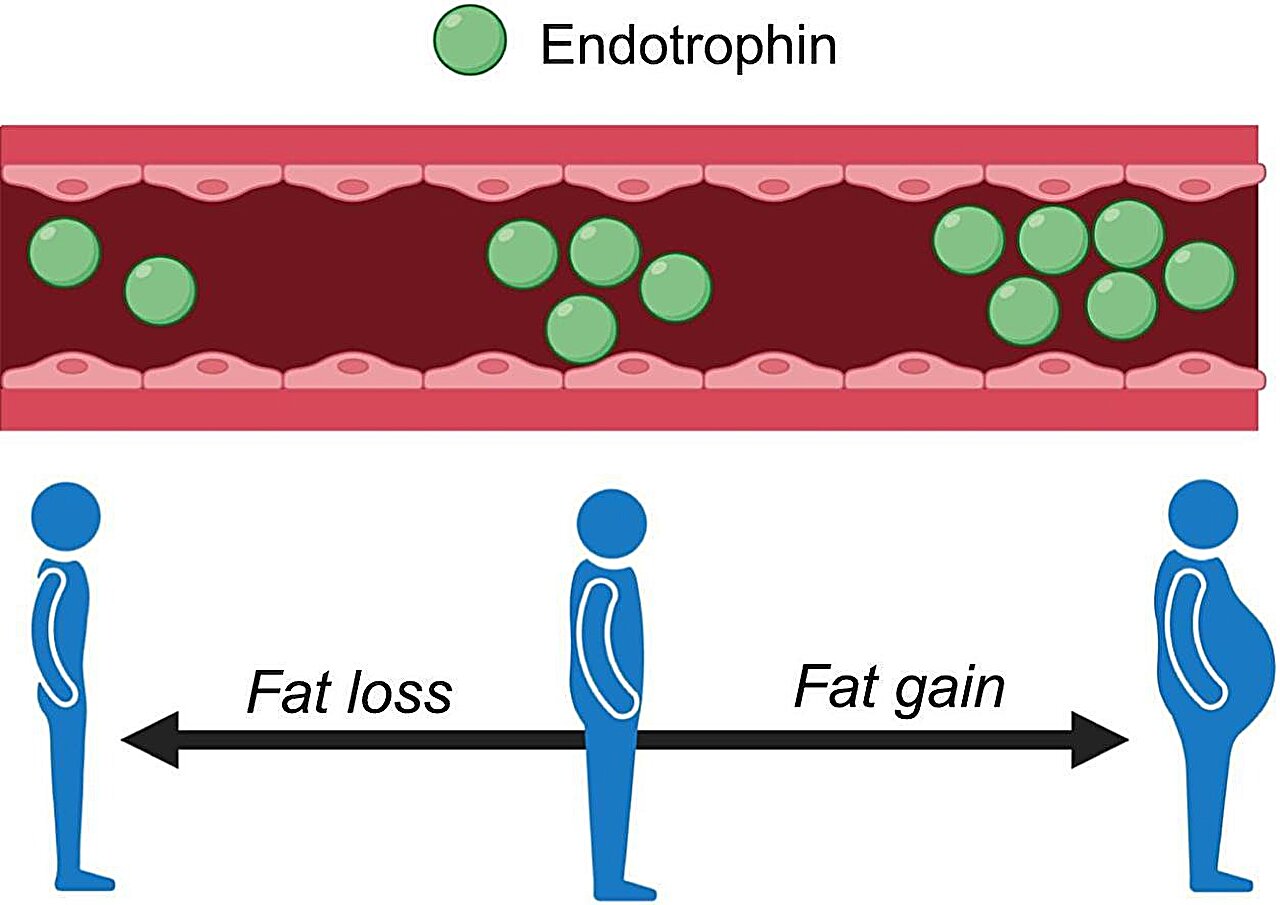
A new endotrophin biomarker finding may help researchers track how gains and losses in body fat relate to metabolic health. The study, published in Metabolism, found that circulating endotrophin increased when healthy adults gained fat and declined when they lost fat.
Researchers from LSU’s Pennington Biomedical Research Center, Pontificia Universidad Católica de Chile, the Touchstone Diabetes Center at the University of Texas Southwestern and the Texas Therapeutics Institute at the University of Texas Health Science Center at Houston took part in the work, according to Pennington Biomedical.
The findings point to endotrophin as a possible way to monitor metabolic health and as a candidate for future obesity-related treatments. The researchers said more studies are needed to test whether reducing endotrophin can improve health outcomes in people with obesity or metabolic disorders.
What is endotrophin?
Endotrophin is a protein fragment released as fat tissue grows and changes structure, according to the study authors. Because it shifted as fat mass changed, the researchers said it may reflect active remodeling in fat tissue rather than serving only as a broad marker of body size.
Pennington Biomedical said the study, titled “Dynamic Regulation of Circulating Endotrophin by Changes in Fat Mass in Humans,” examined endotrophin levels across two clinical studies involving 73 healthy adults.
How did the researchers study body fat changes?
One clinical study looked at several six-month weight-loss approaches, including calorie restriction and higher physical activity. The other tested the effects of eight weeks of controlled overfeeding, according to Pennington Biomedical.
Across the two studies, changes in body fat ranged from an 11-kilogram loss, or about 24 pounds, to a 7-kilogram gain, or about 15 pounds. The research team reported a strong link between changes in fat mass and changes in circulating endotrophin.
When participants gained body fat, endotrophin levels rose. When they lost body fat, endotrophin levels fell, according to the study.
Dr. Eric Ravussin, an LSU Boyd Professor at Pennington Biomedical, said the results show endotrophin closely follows fat changes over short periods of both gain and loss. He said the finding may help explain how excess body fat contributes to metabolic complications and could guide future treatment research.
Why could this matter for obesity-related disease?
The researchers also found evidence that endotrophin may partly account for the connection between higher body fat and increased total cholesterol. That finding suggests the molecule could be involved in pathways that contribute to metabolic disease, according to the study authors.
Dr. Philipp Scherer, director of the Touchstone Diabetes Center and senior author of the study, said the rapid shifts in endotrophin make it a dynamic signal of changes in fat tissue. He said treatments aimed at endotrophin could one day be studied alongside weight-loss approaches to address harmful effects tied to dysfunctional fat tissue.
Dr. Jennifer Rood, interim senior vice chancellor and executive director of Pennington Biomedical, said understanding signals produced by fat tissue is needed to build more precise strategies for preventing and treating obesity-related diseases. She also said the study shows how collaboration can help translate metabolism research into knowledge that may improve chronic disease prevention and treatment.
This story draws on original reporting from Medical Xpress.