
Dermatologists warn heat rash and sun poisoning need different care
Heat rash stems from trapped sweat, while sun poisoning refers to severe sunburn symptoms that can require urgent medical care.
By Tom Brennan · Health & Medicine Correspondent
3 min read
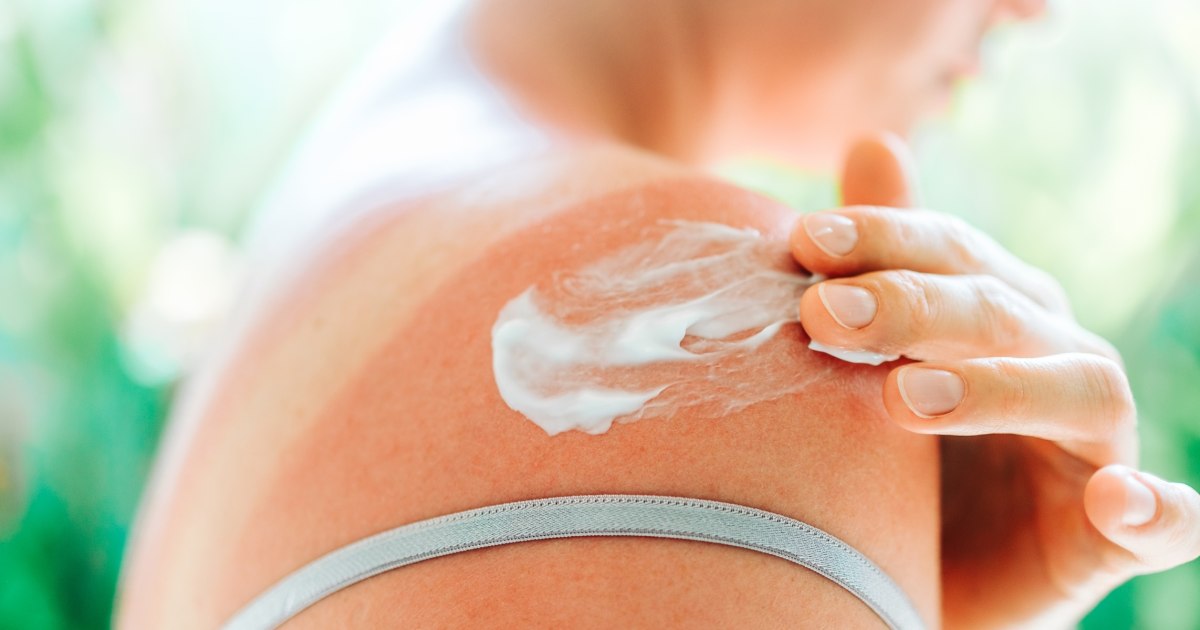
Dermatologists are urging people to distinguish heat rash from severe sunburn as high temperatures and strong sun exposure raise the risk of both skin problems. The conditions can look similar to people after a hot day outside, but Caren Campbell, a board-certified dermatologist in San Francisco, said they have different causes and treatments.
Campbell described heat rash, known medically as miliaria, as skin inflammation that develops when sweat ducts are blocked and sweat gets trapped below the skin. She said it can appear as small red bumps or clear blisters, often on the neck, chest, arms or in skin folds such as the groin and underarms.
The rash may itch or feel prickly, Campbell said. Hot, humid conditions and extended sweating are common triggers, and tight clothing can worsen the problem by holding moisture against the skin, she said.
How heat rash differs from sunburn
Campbell said heat rash is separate from sunburn because sunburn is damage to skin cells caused by ultraviolet radiation. Heat rash can develop indoors or outdoors if the skin stays hot and sweaty, she said.
To lower the risk of heat rash, Campbell advised keeping skin cool and dry. She recommended breathable clothing, sweat-wicking fabrics, avoiding long stretches in heat and sun, and using tools such as a handheld fan to help dry sweat.
Campbell also advised avoiding heavy creams on the face and body because they can clog sweat ducts. If a rash develops, she said a gentle antibacterial cleanser may help because bacteria on the skin can contribute to blocked ducts; topical hydrocortisone can be used when itching is present.
Children can be more prone to heat rash
Jennifer Mancuso, a pediatric dermatologist at the University of Michigan, said heat rash is common in infants and toddlers because their skin is more sensitive than adult skin. Mancuso said it often shows up as small red bumps.
Mancuso said breathable clothing that keeps children cool and limits sweating is one way to reduce risk. She said fevers can make that harder for some infants and children.
If a child’s heat rash is itchy, Mancuso recommended topical cortisone or an over-the-counter fragrance-free moisturizer for sensitive skin. Campbell also endorsed fragrance-free options for irritated skin.
What people call sun poisoning
Campbell said “sun poisoning” is not a formal medical diagnosis, but people commonly use the term for a severe sunburn with symptoms beyond red, warm and painful skin. She said warning signs can include fever, chills, blisters, nausea, dizziness and dehydration.
To prevent severe sunburn, Campbell recommended sunscreen with SPF 30 or higher and reapplication every two hours. She also advised limiting sun exposure from 10 a.m. to 2 p.m., when sunlight is strongest.
Campbell said sun safety also includes hydration, and electrolyte packets may help some people replace fluids. She said antiperspirant can reduce sweat-related water loss, while a handheld fan can help people stay cooler.
For a typical sunburn, Campbell recommended cool compresses or showers, aloe vera, fragrance-free moisturizer, water and pain medicine such as ibuprofen. If blisters form, Campbell said people should not pick at them because they protect the damaged skin barrier.
Campbell said people should seek medical care right away if severe sunburn comes with fever, chills, dehydration, blistering or nausea. She said emergency care is needed when heat exhaustion or heat stroke may also be involved.
This story draws on original reporting from NBC News.