
COPD costs tied to skipped care and mental strain in small study
Researchers interviewed 30 people with COPD and found medical costs shaped treatment decisions, household spending and emotional well-being.
By Tom Brennan · Health & Medicine Correspondent
2 min read
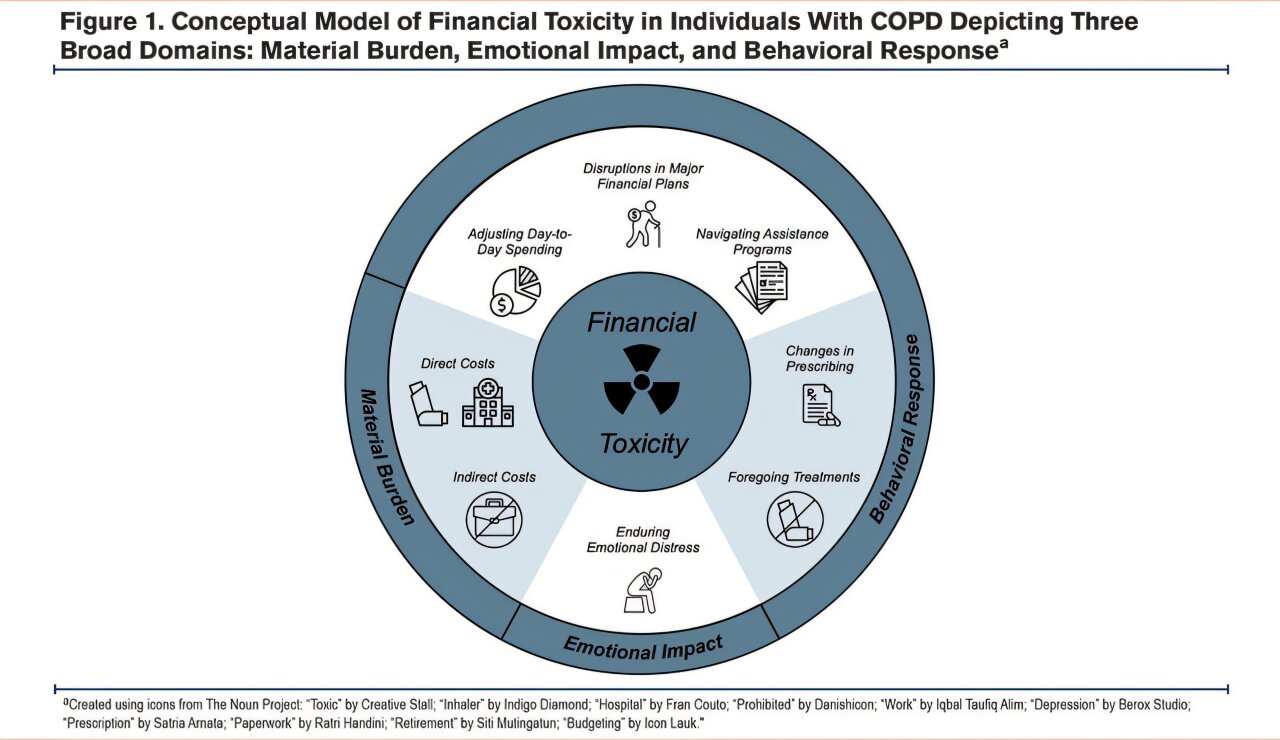
People with chronic obstructive pulmonary disease reported cutting back on treatment and delaying care because of medical costs, according to a study in the May 2026 issue of Chronic Obstructive Pulmonary Diseases: Journal of the COPD Foundation. The findings point to financial strain as a factor that may affect both health decisions and mental well-being for people managing the long-term lung disease.
The study examined what researchers call financial toxicity: the money pressure and emotional distress tied to health care expenses. Dr. Sonal Mallya of Johns Hopkins Medicine, the study’s lead author, said the concept is often discussed in cancer care, and the findings show it is also a concern for people with COPD.
Researchers interviewed 30 people living with COPD to learn how the cost of care affected their daily lives. Participants described paying for inhalers, doctor appointments, emergency department visits and hospital stays connected to the condition, according to the study.
Several participants said they used inhalers less often than prescribed or skipped medical visits to control costs. Others said they cut spending on basic needs or drew on retirement savings to cover expenses, according to the researchers.
The financial pressure also carried an emotional cost. Participants reported stress, anxiety and frustration as they tried to balance medical needs with available money, the study found.
COPD includes emphysema and chronic bronchitis, according to the COPD Foundation. The disease affects more than 30 million Americans and ranks as the fourth-leading cause of death worldwide, the foundation said.
People with COPD often face repeated expenses because the disease can require ongoing medications and care. The COPD Foundation said costs may rise further when patients need emergency treatment or hospital admission, and some people lose income if the disease limits their ability to work.
Mallya said the financial burden can shape more than a patient’s bank account because it may affect how people manage their illness. She said understanding those pressures is a step toward developing ways to improve health outcomes and quality of life.
The study, “Exploring the Impact of Financial Toxicity in COPD: A Qualitative Study,” was published in Chronic Obstructive Pulmonary Diseases: Journal of the COPD Foundation. The paper is available at DOI: 10.15326/jcopdf.2025.0712.
This story draws on original reporting from Medical Xpress.