
Australia’s warm winter start raises heat and fire concerns
Researchers say early winter records and El Niño conditions point to more warmth, drier months and a tougher summer outlook.
By Priya Raghavan · Science Reporter
3 min read
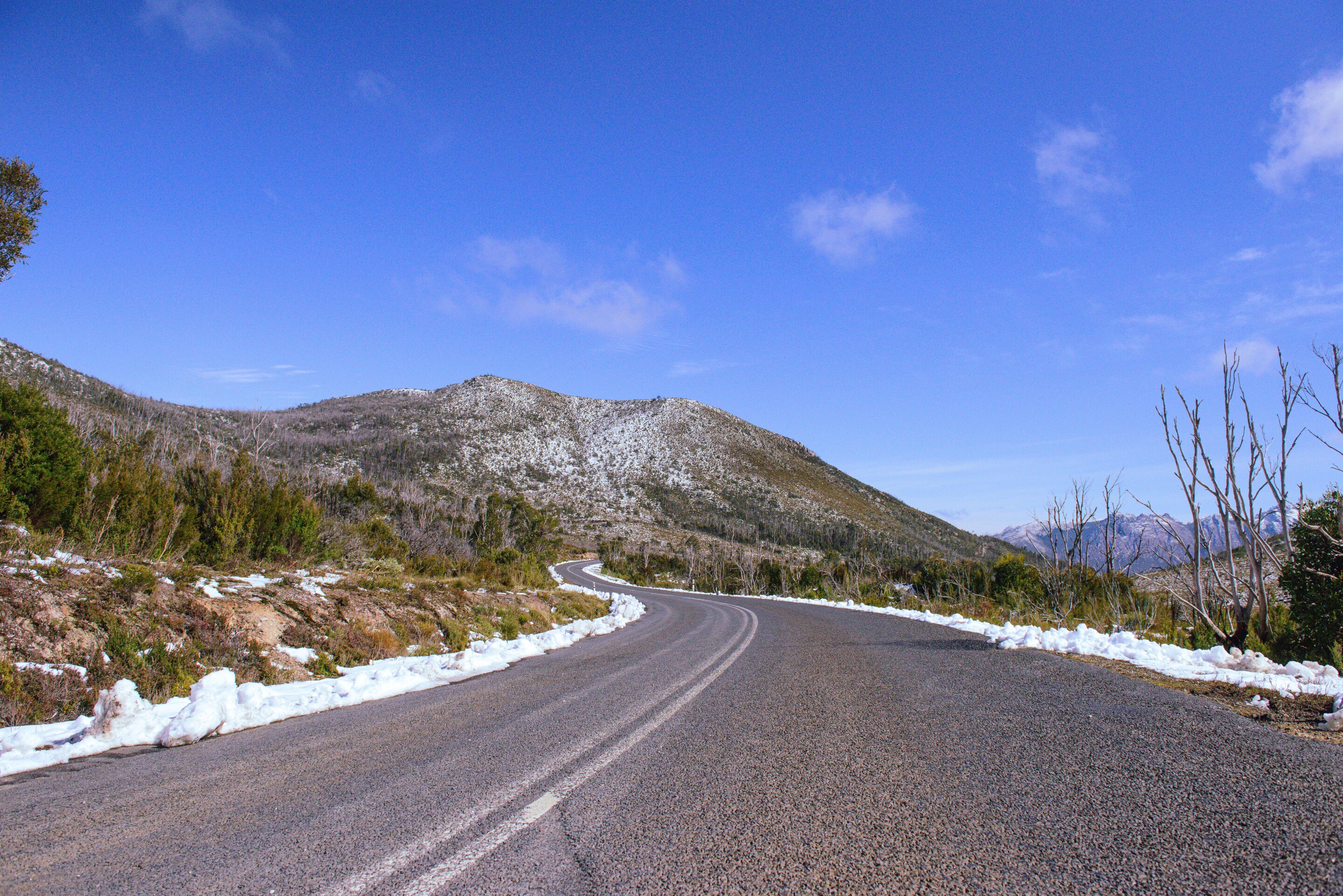
Australia has begun winter with record or near-record warmth across several cities, raising concern about dry weather, weak snow cover and summer fire risk. Climate researchers Milton Speer and Lance M. Leslie wrote in The Conversation that the pattern fits a broader rise in unusual heat linked to human-driven global warming.
According to the researchers, many parts of Australia have already set early-winter records for daytime highs and overnight lows. They said Sydney and Melbourne recorded their warmest starts to winter, with daily observations showing above-average June temperatures in both cities on almost every day of the month.
Adelaide also had warmer-than-usual readings through the first three weeks of June, the researchers said, while Hobart and Canberra began winter well above normal. Perth was the exception among southern capitals, with June temperatures close to typical levels.
Warmth expected to persist
The Bureau of Meteorology’s seasonal outlooks indicate that unusually warm conditions are likely to continue for at least the next several weeks, according to Speer and Leslie. They said long dry spells are also likely, particularly in late winter and spring, after the development of El Niño conditions.
Southern Australia can still receive cold bursts from polar air, the researchers said. Those outbreaks depend partly on how the jet stream bends south of the continent, which can steer cold air and low-pressure systems farther north.
The researchers said the 2026 Australian ski season has opened poorly, with forecasts giving little support for deep and lasting snow cover. They cautioned, however, that one or two strong snowstorms can still change a season quickly.
Part of a global heat pattern
Speer and Leslie connected Australia’s warm winter to a global run of out-of-season heat. The World Meteorological Organization reported that Europe’s current heat wave has broken June temperature records, and the researchers said earlier extreme summer heat in Europe more often arrived later in July or August.
On June 26, the United Kingdom reached 37.3°C, its highest June temperature on record, according to the BBC figure cited by the researchers. They said large areas of France, Spain, Italy and Germany reached or exceeded 40°C during the same heat wave, with high humidity adding to the stress.
The researchers said accelerated global warming since the 1990s, caused by human-made climate change, is driving more extreme heat. They cited United Nations climate assessments that project more hot and cold extremes in most inhabited regions as global temperatures rise.
Speer and Leslie also pointed to their recent research on changes in the Southern Hemisphere atmosphere and oceans. They said jet streams and storm tracks have shifted toward the pole, sending some winter and spring rain systems south of Australia and leaving southern areas under more high-pressure weather, clearer skies and warmer days.
Sea surface temperatures off Australia’s subtropical east coast are also well above average, according to Bureau of Meteorology ocean data cited by the researchers. They said high-pressure systems over the Tasman Sea are drawing warm, moist air into southeast Australia, lifting overnight temperatures.
Summer risks remain uncertain
The researchers said a record-setting Australian summer is possible but not certain. Bureau outlooks cited by Speer and Leslie point to hotter, drier conditions in southeast Australia during the El Niño year, a combination they said can raise the risk of heat waves, drought and dangerous bushfire weather.
Melbourne is a particular concern because water storage is low, the researchers said. They cited Melbourne Water data showing catchments at 64% and falling, the lowest level since the 2017–19 Tinderbox Drought, after autumn and spring rain missed Melbourne and its catchment while replenishing other southern capitals.
Speer and Leslie said El Niño does not guarantee extreme heat, dryness or fire weather. They also noted that the Southern Annular Mode could bring more cold fronts, but said current signals make severe heat later in spring or early summer look likely.
This story draws on original reporting from Phys.org.