
Sensitive blood test flags pancreatic cancer missed after treatment
Northwestern researchers say a KRAS-focused liquid biopsy detected residual pancreatic cancer more often than commonly used sequencing tests.
By Tom Brennan · Health & Medicine Correspondent
3 min read
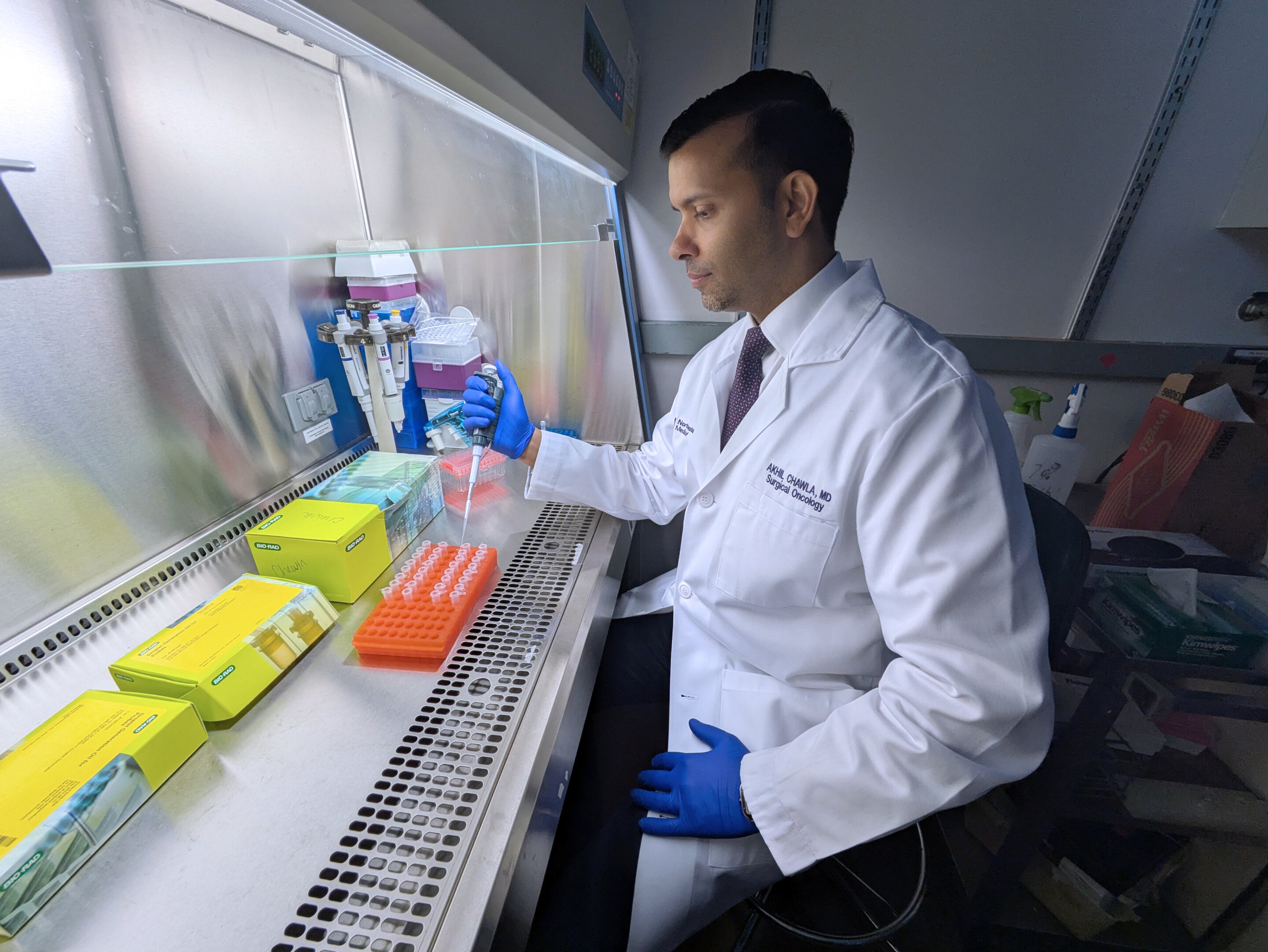
A highly sensitive blood test found signs of pancreatic cancer after chemotherapy and surgery in patients whose standard tests often came back negative, according to Northwestern Medicine researchers. The finding could help doctors identify patients at higher risk of recurrence before cancer is visible on imaging, the team reported in Clinical Cancer Research.
The study examined circulating tumor DNA, fragments of genetic material shed by cancer cells into the blood. Northwestern said the test used in the study, digital droplet PCR, or ddPCR, was aimed at KRAS mutations, which the university said drive more than 90% of pancreatic cancers.
Dr. Akhil Chawla, senior author of the study and a surgical oncologist at Northwestern Medicine, said the results point to a possible way to track microscopic disease more precisely as KRAS-targeted treatments move closer to use. Northwestern said a KRAS-targeting drug has shown survival benefits and is nearing FDA review.
Study followed patients through treatment
The researchers followed 106 Northwestern Medicine patients with localized pancreatic cancer from diagnosis through chemotherapy and surgery, according to the university. Blood samples were collected before treatment, after chemotherapy and after surgery from October 2020 through October 2024, Northwestern said.
The team compared ddPCR with next-generation sequencing, or NGS, a more commonly used liquid biopsy approach. Northwestern said NGS can screen many cancer-related genes at once, while ddPCR is designed to look for selected genetic targets with high sensitivity.
At diagnosis, ddPCR detected tumor KRAS DNA in 65% of patients, compared with 17% for NGS, according to the study. After chemotherapy, ddPCR detected tumor KRAS DNA in 60% of patients, compared with 5% for NGS; after surgery, the figures were 56% for ddPCR and 9% for NGS.
Signals tied to survival
The Northwestern team said the more sensitive test also separated patients into groups with different outcomes. Patients whose cancer DNA was detected by ddPCR but missed by NGS had reported survival of 27 months after diagnosis, compared with 41 months for patients who were negative on both tests.
The study also reported survival of 11 months for patients who tested positive on both ddPCR and NGS. Northwestern said that pattern suggests current testing approaches may fail to detect residual disease in a substantial share of patients.
Pancreatic cancer often returns even after months of chemotherapy and surgery, Northwestern said. Chawla said circulating tumor DNA levels in these patients can be very low, making detection difficult and leaving patients and families with uncertainty about whether treatment is working.
The researchers said ddPCR should not yet become routine care for pancreatic cancer patients based on this study alone. Chawla said the findings need confirmation in larger studies involving multiple medical centers before the test can be broadly adopted in clinical practice.
The paper, titled High-Sensitivity ctDNA Analysis Uncovers Relevant Signals Missed by NGS in Pancreatic Cancer, was published in Clinical Cancer Research. The study was reported by Northwestern University.
This story draws on original reporting from Medical Xpress.