
Cisproplatin cancer drug shows lower toxicity in early tests
Researchers report cisproplatin kept cisplatin-like cancer activity while reducing kidney and nerve toxicity in mouse and cell studies.
By Priya Raghavan · Science Reporter
3 min read
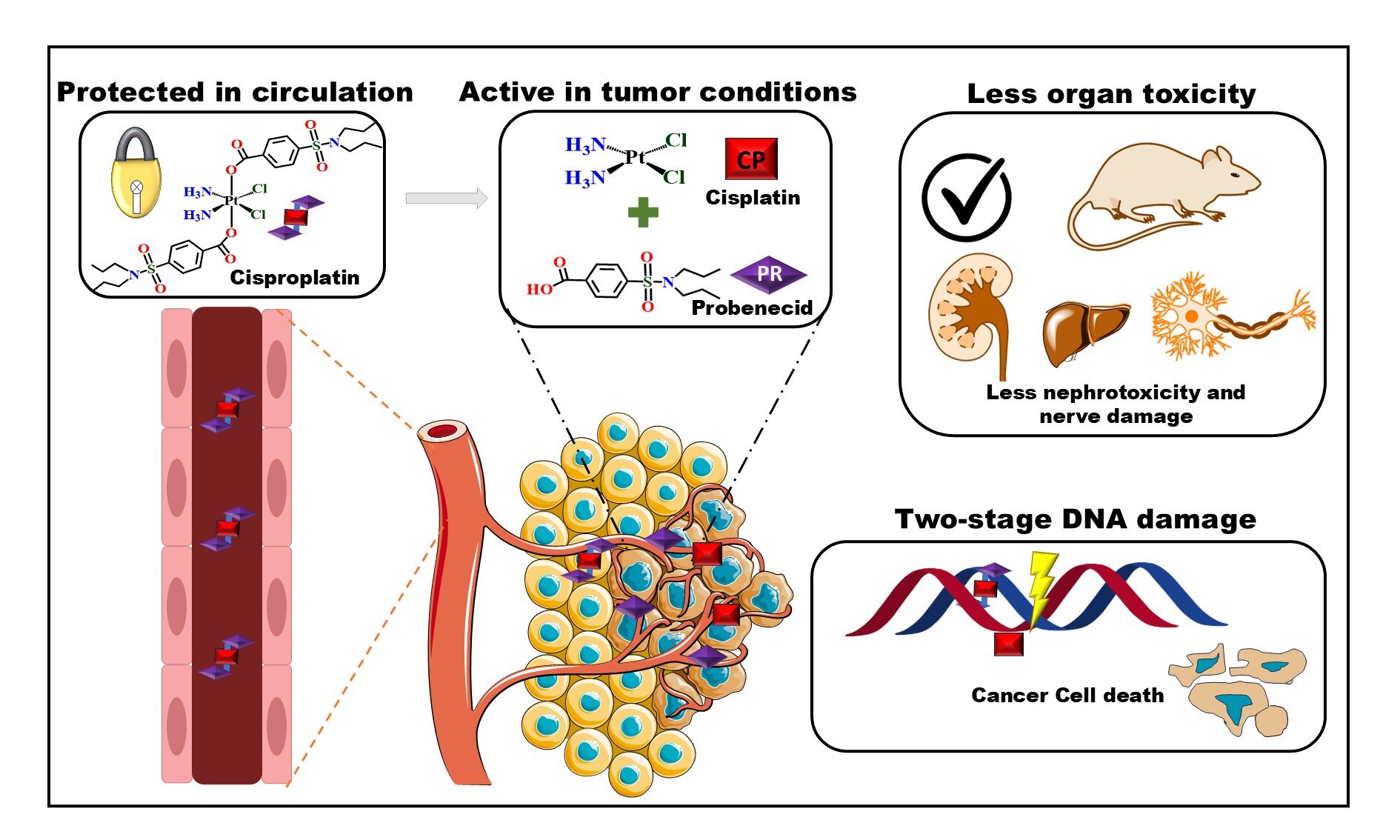
A new experimental cisproplatin cancer drug kept strong cancer-cell killing activity while showing fewer signs of kidney and nerve toxicity in early tests, according to researchers at IISER Berhampur. The work, published in the Journal of Medicinal Chemistry, points to a possible way to redesign a widely used chemotherapy drug whose side effects can limit treatment.
Cisplatin is used against several cancers, including lung, ovarian, breast, testicular, and head and neck cancers. The problem, the researchers said, is that the drug can damage healthy tissue as well as tumors, especially the kidneys and peripheral nerves, leading to pain, tingling, numbness or weakness in the hands and feet.
The new compound, called cisproplatin or CPP, joins cisplatin with probenecid, a gout medicine that can influence how drugs and other foreign substances move through the kidneys and may help cancer cells retain drugs. The researchers said chemically linking the two medicines into one platinum-containing molecule differs from giving the drugs separately, because separate drugs can move through the body at different rates and reach different organs.
What is cisproplatin?
Cisproplatin is a redox-activatable molecule designed to stay stable in blood-like conditions and become active in chemical conditions often found in cancer cells, according to the study. In laboratory tests, the compound remained largely intact for several days under blood-like conditions, then released cisplatin-like platinum species and probenecid in a reducing environment.
The researchers describe the design as a chemical safety mechanism: cisproplatin is intended to avoid reacting too early with healthy tissues, then activate where tumor-like chemistry is present. That approach is meant to preserve cisplatin’s DNA-damaging effect while reducing off-target injury.
How did cisproplatin perform in cancer cell tests?
The U.S. National Cancer Institute’s Developmental Therapeutics Program tested cisproplatin against 60 human cancer cell lines, according to the researchers. They reported broad activity in cancer cells from breast, melanoma, non-small cell lung, brain, leukemia, colon, kidney, prostate and ovarian cancers, with cisproplatin often outperforming standard cisplatin.
The team also tested cisproplatin in two mammalian triple-negative breast cancer cell lines. In one line, the compound was active at about 0.128 micromolar, while cisplatin needed higher concentrations to produce a similar effect, the researchers said.
In those tests, cisproplatin also reduced the cancer cells’ ability to move and form new colonies. The researchers said that suggests the compound affected both immediate cell survival and longer-term growth behavior.
Why might the drug work differently from cisplatin?
The researchers said cisproplatin appeared to act in two stages against DNA. Before fully releasing cisplatin-like species, the intact molecule seemed able to associate with DNA through noncovalent interactions, including fitting between parts of the DNA structure or into narrow grooves.
After reduction, cisproplatin released platinum species that can form stronger chemical links with DNA, similar to cisplatin’s known mechanism. The team said this two-step action may help explain the compound’s potency across different cancer-cell types.
What did the mouse studies show?
In mouse comparisons, the researchers said standard cisplatin caused severe toxicity, including weight loss, poor grooming, abnormal posture and damage to sciatic nerve fibers. Those effects resembled the peripheral nerve injury seen in some patients receiving cisplatin, according to the study.
Mice given cisproplatin tolerated higher doses, stayed healthier and showed fewer behavioral or structural signs of nerve damage, the researchers reported. Cisproplatin also stayed in the blood longer, with a half-life of about 8.5 hours compared with about 3.85 hours for cisplatin, and led to significantly less platinum buildup in the kidneys.
The authors cautioned that cisproplatin remains experimental and is not ready for patients. They said the next work includes testing whether it can shrink tumors in more complex animal models, then studying metabolism, dosing and long-term safety before any human trials could be considered.
This story draws on original reporting from Medical Xpress.