
Bright evening light tied to higher risk of aging-related eye disease
A UK Biobank study found higher rates of macular degeneration, cataracts and glaucoma among people exposed to very bright light at night.
By Priya Raghavan · Science Reporter
3 min read
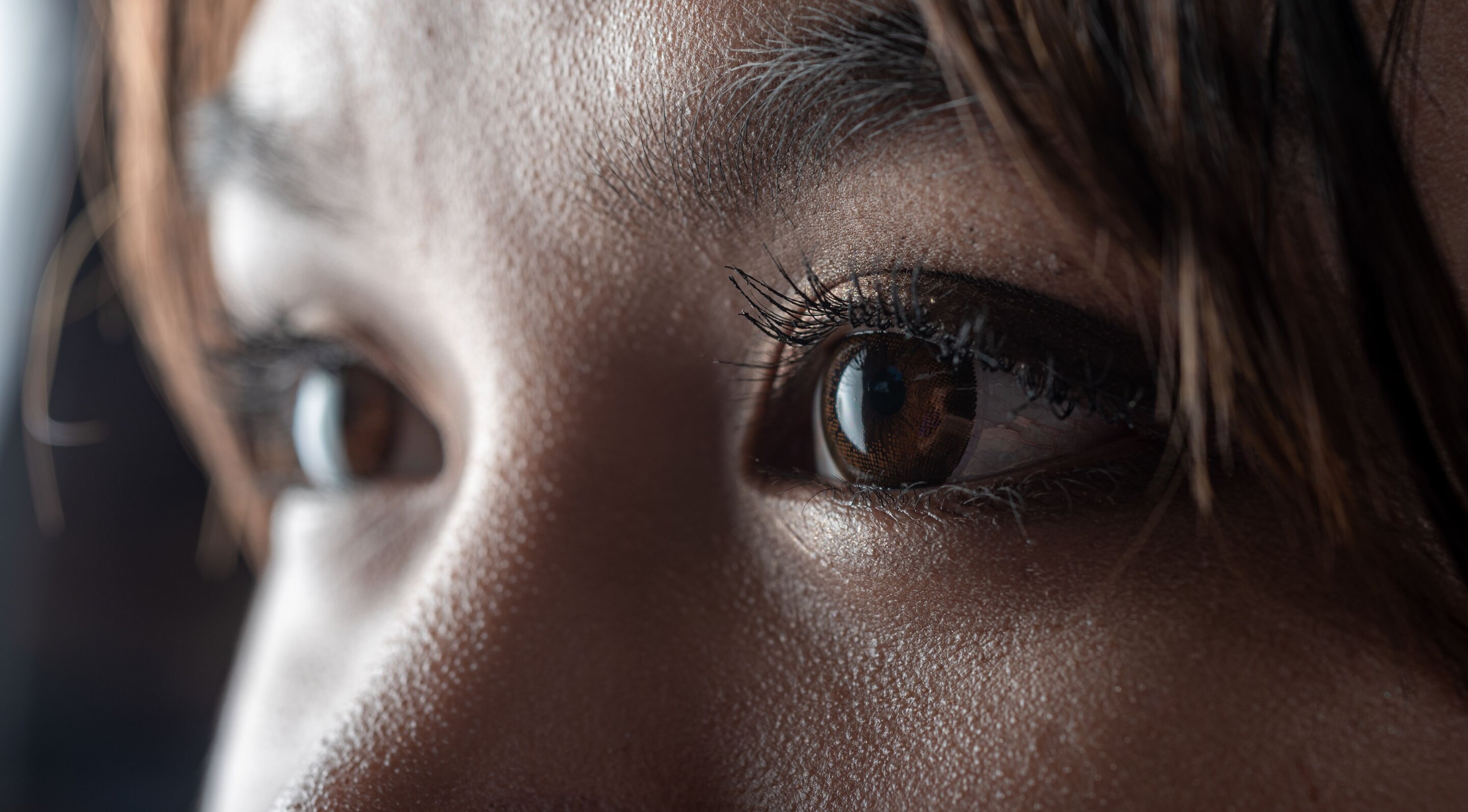
Very bright artificial light in the evening was associated with a higher risk of several age-related eye diseases in a large UK Biobank study. The finding matters because evening lighting is one of the daily exposures people can change, especially from screens, displays and work settings.
The research, published in GeroScience, analyzed 82,826 UK Biobank participants who did not already have the eye diseases being studied. The study linked high evening light exposure, especially from 8 p.m. to 11:30 p.m., with later diagnoses of age-related macular degeneration, cataracts and primary open-angle glaucoma.
According to the researchers, the risk signal appeared at average evening exposure above 1,000 lux. They reported that typical indoor lighting is usually much lower, about 100 to 500 lux, while brighter exposure may come from high-brightness electronic displays, modern screens or occupational lighting used in precision work.
How the study tracked light exposure
Participants wore wrist devices similar to fitness trackers for seven consecutive days, the researchers said. The devices measured movement and light exposure in lux every 1.2 seconds, giving the team real-world data rather than estimates based only on questionnaires.
After that monitoring period, the researchers followed participants’ health records for an average of nearly eight years. They focused on new cases that developed after the initial monitoring window, excluding people who already had the relevant eye conditions at the start.
The study found that people with evening light exposure above 1,000 lux had a 31% higher risk of age-related macular degeneration, an 18% higher risk of cataracts and a 47% higher risk of primary open-angle glaucoma. The researchers also reported a dose pattern: more time spent under bright evening light was linked with higher risk.
Why timing may matter
The researchers said the eye helps regulate the body’s circadian clock, the roughly 24-hour biological cycle shaped by light and darkness. They noted that the evening is a sensitive transition period for that system.
Age-related eye diseases share several biological processes, including chronic inflammation, oxidative stress and problems in cellular energy production, according to the study. The researchers suggested that bright evening light could affect eye health through circadian disruption and blue-light exposure from modern LEDs.
They also pointed to possible oxidative stress and photochemical injury in cells of the lens and retina. The study reported an association, and its findings do not by themselves prove that evening light causes the diseases.
The authors said high-intensity evening light is a modifiable risk factor. They suggested that clinicians could advise patients to reduce bright exposure before bed through steps such as dimming screens and using lower-intensity lighting at night.
The study was titled “Association of high-intensity evening light exposure with risk of incident age-related macular degeneration, cataract, and glaucoma: a prospective cohort study of 82,826 participants.” Xiaoqian Wu and colleagues authored the paper, according to GeroScience.
This story draws on original reporting from Medical Xpress.