
Brief mental stress may make blood more prone to clotting
A small lab study found acute psychological stress raised oxidative stress markers and changed clot structure in healthy young men.
By Priya Raghavan · Science Reporter
3 min read
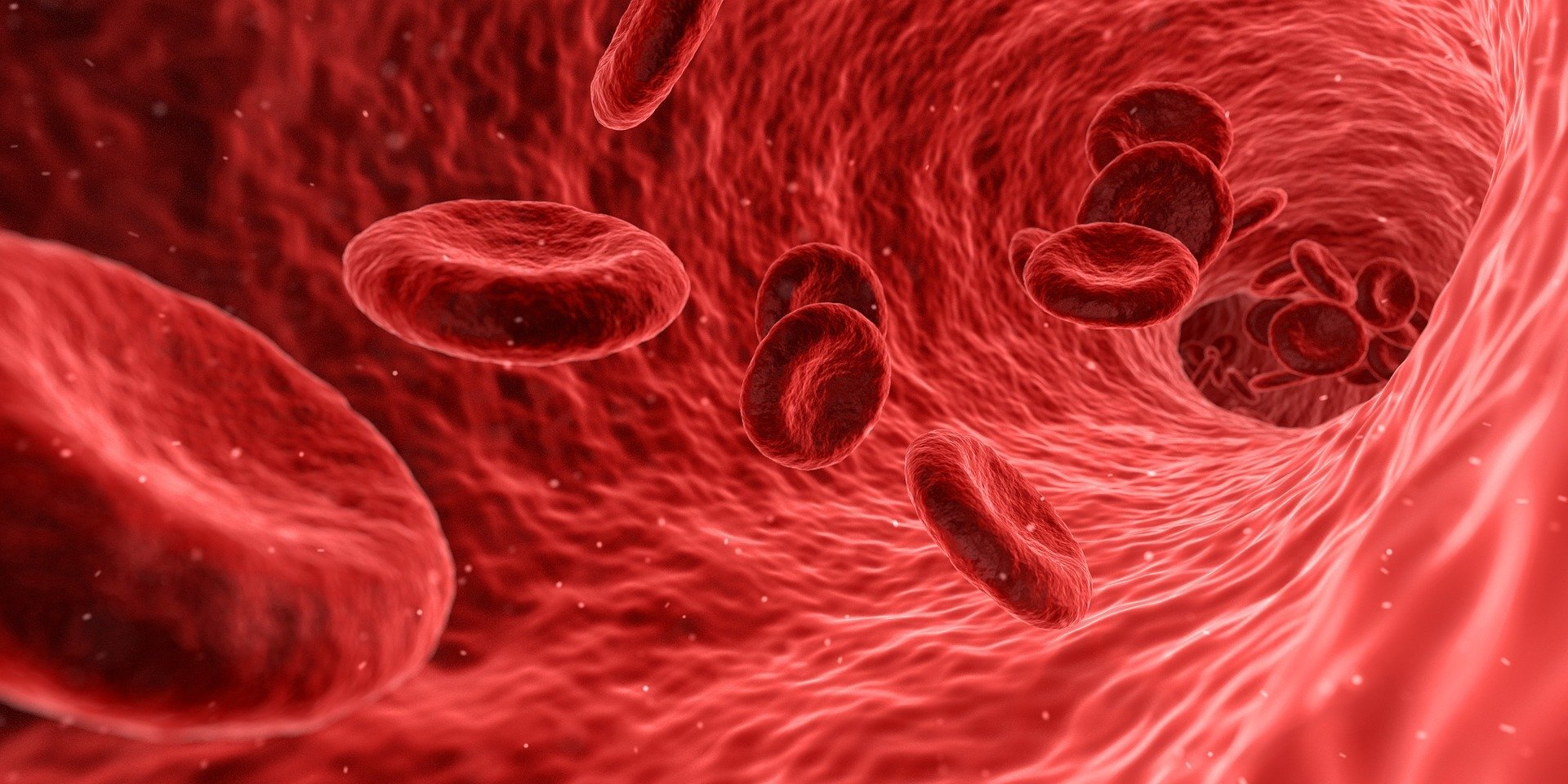
Acute psychological stress can change blood chemistry within minutes, according to research described by Lewis Fall in The Conversation. The findings matter because they offer a possible biological route linking emotional stress to cardiovascular risk.
Fall and colleagues studied how a short, controlled stress event affected clotting in eight healthy men ages 18 to 30. They reported that stress increased markers of oxidative stress and produced denser, larger blood clots, while a quiet rest period did not produce the same changes.
Scientists have long associated chronic emotional stress with cardiovascular disease in large population studies, Fall wrote. The less settled question has been how a mental state could translate into physical changes that may raise risk.
How the test worked
The team used a randomized controlled crossover design, meaning each participant completed both a rest session and a stress session one week apart, with the order assigned at random. The approach was intended to compare each person against himself under tightly controlled laboratory conditions.
For the stress session, participants took the Trier social stress test, a standard research method for inducing acute psychological stress. They had five minutes to prepare a speech, then delivered it to a camera and a panel of judges who did not show emotion; their notes were removed before they began speaking.
Participants then completed a mental arithmetic task, counting backward from 2003 in steps of 17. When they made an error, they had to restart.
Researchers collected blood before and after both sessions. Fall said the team measured free radicals using electron paramagnetic resonance spectroscopy and examined the microscopic structure of clots as they formed.
What changed in the blood
After the stress test, the researchers found an increase in the ascorbate free radical, which they used as a marker of oxidative stress. At the same time, clots became more compact and contained more tightly packed fibrin, the protein fibers that help form a clot’s framework.
The team also reported signs that stress activated the intrinsic pathway, part of the body’s coagulation system. Fall said those findings suggest stress altered the architecture of clots rather than just changing whether blood would clot.
The researchers did not find evidence that acute stress made the blood thicker or more viscous. Fall wrote that this finding weighs against the idea that stress affects clotting mainly by concentrating the blood as blood pressure rises.
Fall and colleagues instead point to oxidative stress, the production of highly reactive free radicals during the body’s stress response, as a possible trigger for changes in clot formation. They argue that brief mental stress may push blood toward a more clot-ready state.
Limits of the findings
The study does not show that a tense meeting, public speech or difficult workday will cause a heart attack or stroke. Fall emphasized that cardiovascular disease involves many factors and that the results should be read cautiously.
The study group was also small and limited to healthy young men. Fall wrote that larger studies involving women, older adults and people with cardiovascular disease are needed to test whether the same effects occur more broadly.
The results may still help guide future research on stress and heart health. Fall said scientists could examine whether targeting the biochemical pathways linked to stress might reduce some of its physical effects on the cardiovascular system.
This story draws on original reporting from Medical Xpress.