
Baby microbiome at birth may begin with maternal gut bacteria
Researchers say vaginal delivery can expose newborns to maternal gut microbes that help seed the infant gut and immune system.
By Tom Brennan · Health & Medicine Correspondent
3 min read
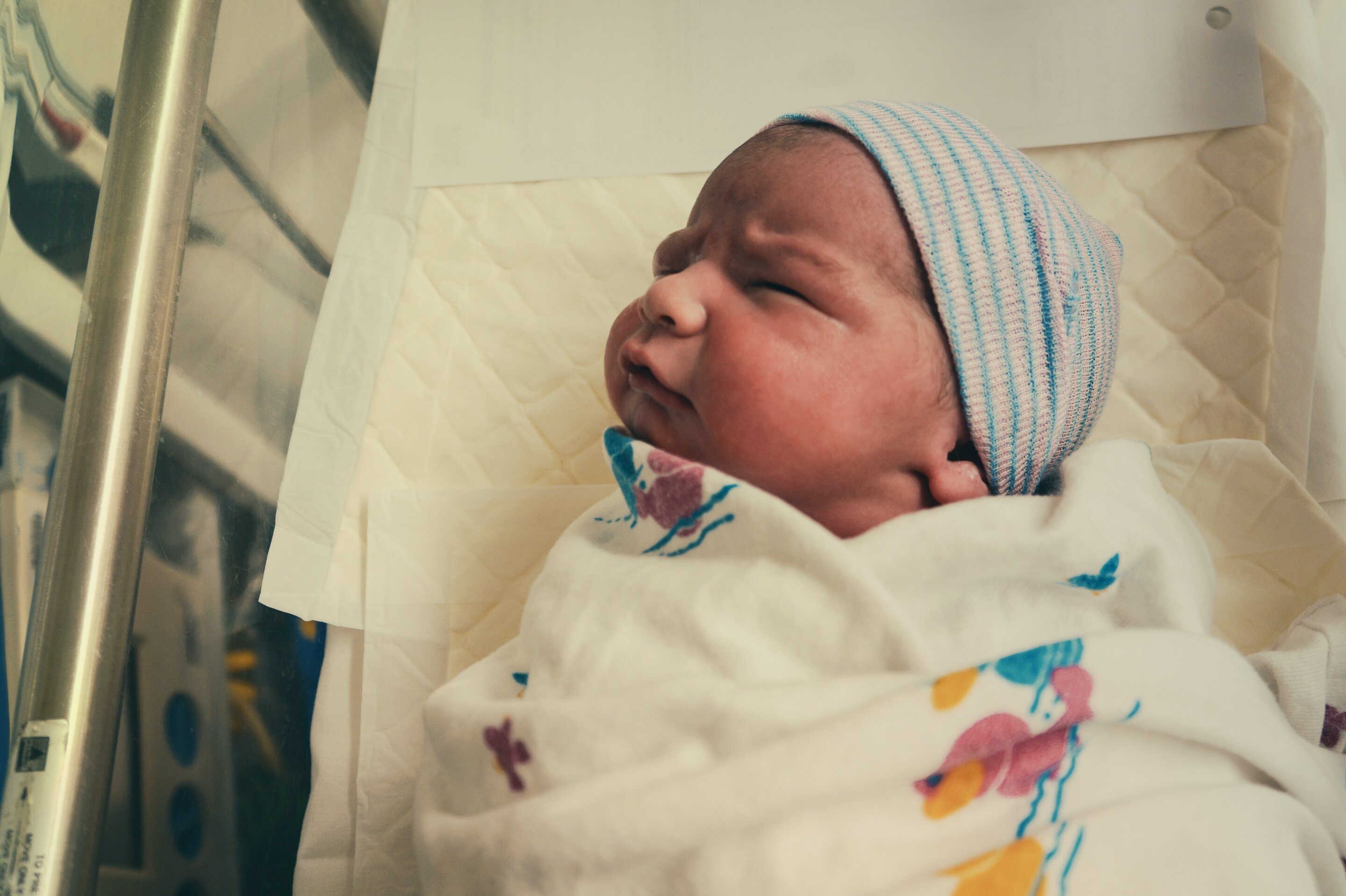
The baby microbiome at birth may be shaped less by vaginal bacteria than by microbes from the mother’s gut, researchers Steven Leach and Andrew Day wrote in The Conversation. They said that early exposure can help establish bacteria involved in gut development and immune training.
Leach and Day described birth as a major microbial transfer point, especially during vaginal delivery. As a baby passes through the birth canal, it encounters maternal microbes, including bacteria from vaginal and intestinal sources.
How do babies get maternal gut bacteria at birth?
According to Leach and Day, the mechanics of a common head-down vaginal birth can press the baby’s head against the mother’s rectum. That pressure may expel fecal material during delivery, exposing the newborn to intestinal microbes.
The researchers said this exposure is normal and may help seed the infant gut with bacteria suited to live there. They cautioned, however, that intentionally putting fecal matter on a newborn is dangerous because the amount, source and delivery of bacteria would differ from natural exposure and could cause severe infection.
Earlier thinking gave more weight to Lactobacillus, a well-studied bacterium common in the birth canal, Leach and Day wrote. They said babies do encounter Lactobacillus during birth, but it does not tend to persist as a major long-term colonizer of the newborn gut.
Instead, they wrote, the early gut microbiome appears to rely heavily on bacteria from the maternal intestine. A microbiome is the community of microbes living in and on the body; in infants, the gut microbiome develops alongside digestion and the immune system.
Breast milk feeds early gut bacteria
Leach and Day said breast milk adds another part of the system. It contains human milk oligosaccharides, molecules that babies do not digest but that feed selected beneficial bacteria.
They pointed in particular to Bifidobacterium, a bacterium transferred early in life and supported by those milk sugars. According to the researchers, Bifidobacterium can help crowd out harmful microbes in the gut and contribute to immune development.
The process can be altered by medical care, they wrote. Antibiotics can change the mother’s microbiome, while cesarean delivery bypasses some of the microbial exposure that occurs in vaginal birth.
Leach and Day cited research linking cesarean birth or antibiotic exposure during pregnancy with different early microbiomes and possible increased risks of some childhood conditions, including asthma and atopic dermatitis. They stressed that these interventions can be essential and should not be avoided when needed, because the safety of mother and baby comes first.
What does this mean for preterm babies?
The researchers said the clearest clinical use of this knowledge is in babies born before 33 weeks. Those infants often have intensive medical care, may miss typical microbial exposure and face a higher risk of necrotizing enterocolitis, a serious condition in which parts of the bowel die.
Giving those preterm babies probiotics containing Bifidobacterium significantly reduces the incidence and severity of necrotizing enterocolitis, Leach and Day wrote. They said that finding fits with Bifidobacterium’s role as an early-life microbe adapted to grow on compounds found in human milk.
The researchers said a better understanding of microbial transfer at birth could help clinicians support babies when natural exposure is interrupted. Their account frames birth, breastfeeding and early gut bacteria as connected parts of infant development.
This story draws on original reporting from Medical Xpress.