
Autistic children drowning risk can fall with adapted swim lessons
Therapists say adapted swim lessons and layered safeguards can address a drowning risk that studies show is far higher for autistic children.
By Tom Brennan · Health & Medicine Correspondent
3 min read
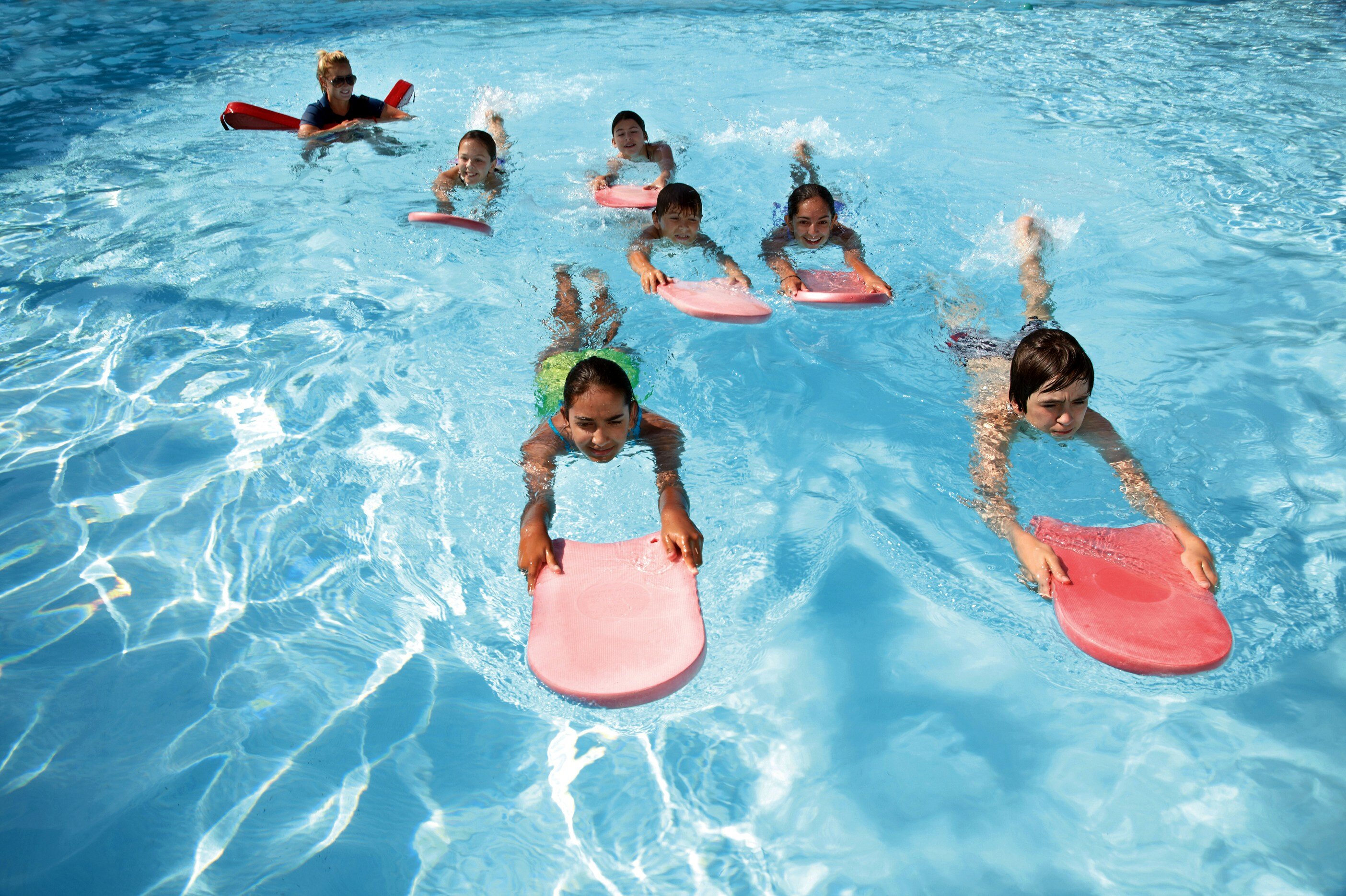
Autistic children drowning risk is far higher than it is for children without autism, and therapists who study water safety say adapted swim lessons can help reduce the danger. Writing in The Conversation, occupational therapist Tana Carson and recreational therapist Tania Santiago Perez said families, caregivers and instructors can combine tailored instruction with multiple safeguards around pools, lakes, rivers and other water.
In the United States, drowning is a leading cause of accidental death for children, according to the Centers for Disease Control and Prevention. The Children’s Safety Network says more than 900 children die each year in accidental drownings.
The risk is especially high for autistic children. Carson and Santiago Perez cited research from Columbia University’s Mailman School of Public Health finding that people with autism face a drowning risk up to 160 times higher than peers without autism.
Why are autistic children at higher drowning risk?
Carson and Santiago Perez said several factors can overlap. Some autistic children are drawn to water for play, sensory interest or the calming feeling of being in it, while many also wander from supervised places into unsafe areas.
They said conventional swim classes may not fit every autistic child. A crowded pool can cause sensory overload, and some children may need visual instruction, more time to regulate emotions, a predictable routine or alternatives to hands-on teaching.
Adaptive swim lessons are designed around those needs. According to Carson and Santiago Perez, these programs often use smaller groups or one-on-one support, play-based teaching, visual schedules, sensory strategies and consistent routines to help children learn water skills.
Research cited by the authors found that swim lessons tailored to autistic children’s individual needs, including one-on-one support in a group setting, can improve swimming ability. Community options may include YMCA programs, parks and recreation departments, private swim schools and therapy centers.
How can families make swim lessons work?
Carson and Santiago Perez recommended looking for aquatic instruction that matches a child’s learning style and sensory needs, from a community class to individual lessons with a therapist. If a program does not offer enough support, they suggested asking a child’s occupational, behavioral, physical, speech or recreational therapist to assist the instructor.
They also advised caregivers to prepare instructors before lessons begin. Families can share a child’s strengths, concerns and interests, such as toys or topics that may help motivate the child during water-safety practice.
What can families do around water?
The National Drowning Prevention Alliance describes five layers of protection: barriers such as fences and alarms; close supervision; life jackets and other flotation devices; basic swimming skills; and emergency readiness, including calling 911 and performing first aid or CPR.
Carson and Santiago Perez said no single measure is enough on its own. A family might combine door alarms, pool alarms and pool fencing to reduce the chance that a child enters water without an adult present.
They also urged caregivers to think about risks specific to the child. A child may be comfortable in water or physically strong but unable to swim, follow instructions or recognize hazards such as deep water or rip currents.
Other behaviors can add danger, they said, including drinking water while swimming, which can lead to inhaling water, and holding breath for long periods, which can cause fainting underwater. For broader training, the authors pointed families to water-safety materials from the American Red Cross, the Autism Society and Autism Speaks.
This story draws on original reporting from Medical Xpress.