
ALS protein blood panel predicts symptom timing in high-risk study
Researchers used 19 plasma proteins to estimate when high-risk people would develop ALS, a step toward trials before symptoms begin.
By Priya Raghavan · Science Reporter
3 min read
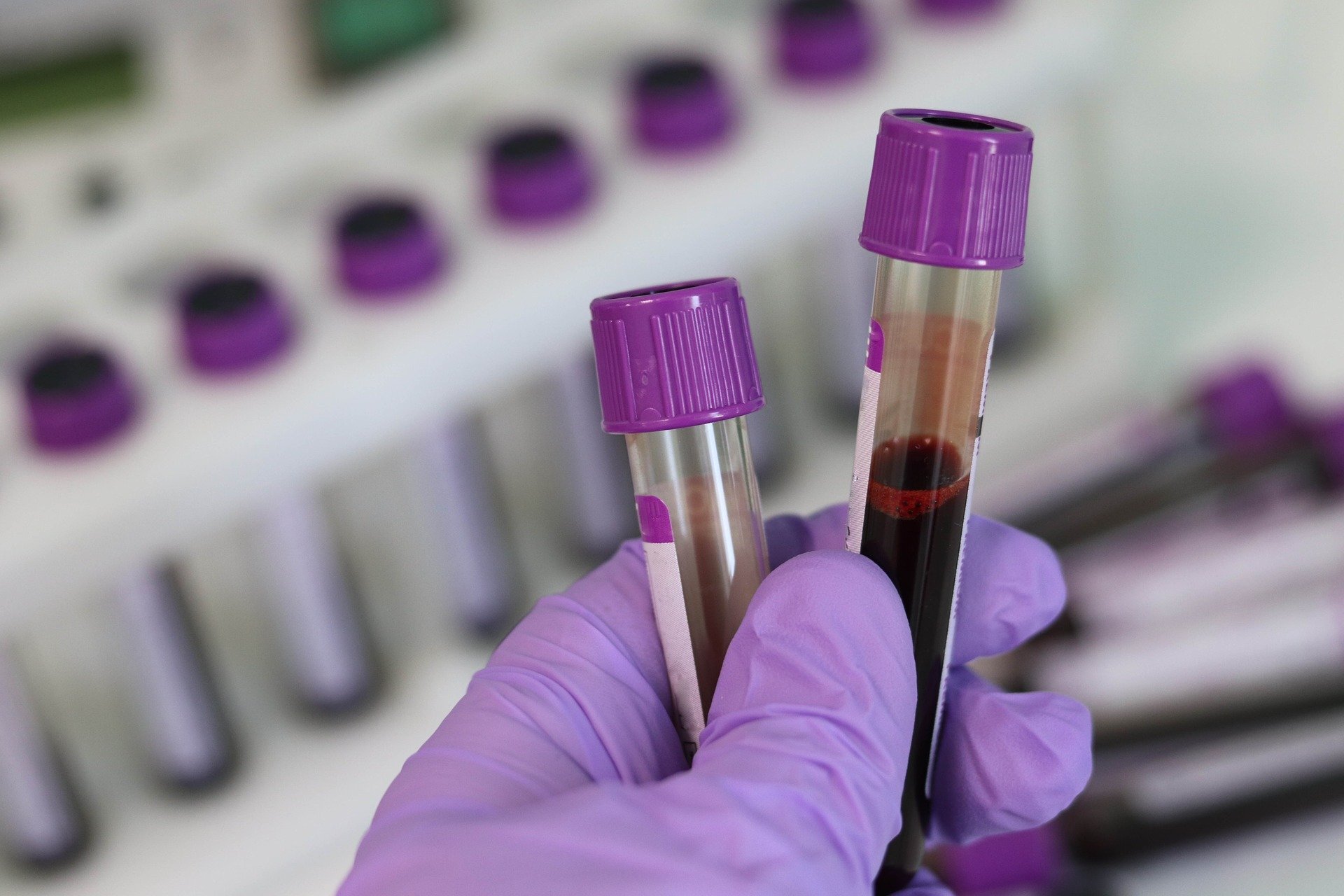
A 19-marker ALS protein blood panel helped researchers estimate when people at high genetic risk would begin showing signs of the disease, according to findings published in Nature Medicine. The work matters because earlier warning could let clinicians test preventive treatment before ALS causes irreversible injury to motor neurons.
The National Institutes of Health said the study drew on the Pre-symptomatic Familial ALS study, known as Pre-fALS, a long-running project led by University of Miami researchers Michael Benatar and Joanne Wuu. For nearly two decades, that study has followed people who carry ALS-associated genetic variants but had not yet developed clinical disease when they enrolled.
ALS, or amyotrophic lateral sclerosis, is a neurodegenerative disease that damages nerve cells involved in movement. “Phenoconversion” is the point when a person who was being followed before symptoms develops clinical signs of ALS or a related disorder.
How can a blood test predict ALS symptoms?
The researchers used a high-throughput protein-measuring method called Olink to study plasma samples from 137 Pre-fALS participants, NIH said. Of those participants, 33 later showed clinical signs of ALS or frontotemporal dementia.
After measuring more than 5,000 proteins, the team found 92 that differed before symptoms appeared in people who later developed disease. Using machine-learning methods, the researchers tested combinations of those proteins to see which best forecast near-term phenoconversion.
The final panel contained 19 proteins, including neurofilament light chain, or NfL, a structural protein in neurons that has been linked previously to ALS onset. NIH said the models were tested across prediction windows from six months to five years.
According to the researchers, the 19-protein model could estimate symptom onset within two years of the time participants showed disease signs. Benatar, a professor of neurology and public health sciences at the University of Miami, said the biomarkers allowed the team to estimate time to onset with an average error of about 18 months.
Why the timing matters for treatment
Benatar and colleagues previously reported that NfL rose in the blood of 10 Pre-fALS participants in the months before symptoms began. The larger protein analysis adds other markers that may improve forecasting beyond a single blood signal.
NIH said the researchers also saw similar results in UK Biobank data. The agency noted that the UK Biobank analysis has limitations, but its population is more broadly representative than the genetically predisposed Pre-fALS group.
Amy Bany Adams, acting director of NIH’s National Institute of Neurological Disorders and Stroke, said reliable blood- or fluid-based signals are urgently needed as preventive gene-targeting treatments become available for people who carry ALS risk genes.
One such treatment question is already being tested. Tofersen, which is approved for symptomatic ALS, is being evaluated as a preventive therapy in the ATLAS trial for presymptomatic ALS, NIH said.
ATLAS was designed by Benatar in partnership with Biogen. The trial is testing whether treatment begun shortly before symptoms appear can prevent or delay ALS onset, according to NIH.
The Nature Medicine paper is titled “Longitudinal plasma proteomics predict phenoconversion to clinically manifest ALS.” NIH attributed the advance to continued participation from people in the ALS genetic-carrier community who joined long-term monitoring before disease signs appeared.
This story draws on original reporting from Medical Xpress.