
Trump Section 301 tariffs raise fight over lasting import levies
The administration used forced-labor findings to impose new tariffs on more than 60 countries as temporary worldwide duties expired.
By Maya Lindqvist · Senior Technology Correspondent
4 min read
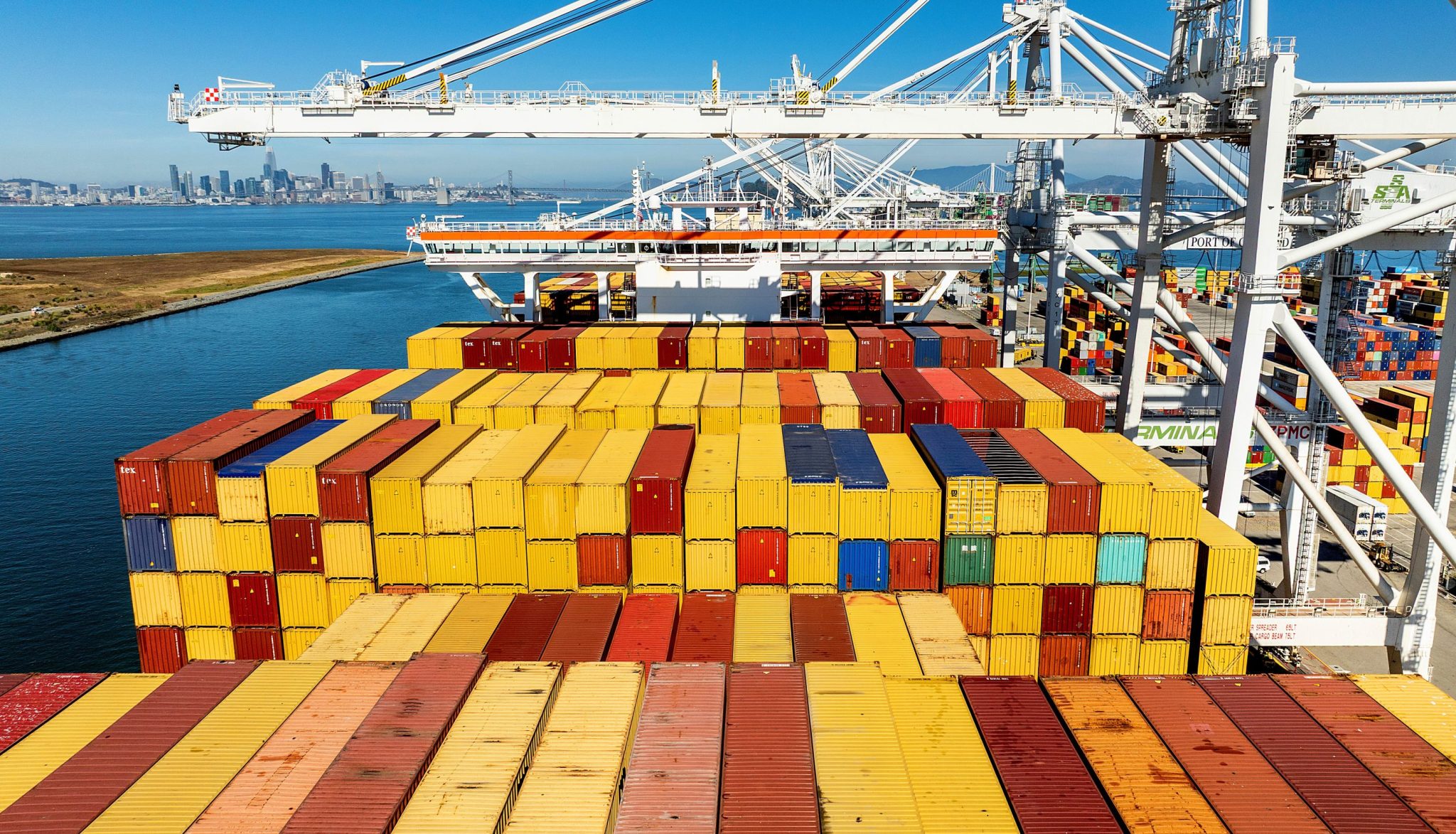
The Trump Section 301 tariffs imposed on more than 60 countries could give the administration a way to keep broad import levies in place without new approval from Congress. The duties matter because they arrive as temporary worldwide tariffs ended, keeping import taxes on goods from economies that make up nearly all U.S. imports.
The Trump administration said the new tariffs target countries that either lack a ban on forced-labor imports or do not enforce one effectively. The administration set the rates at 10% or 12.5% after a four-month review, but affected governments said the findings were unsupported and unevenly applied.
The duties replace, at least in effect, temporary 10% worldwide tariffs that had expired. Those duties had followed another worldwide tariff program that the Supreme Court struck down in February, according to the Associated Press.
Can Trump make Section 301 tariffs permanent without Congress?
Section 301 of the Trade Act of 1974 lets the U.S. respond to foreign trade practices it deems unjustifiable, unreasonable or discriminatory. Barry Appleton, a New York Law School professor and co-director of its Center for International Law, told the Associated Press that Section 301 can allow a tariff to remain in place while a dispute is being resolved, without Congress passing a new tariff law.
Appleton said the administration was using that authority because the president “doesn’t want to knock on the front door of Congress,” adding that he was trying “every side door and every unlatched window to get in.” Trump used Section 301 during his first term to place broad tariffs on Chinese imports, and the U.S. is also using it in a dispute over Chinese practices in shipbuilding.
The Office of the United States Trade Representative said it consulted all 60 economies under review, held two rounds of public hearings, received more than 2,100 public comments and discussed forced-labor import controls with trading partners. USTR did not disclose details of its country-by-country talks, saying the discussions were confidential.
Scott Lincicome, vice president for general economics and trade policy at the Cato Institute, questioned the evidence behind the findings. He told the Associated Press it was hard to accept that countries such as those in Europe, Norway or Switzerland were failing to police forced labor adequately.
Patrick Childress, a Holland & Knight partner and former U.S. trade official, said countries that improve their bans would still need to show Washington that enforcement meets U.S. expectations before tariffs could be lifted. He said that means countries may have no quick route to broad relief from the new duties.
Which countries and industries objected?
Brazil, which faces a 12.5% forced-labor tariff, called the U.S. action arbitrary and unjustified. In a statement, Brazil said Washington had used a human rights and labor issue to accuse 59 countries and the European Union of unfair practices.
Australia also disputed the basis for its 12.5% tariff. Trade Minister Don Farrell told reporters in Adelaide that Australia takes slavery and modern slavery seriously and would continue to do so.
The National Council of Textile Organizations objected to a tariff mechanism that can exempt textile and apparel imports from Bangladesh, Cambodia, Indonesia and Malaysia based on those countries’ imports of U.S. cotton and textiles. Kim Glas, the group’s chief executive, said the mechanism could hurt domestic textile manufacturers, an industry the group says employs 453,000 workers and has lost 41 plants over more than two years.
Why forced-labor import bans are hard to enforce
The U.S. has long had tools to block goods suspected of being made with forced labor. The Tariff Act of 1930 gave Customs and Border Protection authority to seize shipments, and a 2016 law removed a loophole that had allowed some imports when domestic supply was insufficient.
The Uyghur Forced Labor Prevention Act, passed in 2021, blocks imports from China’s Xinjiang region unless companies can prove the goods were not made with forced labor. Associated Press investigations in 2015 and 2020 found that forced labor and labor abuses still reached U.S. supply chains through seafood from Southeast Asia and palm oil tied to major consumer-goods companies.
Business and legal specialists urged a more detailed approach during tariff hearings. National Retail Federation vice president Jonathan Gold called for clear benchmarks tied to tariff relief and U.S. help for countries building enforcement systems, while Kenya Davis of Boies Schiller Flexner said effective bans require more transparency about investigations and aid for enforcement programs.
This story draws on original reporting from Fortune.