
Trump Section 301 tariffs raise concern over broader presidential power
New duties on 60 trading partners rest on a trade-law provision an analyst says courts may let presidents use more broadly.
By Maya Lindqvist · Senior Technology Correspondent
3 min read
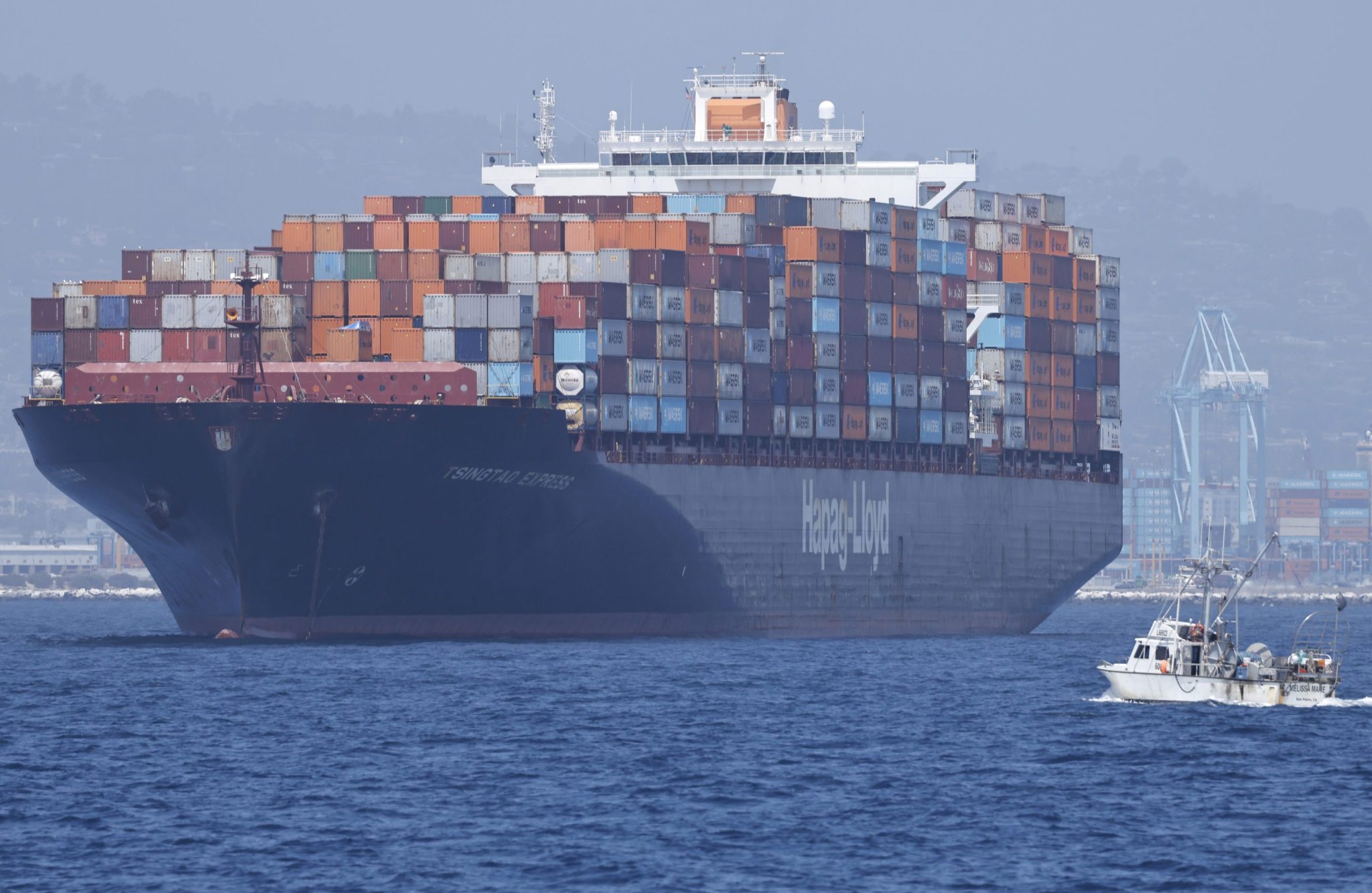
Trump Section 301 tariffs on 60 U.S. trading partners took effect Friday, opening a new front in the administration’s trade fight after earlier import taxes ran into legal trouble. The duties, set at 10% to 12.5%, are tied by the administration to unfair practices involving forced labor.
The legal basis matters because the new tariffs rely on Section 301 of the Trade Act of 1974, a statute viewed by trade analysts as more durable than the emergency-powers authority Trump previously used. The Supreme Court struck down Trump’s “Liberation Day” levies under the International Emergency Economic Powers Act, and temporary replacement tariffs expired as the new duties began.
Scott Lincicome, vice president of general economics at the Cato Institute, wrote in The Dispatch that the immediate economic hit may be limited because the new duties largely replace import taxes already in place. His warning is aimed at the precedent: if courts accept this use of Section 301, he said, future presidents could have a ready mechanism to target imports for many reasons.
What are Trump Section 301 tariffs?
Section 301 allows the U.S. government to investigate alleged unfair trade practices and respond with trade measures, including tariffs. Lincicome argues the Trump administration’s forced-labor case turns that tool into a much broader source of presidential tariff power if courts defer to the executive branch’s findings.
In his column, Lincicome said the administration’s explanation appeared to be built around a predetermined result, supported by thin evidence and tariff rates that he said were not aligned with the trade impact of forced labor. He also said the policy lacked a clear way for targeted countries to get the duties lifted.
“The forced labor action is a clear abuse of the law and a serious departure from past U.S. government practice—even under President Trump,” Lincicome wrote. He described the move as an attempt to restore Trump’s tariff wall while protecting it from another legal defeat like the one involving IEEPA.
Lincicome said courts may still allow the duties to stand if judges decline to second-guess the administration’s determinations. He also warned that Congress has shown little urgency to reverse the tariffs, even as public support for Trump’s trade measures has weakened.
If that happens, he wrote, Section 301 could become a way to impose tariffs on “any country, at any rate, and for any reason and duration,” provided an administration satisfies the law’s procedural steps. He said presidents could use the same structure for disputes involving carbon emissions, labor standards, artificial intelligence regulation or other issues.
More tariff investigations are pending
Oxford Economics said the overall U.S. tariff burden is still rising. Sara Godfrey, an associate U.S. economist at the firm, wrote Friday that the effective U.S. tariff rate is expected to increase to 9.2% from 8.6%, then reach 9.6% after new pharmaceutical tariffs take effect later this month.
The U.S. also has three Section 301 investigations underway, according to Oxford Economics: one involving 16 countries and excess capacity and manufacturing, one focused on Vietnam and intellectual property protection, and one involving Germany and alleged underpayment for pharmaceutical innovations.
Godfrey wrote that Section 301 tariffs can be layered and changed quickly once adopted, creating risk around Oxford Economics’ baseline tariff assumptions.
This story draws on original reporting from Fortune.