
Trump science overhaul would steer research funding toward scientists and AI
A White House report proposes fellowships, AI-backed discovery and new labs, with the Wall Street Journal putting the overhaul at $200 billion.
By Maya Lindqvist · Senior Technology Correspondent
3 min read
The Trump science overhaul laid out in a new White House report would shift federal research policy toward individual scientists, artificial intelligence tools and temporary labs outside universities. The plan matters because the Wall Street Journal calculated the broader changes could cost $200 billion.
The 123-page White House report, titled “Science: A New Golden Age,” was released Tuesday. Its authors argue that the modern research system has become too tied to institutions and paperwork, saying researchers spend half their working time on administrative tasks.
“Too much of our research enterprise has come to serve itself rather than the scientists within it,” the report says.
What is Trump's science overhaul?
The White House plan calls for federal support to follow selected scientists instead of being anchored mainly to universities. It also proposes “golden tickets,” which would let a single reviewer back an unconventional proposal that a committee might reject.
The report also backs “fast grants for agencies” and new government-chartered research groups called “X-labs.” According to the White House, those labs would be small organizations built around one hard scientific problem and would close after their work is done.
The administration also wants AI to play a central role. The report describes AI as a “new instrument of scientific discovery” that could help increase the “marginal returns to intelligence,” and the White House put $5 billion behind that idea after the report’s release, according to Fortune.
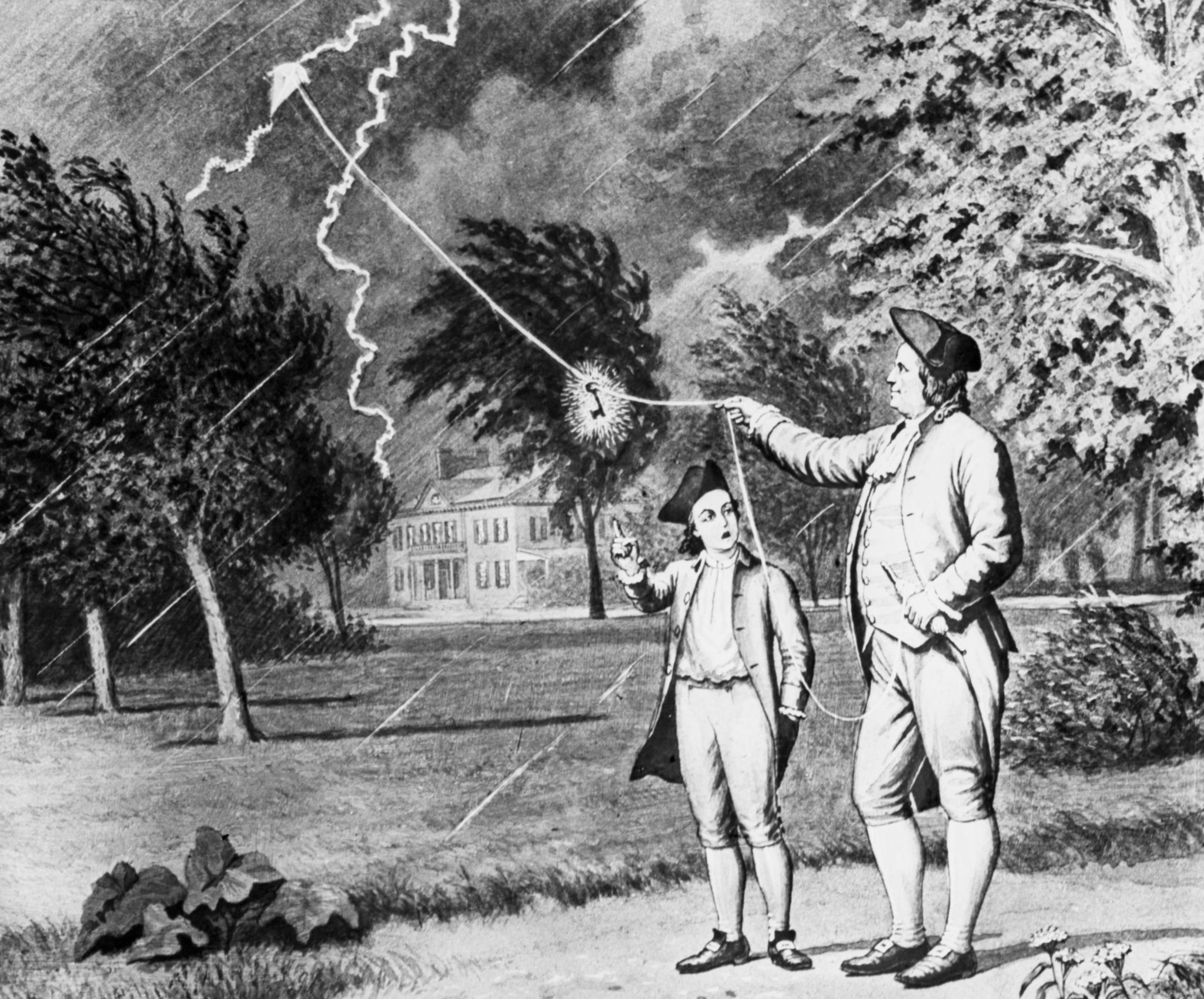
The report frames its proposals against the older image of the “gentleman scientist,” a term associated with wealthy independent researchers who worked outside today’s grant and university systems. Fortune cited figures such as Robert Boyle, Henry Cavendish and Charles Darwin as examples of researchers whose private wealth gave them the freedom to pursue long-running scientific questions.
How scientists and policy voices responded
Some researchers and science policy figures praised the report online for the range of ideas it contains. Alec Stapp, a cofounder of the Institute for Progress, said on X that he liked the proposed funding experiments but argued the report falls short on international scientists.
“Being the top destination for global science talent is America’s superpower,” Stapp wrote on X. He said that if scientists are leaving the United States after graduate school, policy should make it easier for them to remain in the country.
Other academics objected to the direction of the proposal. Steven Durlauf, an economist at the University of Chicago, wrote on X that the report moves support away from basic research toward applied work in a way that “misunderstands the scientific enterprise.” He also said the proposals weaken peer review “in favor of political control and oversight.”
Durlauf signed an open letter opposing what it calls the administration’s “assault on science.” According to the letter, more than 10,000 people have signed it, including two Nobel laureates.
“As scientists, we are committed to a discipline that is decentralized and self-scrutinizing,” the letter says. “Instead, this administration mandates a centralized system serving the political beliefs of the President and the whims of those in power.”
This story draws on original reporting from Fortune.