
Trump Iran strikes pause as Hormuz talks advance
Trump held off on new Iran strikes as Oman pursued a Strait of Hormuz deal, Axios reported, despite U.S. troop deaths and rising oil prices.
By Maya Lindqvist · Senior Technology Correspondent
3 min read
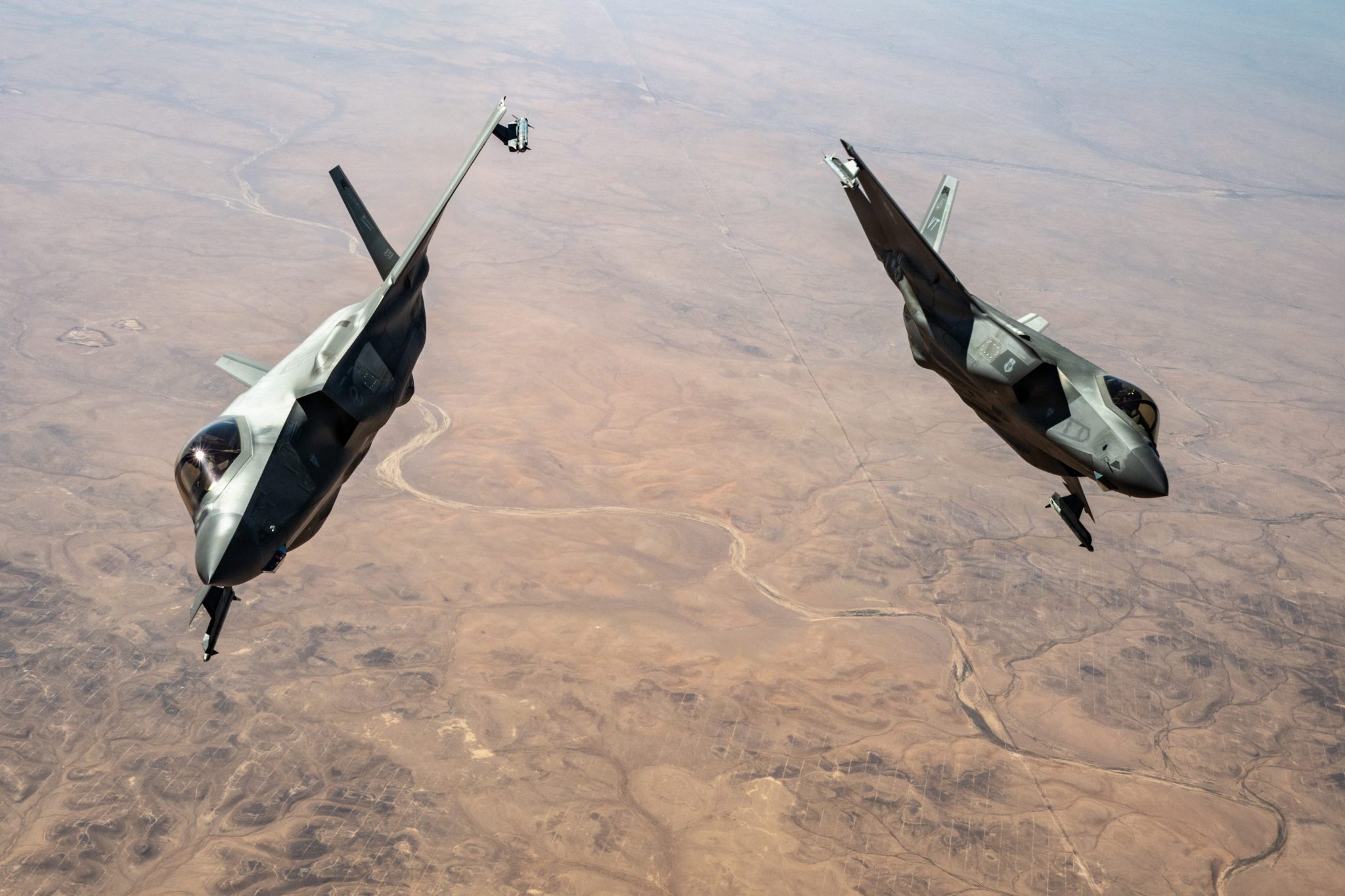
Trump Iran strikes paused Friday after the president declined to approve new military action against Iran, Axios reported, even after Tehran crossed his stated red line by killing U.S. troops in Jordan a week earlier. The pause matters because it came as talks sought to reopen the Strait of Hormuz, a key oil route whose disruption has pushed crude prices higher.
U.S. Central Command did not announce a fresh attack Friday, ending a nearly two-week run of daily strike announcements. Axios, citing sources, reported that President Donald Trump received military plans Thursday for strikes inside Iran but told commanders to wait rather than authorize them.
American forces are still getting ready in case large-scale combat resumes, Axios reported, but Trump has not ordered that step. The White House did not immediately respond to a request for comment.
Why did Trump pause Iran strikes?
Trump has publicly kept open several options: more limited strikes, a larger campaign, or a negotiated deal. Speaking to reporters Friday, he said he could keep attacking, escalate by “knocking out everything they have,” or seek what he called a “smarter strategy” through an agreement.
Trump said Iran wants negotiations, though he added that Tehran is not ready yet. “They want to make a deal. I just don’t think they’re ready yet, but they do want to make a deal. Sometimes they don’t want to say they want to make a deal. They want to be the tough guys,” Trump said, adding that both sides are talking.
The recent U.S. retaliation for the troop deaths remained narrower than the broader bombing campaign used earlier in the war. The pause also came despite Iranian attacks on commercial shipping in the Strait of Hormuz, including vessels using a route near Oman’s coast that falls under U.S. Central Command protection.
The Strait of Hormuz is a narrow waterway linking the Persian Gulf with the open sea, and it is one of the world’s most important oil transit routes. Disruption there can quickly affect global energy prices because large volumes of crude move through the channel.
Omani officials went to Tehran on Friday for talks on an arrangement to reopen Hormuz. Axios reported, citing sources, that those negotiations had advanced and that Oman and Iran could reach an agreement over the weekend.
The risk of a wider war has not disappeared. The Wall Street Journal reported that the U.S. sent more special operations forces, bombers, fighter jets and medics to the Middle East over the past week, giving Trump options if he chooses to expand the campaign.
The Journal also reported, citing sources, that Bahrain and Kuwait secretly used fighter jets to strike Iran, their first such attacks. Saudi Arabia and the United Arab Emirates had struck Iran earlier in the conflict, according to the report.
Fighting has spread beyond the Persian Gulf. Saudi Arabia is also battling Iran-backed Houthi rebels, who have threatened Saudi-linked shipping through the Bab el-Mandeb Strait, the passage connecting the Red Sea with the Gulf of Aden.
Houthis hit two Saudi oil tankers in the Red Sea this week, prompting Saudi Arabia to strike Hodeida, a Yemeni port city. Concerns over simultaneous shipping threats in the Red Sea, Persian Gulf and Black Sea have weighed on stocks and bonds while adding pressure to energy markets.
Oil market analyst Rory Johnston wrote on X Friday that Trump could choose to step away from the Iran war and leave others to deal with the fallout. He asked what level of market strain, including crude prices, pump prices or an equity selloff, would push Trump in that direction.
This story draws on original reporting from Fortune.